Europe's Moon Radio Relay Is Built and Tested, but Has No Ride
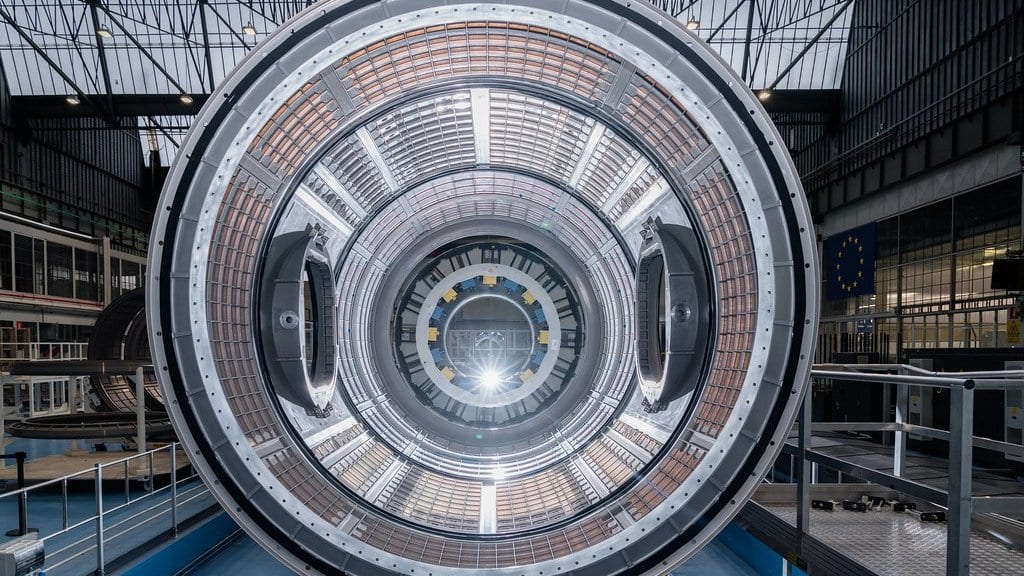
ESA says its Lunar Link radio relay for the Moon has completed its final major integration and test campaign at Thales Alenia Space in Cannes, France, and that the finished hardware will be put into controlled storage with no mission to fly on.
The relay was designed to carry radio links between spacecraft in lunar orbit and users on the Moon's surface, and was built for NASA's HALO habitation module on the Gateway station. ESA says NASA's decision to pause work on the Gateway removed that role, and that it is studying how Lunar Link could serve a future lunar mission.
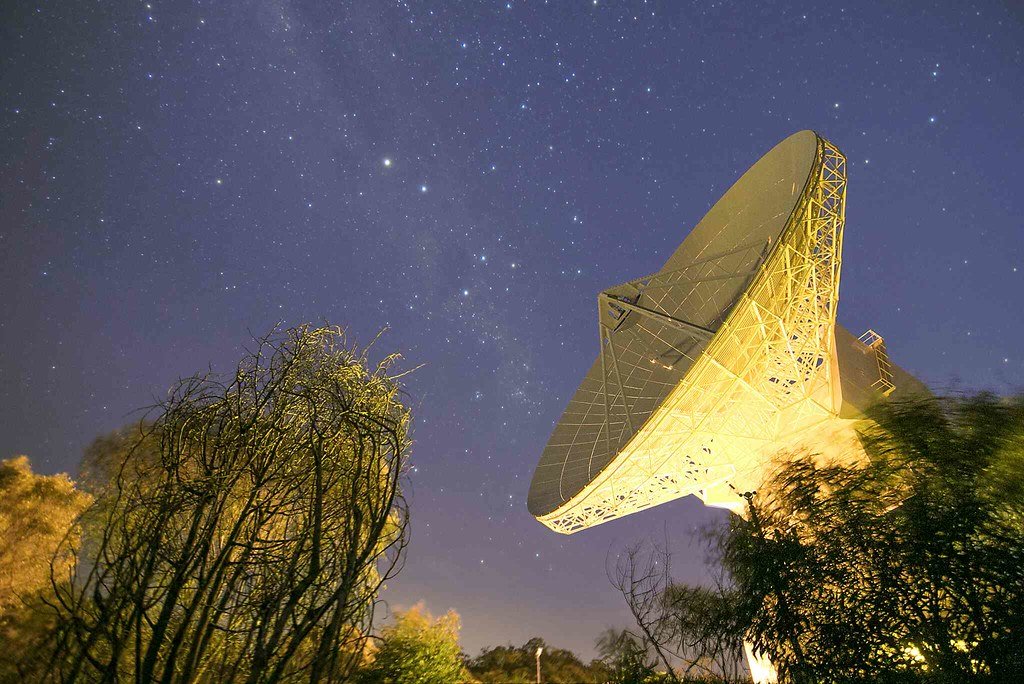
ESA's announcement says the complete system, with its electronics integrated, passed an environmental test campaign. Engineers then connected it to its two high-gain antennas, tested the full system together for the first time and ran a balloon-assisted deployment test of the antennas in the summer of 2026. A team from NASA's Johnson Space Center brought racks that simulated a user on the Moon and ran an end-to-end test of the link, including encryption. ESA says the test succeeded.
In September 2026, ESA and its prime contractor, Thales Alenia Space, began the formal review that signs the hardware off, and expect to finish it by the end of 2026. After that and a final software update, the flight hardware goes into controlled storage in flight-ready condition while its future is decided.
ESA invited bids in July 2026 for studies of how the relay could be reused. The agency says it will examine how Lunar Link could reach lunar orbit and operate as an independent relay, and will weigh spacecraft concepts, orbital options, development schedules and possible cooperation with ESA's Moonlight program.
Lunar Link began as part of ESA's ESPRIT program. ESA says that when plans for the Gateway changed in March 2026, the relay was three months from completion, and that ESA and European industry chose to finish the relay. It was built by teams at Thales Alenia Space in France, Belgium, Spain and Italy, MDA in the United Kingdom and SENER in Spain.