Depression Study Finds a Group Defined by the Body Clock
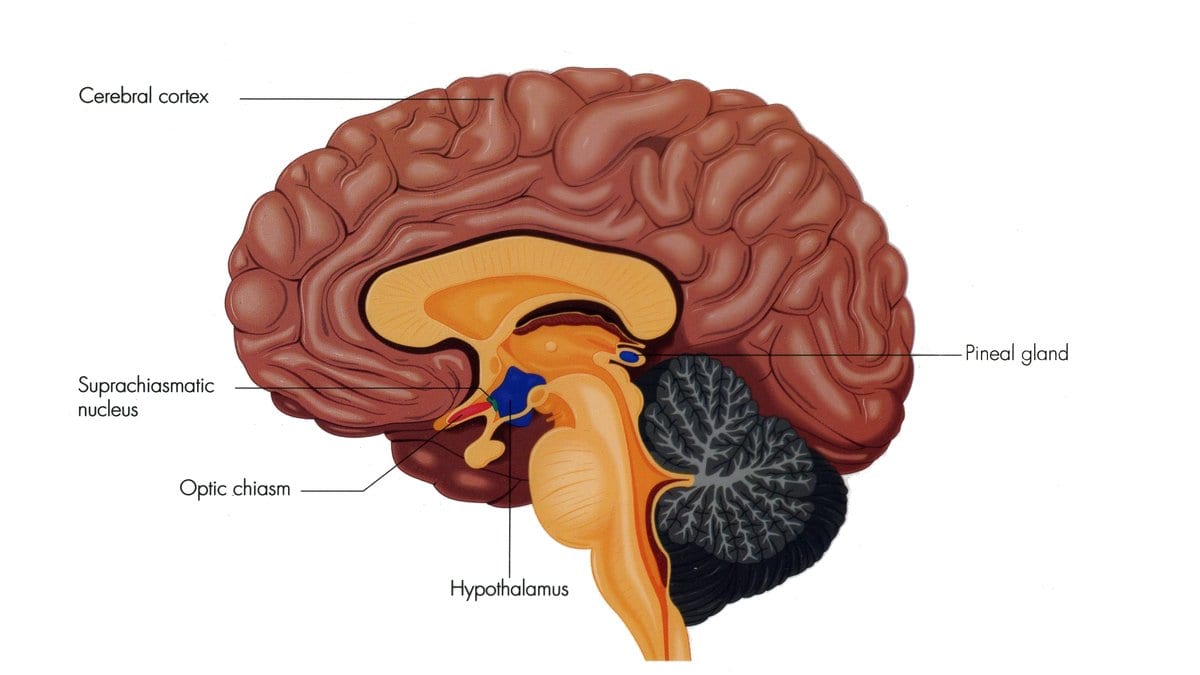
Researchers in Australia report that 2,604 participants in a national depression study, 23% of the sample, fit a body-clock profile: they described an earlier onset, more severe symptoms and a poorer response to two commonly prescribed classes of antidepressants. The paper appeared Oct. 20, 2026, in The British Journal of Psychiatry and is free to read.
The authors write that the depressive subtypes in common use rest on differences in symptoms, and that little progress has been made toward separate biological pathways, biomarkers or different treatments that could guide care. Their stated aim was to test the biological validity and clinical usefulness of a circadian subtype of depression, a group defined by body-clock traits.
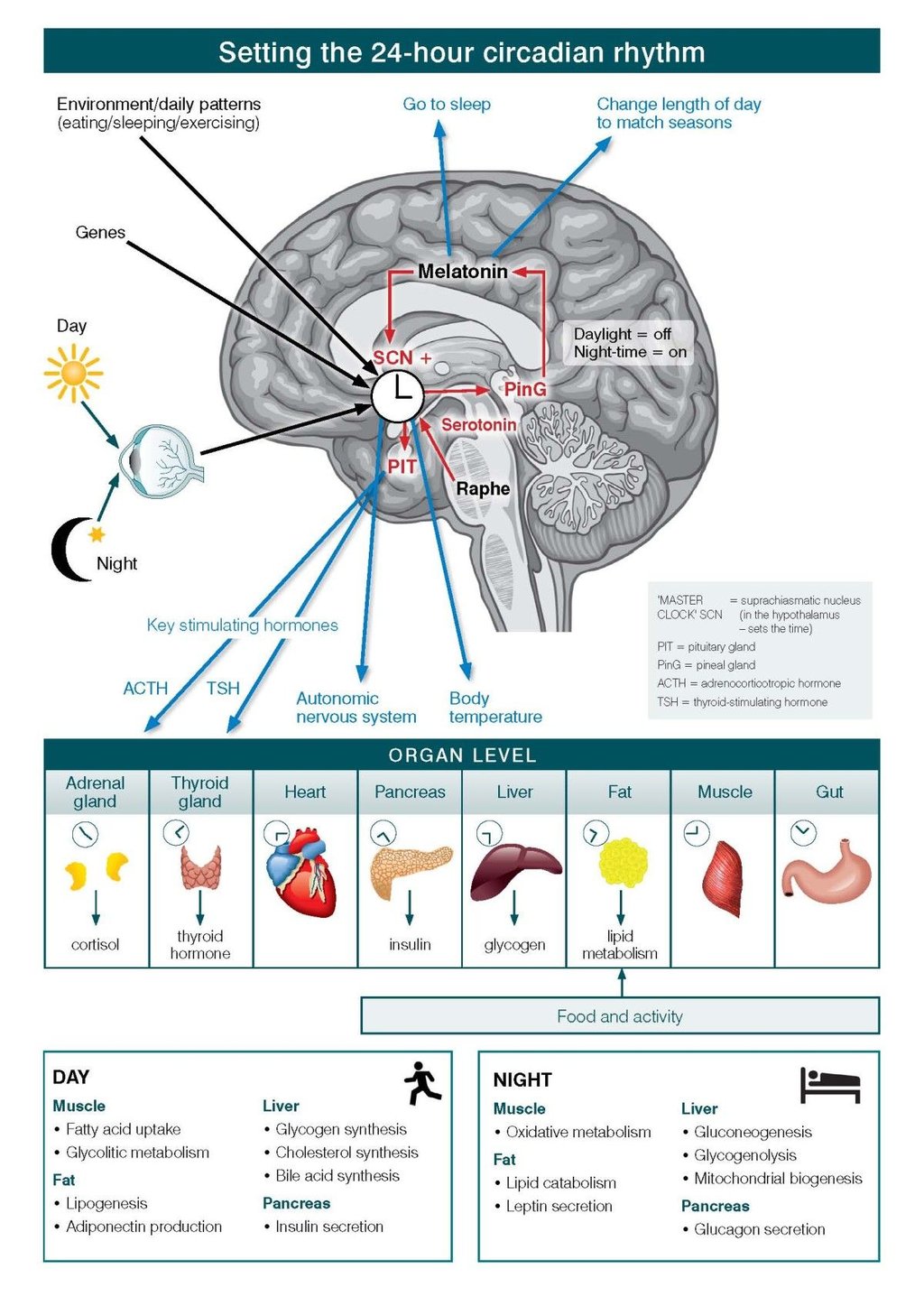
Participants in the Australian Genetics of Depression Study, a nationwide cohort, were placed in the circadian group if they met at least three of six yes-or-no features: social jetlag, the mismatch between a person's body clock and their daily schedule; seasonal variation in symptoms; a late midpoint of sleep; an evening body clock; morning tiredness; and sleeping too much. The group was 80% female. The data are a single snapshot of each participant, so the analysis cannot say whether the body-clock traits preceded the depression or followed it.
That group reported more severe features, including psychological distress, physical complaints and suicidality. It also reported weight gain during depressive episodes and more side effects from the two antidepressant classes, the SSRIs and SNRIs. No treatment was tested: the medication findings are the participants' own reports.
Genetic risk scores were higher in that group for attention-deficit hyperactivity disorder, major depression, anxiety and bipolar disorder. They were also higher for metabolic, inflammatory and sleep traits.
Emiliana Tonini, Ian B. Hickie and colleagues at the University of Sydney conclude that the findings support the subtype as a recognizable profile with potential clinical use. They write that work on its biology and its predictive value is warranted pending independent replication.
Sources
- The British Journal of PsychiatryPeer-reviewed

Medical Disclaimer: This content is provided for general informational and educational purposes only. It is not medical advice and should not be used as a substitute for professional medical advice, diagnosis, or treatment. Always consult a qualified healthcare professional regarding any medical condition, concern, symptom, or treatment decision.