A Pulse of Cold Water Crossed the Northeast Shelf, and the Squid Came Late
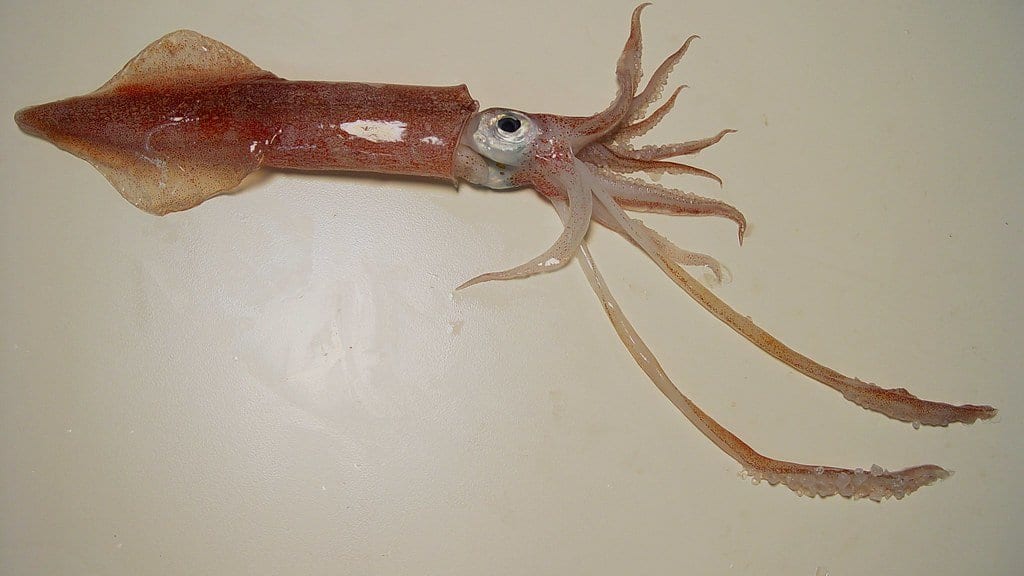
Researchers at the Woods Hole Oceanographic Institution, NOAA's Northeast Fisheries Science Center and two partner organizations have documented a pulse of cold, fresh water that spread across the continental shelf off the northeastern United States in 2023 and 2024, as the region's squid catch fell sharply.
Glen Gawarkiewicz of WHOI and his co-authors report in the Journal of Geophysical Research: Oceans that the unusual water conditions led to major changes to the shelf and slope ecosystem in 2024: significant decreases in shortfin and longfin squid landings, and the return of cold-water fish such as mackerel and herring. It was published Oct. 20, 2026.
The cold, fresh signal reached the Middle Atlantic Bight, the shelf south of Cape Cod, from the Scotian Shelf and Grand Banks region in summer 2023. By the spring of 2024, the whole shelf there was significantly fresher than normal, and the freshening had greatly eased by October 2024.
WHOI says surface temperatures across the slope and shelf ran 5 to 9 °F below the 20-year average, and that the analysis drew on 11 years of ocean profiles collected by working fishing vessels with the Commercial Fisheries Research Foundation.
Longfin squid usually appear in southern New England in May; in 2024 they came in August. Citing NOAA Fisheries' Commercial Fishing Landings database, WHOI says Northeast landings of longfin squid fell 25.6%, or 10 million pounds, from 2023 to 2024. The fishery's value fell by $6.5 million.
WHOI says the researchers believe the water came from the Labrador Sea and Grand Banks and moved south as ocean circulation and wind patterns shifted, with a southward shift in the Gulf Stream among the possible contributors. They can trace the water's path but cannot yet say how much each factor contributed.
"Understanding where that water came from, and why it moved south, is an important part of understanding what happened to the fisheries," Gawarkiewicz said.
The paper also reports that a substantial amount of fresh water was injected into the Gulf Stream, with possible effects downstream on the layering of the North Atlantic.
Sources
- Journal of Geophysical Research: OceansPeer-reviewed