Olive Oil Before Sugar Calmed the Blood Sugar Rise in Mice, Until One Hormone Was Missing
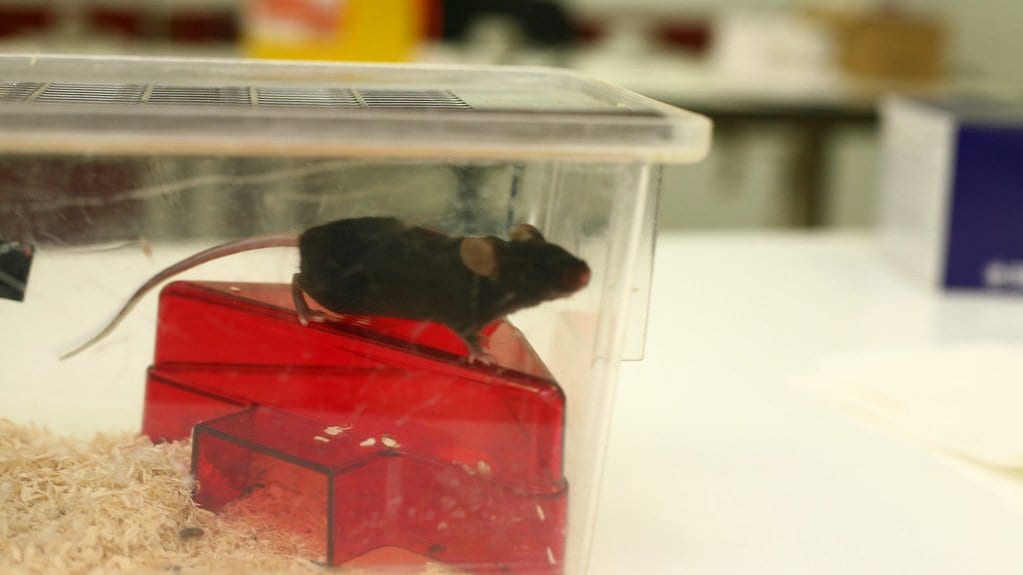
Researchers in Japan report that mice given olive oil before a dose of glucose emptied their stomachs more slowly and showed a smaller early rise in blood sugar than mice given the same oil after the glucose. In mice bred without glucagon, a pancreatic hormone, the effect disappeared altogether.
Eating fat before carbohydrate is already known to soften the blood sugar rise that follows, and the authors write that the reason has stayed unclear. Their account is that the order of a meal works through hormone and nerve signals that together set how fast the stomach empties. The paper, published Oct. 8, 2026, in Diabetes, the American Diabetes Association's research journal, says the finding supports evaluating meal order in humans. That has not been tested. Every experiment here was in mice.
Healthy mice got the oil either before or after an oral dose of glucose, with water as the control. Yanyan Liu, Daisuke Yabe and colleagues at Gifu University Graduate School of Medicine report that the oil-first animals had a lower early glucose rise and slower stomach emptying, along with more glucagon, GIP and GLP-1 in the blood, three hormones the gut and pancreas release around a meal.
The team then tested which signal the effect needed. Mice bred without the receptor for GLP-1 kept most of it, and so did mice whose glucagon or GLP-1 receptors were blocked one at a time. Blocking both receptors at once weakened the blood-sugar-lowering effect and wiped out any measurable slowing of the stomach, which the authors read as two partly overlapping signals doing the same work.
Tying off the vagus nerve below the diaphragm, the nerve that carries signals between the gut and the brain, also weakened the effect, even though hormone release was preserved or higher. The authors take that as a sign that nerve signaling contributes too.
The same pattern appeared in two sets of diabetic mice, one made diabetic with a drug and one from a diabetes-prone strain.
Sources
- DiabetesPeer-reviewed

Medical Disclaimer: This content is provided for general informational and educational purposes only. It is not medical advice and should not be used as a substitute for professional medical advice, diagnosis, or treatment. Always consult a qualified healthcare professional regarding any medical condition, concern, symptom, or treatment decision.