A Federal Lab Tested 4,563 Fentanyl Samples to See What Else Is in Them
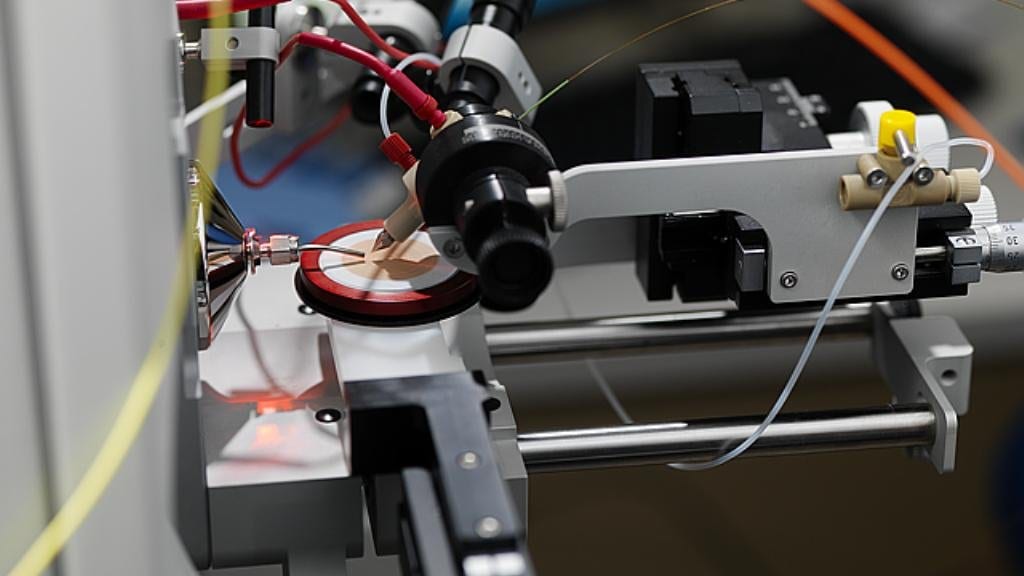
The National Institute of Standards and Technology reported Oct. 8, 2026, that the number of substances mixed into illicit fentanyl in the United States is rising, and that what gets added differs between the eastern and western halves of the country. NIST chemists analyzed 4,563 samples of drug residue collected nationwide from January 2024 to June 2026.
The agency says the point of the measurements is to tell public health officials and first responders which additives have reached their area. Most of the compounds are not opioids and therefore call for medical treatment beyond what fentanyl itself requires; one of them, the veterinary anesthetic xylazine, causes limb wounds that can require amputation if untreated.
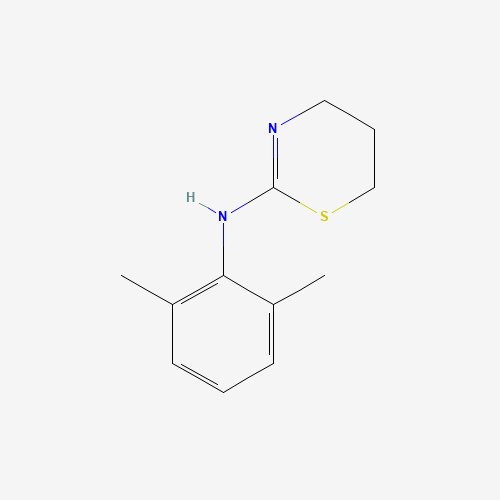
NIST reported that a sample typically carried one or two additives in early 2024 and that six or more are now more common. Xylazine is far more common on the East Coast than in the West and is being displaced there by medetomidine, a stronger sedative that can cause severe withdrawal symptoms. BTMPS, an industrial chemical used in making plastics, has shown up in samples from both halves of the country since the summer of 2024. Western samples carry fewer additives but at higher concentrations.
The work was published online Oct. 7, 2026, in the journal Drug Testing and Analysis, by NIST chemist Edward Sisco and colleagues. It is part of the agency's Rapid Drug Analysis and Research program, which collects samples through public health, law enforcement and medical examiner offices. The method identifies trace compounds in a sample within seconds.
Sisco said the team is now trying to model how additives move from one region to another. "Our goal is that if some new additive pops up, say in Philadelphia, we'll be able to tell public health officials when that additive is likely to show up in Delaware, Maryland or the West Coast." NIST said similar surveys are planned for additives in ketamine and in a newer class of opioids called orphines.
Sources
- www.nist.gov
- Drug Testing and AnalysisPeer-reviewed

Medical Disclaimer: This content is provided for general informational and educational purposes only. It is not medical advice and should not be used as a substitute for professional medical advice, diagnosis, or treatment. Always consult a qualified healthcare professional regarding any medical condition, concern, symptom, or treatment decision.