Wolbachia Mosquitoes Cut Dengue, Zika and Chikungunya in a Belo Horizonte Trial
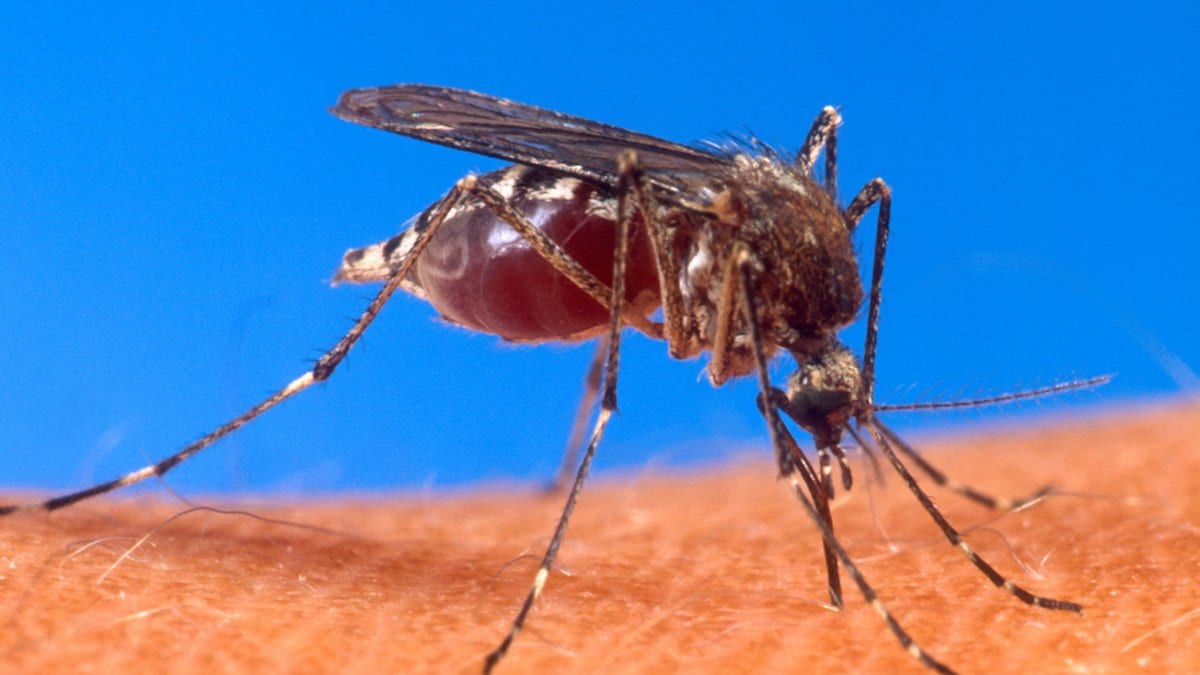
Mosquitoes carrying the bacterium Wolbachia were released across half the school neighborhoods of Belo Horizonte, Brazil, and children in those areas had 68.6% fewer dengue, Zika and chikungunya infections than children in the other half. The EVITA dengue trial team reported the result Nov. 21, 2026, at the American Society of Tropical Medicine & Hygiene annual meeting. The findings have not been published; the team's announcement says they will be submitted for peer review.
That announcement, a release from Emory Health Sciences, describes the trial as a test of whether putting the mosquitoes into school catchment areas would lower infections among children living there. Wolbachia is a naturally occurring bacterium, and in Aedes aegypti, the mosquito that spreads all three viruses, it sharply cuts the insect's ability to pass them on.
The city was divided into 58 school-defined clusters, half assigned to receive the mosquito releases on top of standard control measures and half to those measures alone. The trial enrolled 5,757 schoolchildren ages six to 11 and drew a blood sample from each at the start and once a year through 2024. The samples were tested for antibodies — the counted outcome is an infection, not a diagnosed case of illness.
By disease, co-principal investigator Sri Edupuganti of Emory University School of Medicine put the reduction at 68.5% for dengue and 73.3% for chikungunya. The last year of follow-up coincided with the largest recorded dengue outbreak in Brazil's history, according to the release.
Luciano Moreira of Fiocruz and the World Mosquito Program said the locally adapted strain stayed established in the mosquito population for over three years. The trial team describes the findings as evidence that the method could become a powerful new tool against dengue and other mosquito-borne diseases.
The Federal University of Minas Gerais, Fiocruz, the World Mosquito Program and the Faculdade de Medicina de São José do Rio Preto led the work, with Emory, Yale, Johns Hopkins and the University of Florida taking part in the United States. The US National Institutes of Health and Brazil's Ministry of Health funded the trial.
Sources

Medical Disclaimer: This content is provided for general informational and educational purposes only. It is not medical advice and should not be used as a substitute for professional medical advice, diagnosis, or treatment. Always consult a qualified healthcare professional regarding any medical condition, concern, symptom, or treatment decision.