In Mice, Alcohol Cut the Effect of a Cancer Immunotherapy by About Half
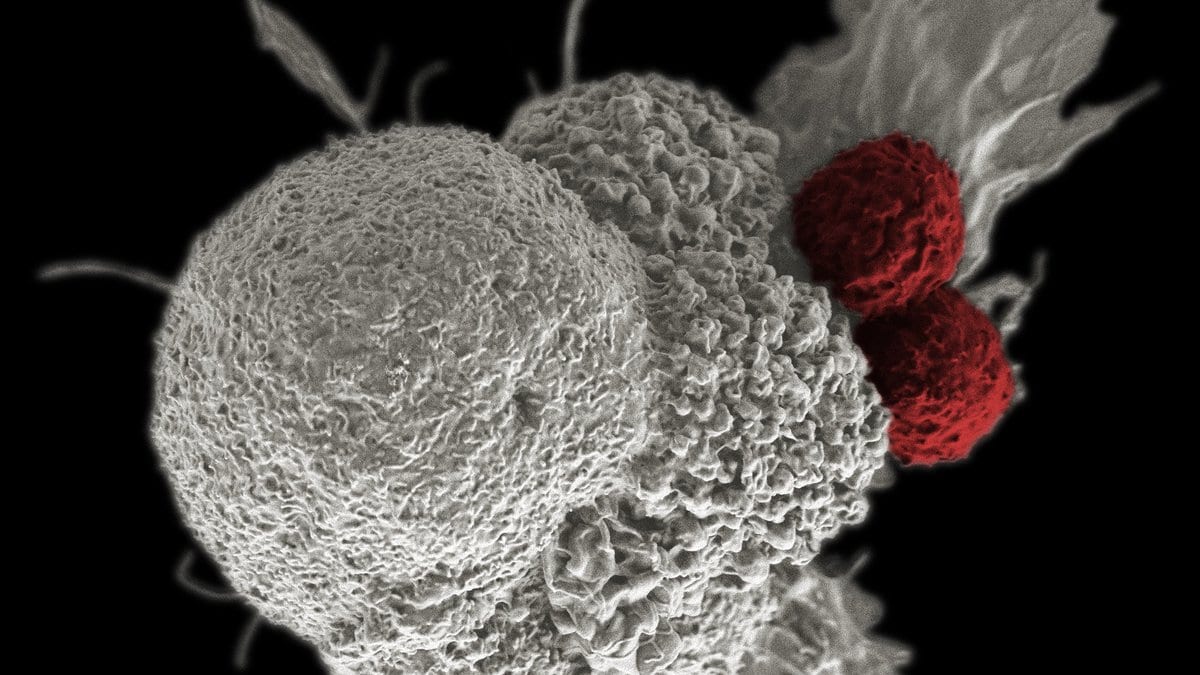
A regimen of moderate-to-heavy alcohol intake reduced the efficacy of immune checkpoint therapy by about 50% and increased tumor recurrence in mouse models of lung and bladder cancer, researchers at the University of North Carolina at Chapel Hill report. In a retrospective look at the records of patients treated with the same class of drug, regular alcohol use was associated with less survival benefit among those with lung cancer.
Checkpoint inhibitors take a brake off immune cells so they can attack a tumor, and only a minority of the patients given them respond completely. Alcohol use is common and weakens the adaptive immune system, and the authors say they set out to test whether the two are connected and whether the loss can be offset.
Kristen N. Gilley, Leon G. Coleman Jr. and colleagues at the Bowles Center for Alcohol Studies in Chapel Hill published the work Nov. 17, 2026, in Science Signaling. They report that in mice carrying MB49 bladder tumors, ethanol cut the number of T cells that reached the tumor and raised the share of those T cells carrying TIGIT, a second checkpoint receptor that works as another such brake. Antibodies against TIGIT improved the response to PD-1 blockade. Blocking a lipid-signaling pathway that the alcohol had switched on, with a compound called betulin, helped less.
The patient half of the work is a retrospective assessment, and the authors call the effects less definitive in people with bladder cancer, melanoma, and head and neck cancer, in whom alcohol use was recorded too rarely to assess. They write that the findings suggest regular drinking works against checkpoint therapy, and that cotargeting TIGIT may counteract it. Adding patients' alcohol use to cancer databases, they add, would let researchers measure its effect on different treatments.
The work was funded by the National Institutes of Health, the Lung Cancer Research Foundation, Free To Breathe and the North Carolina Biotechnology Center, among others, per the paper's funding record.
Sources
- Science SignalingPeer-reviewed

Medical Disclaimer: This content is provided for general informational and educational purposes only. It is not medical advice and should not be used as a substitute for professional medical advice, diagnosis, or treatment. Always consult a qualified healthcare professional regarding any medical condition, concern, symptom, or treatment decision.