A Widely Sold Supplement Did Not Slow Parkinson Disease, Trial Finds

Nicotinamide riboside, a supplement sold over the counter to raise the body's levels of a cell chemical called NAD, did not slow early Parkinson disease in a year-long trial published on Oct. 8, 2026, in JAMA. The patients who took it ended the year scoring slightly worse on the trial's main symptom scale than the patients given a placebo.
The authors write that the supplement had been proposed as a disease-modifying treatment for Parkinson disease, one that would slow the illness itself rather than ease the symptoms, on the strength of laboratory work and small early studies. The trial was built to test that directly. Parkinson disease damages the brain's movement-control circuits, and tremor, stiffness and slowed movement build up over years.
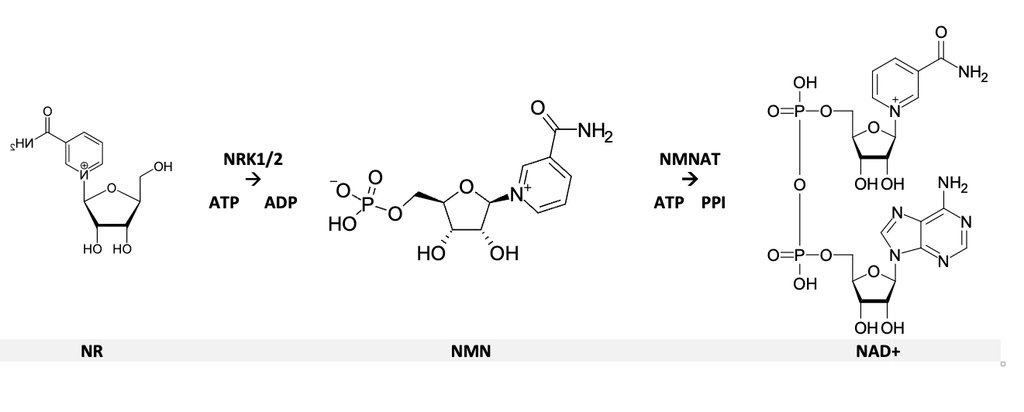
Brage Brakedal and Charalampos Tzoulis of Haukeland University Hospital in Bergen, Norway, led the trial. It randomized 410 patients with Parkinson disease diagnosed within the previous two years, and 393 of them entered the main analysis. Participants took either 500 mg of nicotinamide riboside twice a day or a matching placebo for 52 weeks. Scores on the trial's main measure, a standard rating of Parkinson symptoms on which a higher number means more severe disease, rose in the supplement group and fell slightly in the placebo group. The adjusted difference was 2.72 points, favoring placebo, against the 5.2 points the trial had set in advance as the smallest worsening that would matter to a patient.
The other outcomes the team had specified in advance showed no difference between the groups, with one exception: a measure of symptoms other than movement worsened more in the supplement group. The authors conclude that their findings do not support nicotinamide riboside as a disease-modifying treatment for Parkinson disease.
Serious health problems during the trial were no more common among the patients taking nicotinamide riboside than among those on placebo.
Sources

Medical Disclaimer: This content is provided for general informational and educational purposes only. It is not medical advice and should not be used as a substitute for professional medical advice, diagnosis, or treatment. Always consult a qualified healthcare professional regarding any medical condition, concern, symptom, or treatment decision.