Dozens of Liver Tests Were Compared Against Biopsy, and One Blood Panel Scored Highest
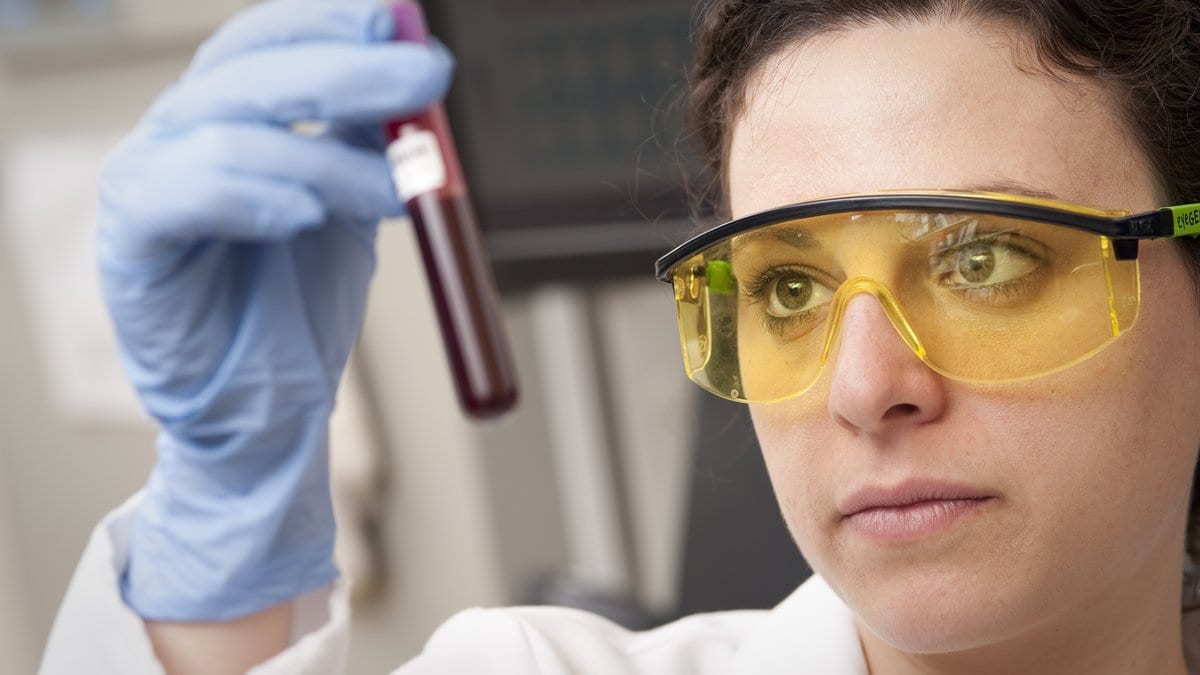
An international research consortium has compared blood tests and scans for fatty liver disease directly against liver biopsy in 1,590 patients, and reports that one blood protein panel and several two-step testing sequences cleared an accuracy bar it had set in advance.
The investigators say the arrival of approved drugs for the disease has created a need for accurate tests that do not require a biopsy and that can catch the disease early, help choose a treatment and enroll patients in clinical trials. Their comparison was published Oct. 31, 2026, in The Lancet.
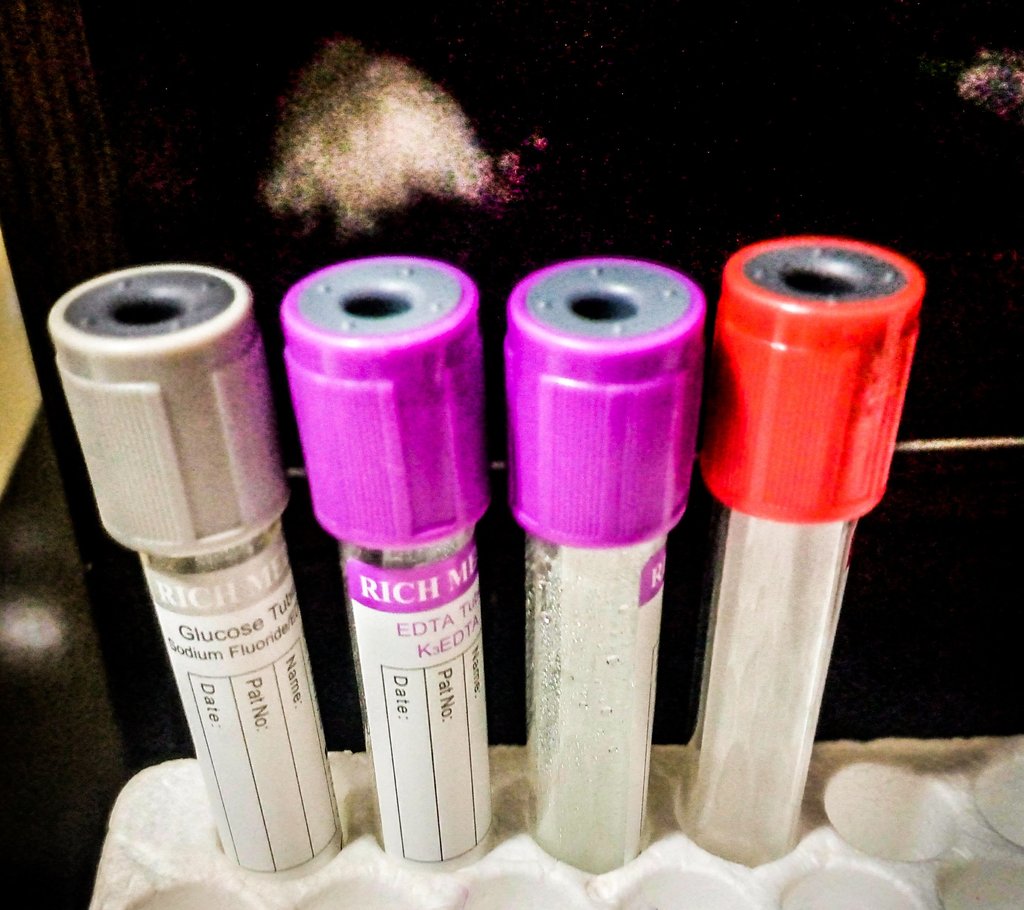
The study, run by the LITMUS consortium, recruited adults with biopsy-confirmed fatty liver disease, formally called metabolic dysfunction-associated steatotic liver disease, or MASLD, across 13 countries in Europe and the United States. The team measured 12 single markers and 18 multimarker panels against centrally scored liver tissue, and set its pass mark at an accuracy score above 0.80 on the area-under-the-curve scale, the level at which it judged a test might stand in for biopsy.
For at-risk MASH, the study's term for liver inflammation together with significant scarring, SomaSignal, a panel that measures blood proteins, scored highest at 0.83 and significantly exceeded that pass mark. No test cleared the mark for inflammation alone. SomaSignal also scored highest for advanced scarring, at 0.92. Sequences that start with gamma-glutamyl transferase, a liver enzyme already measured in routine blood work, and then apply a second test met the pass mark for both at-risk MASH and advanced scarring.
The authors' own appraisal is that single markers gave variable and limited performance against liver tissue for finding at-risk MASH, that multimarker panels showed great potential, and that the findings could support the choice of noninvasive testing strategies and inform future clinical guidelines.
Several of the tests in the comparison are commercial products, and the paper's declaration of interests records consulting fees, research grants and company stock held by many of its authors. The Innovative Medicines Initiative 2 Joint Undertaking funded the study.
Sources
- The LancetPeer-reviewed

Medical Disclaimer: This content is provided for general informational and educational purposes only. It is not medical advice and should not be used as a substitute for professional medical advice, diagnosis, or treatment. Always consult a qualified healthcare professional regarding any medical condition, concern, symptom, or treatment decision.