Nearly Half the Species Growing in Madeira's Marinas Came From Somewhere Else
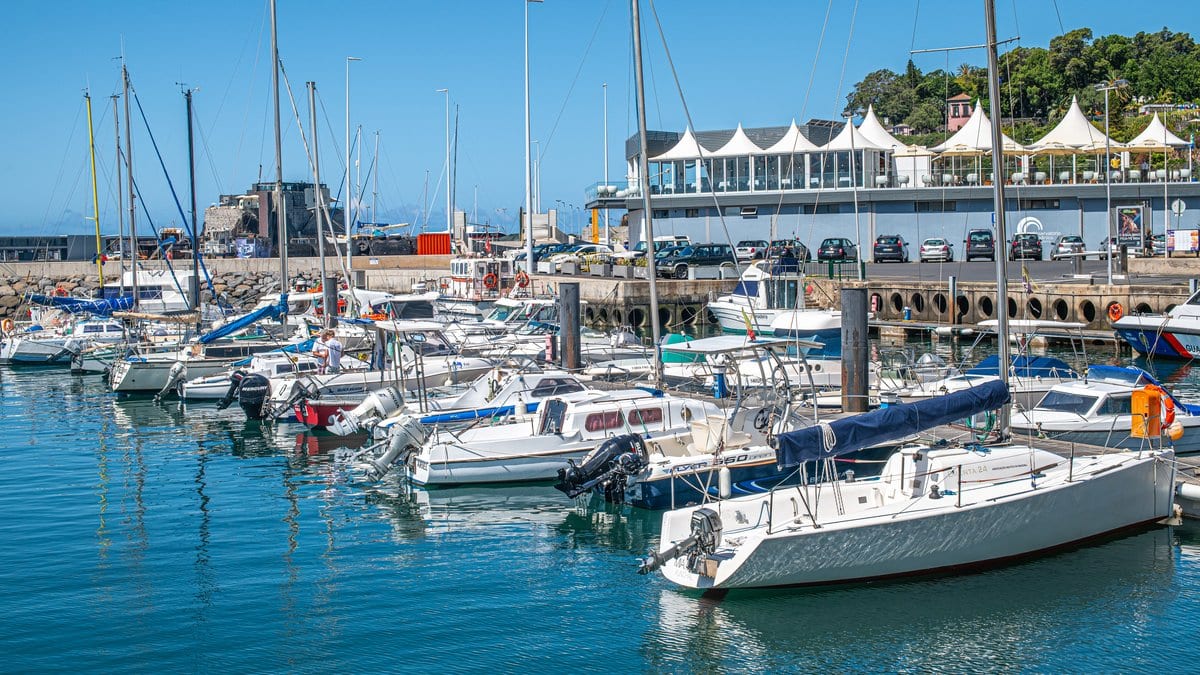
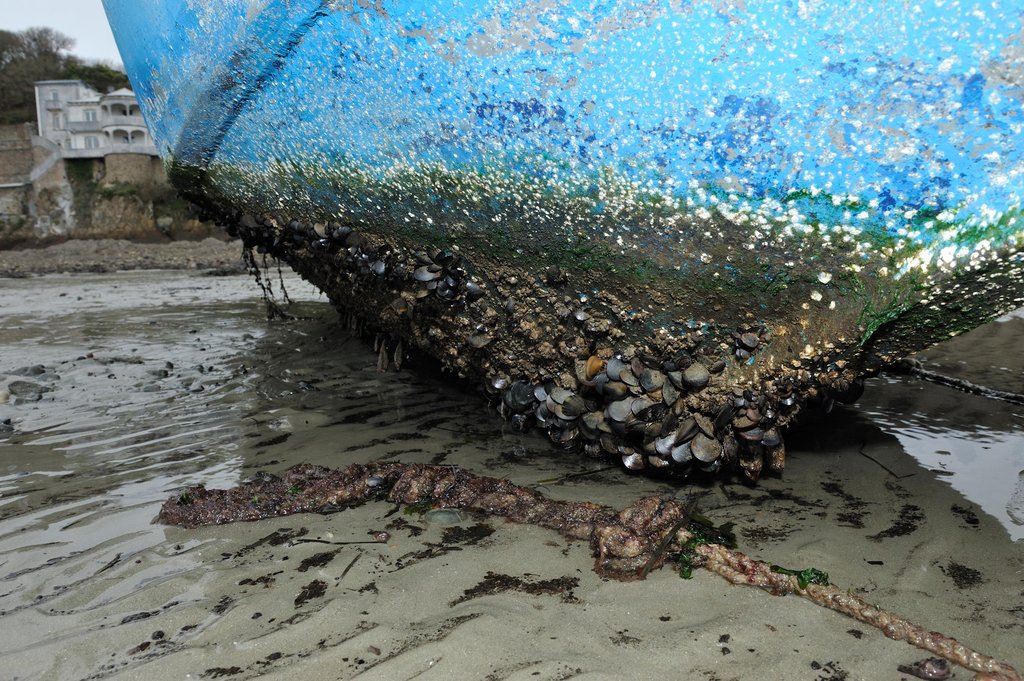
Non-indigenous species made up 45% to 48% of the fouling life recorded at four marinas in Portugal's Madeira Archipelago across 11 years of surveys, researchers report in a study published Nov. 2, 2026, in Scientific Reports. Fouling is the crust of sea squirts, mussels, worms and other growth that forms on submerged harbor structures.
Records this long are scarce, especially on islands, and that the gap is what the work addresses: without years of repeated sampling, one sighting of a newcomer cannot be told apart from a population that has arrived, bred and stayed.
In the Scientific Reports paper, Patrício Ramalhosa of the Marine and Environmental Sciences Centre in Funchal, Madeira, and colleagues describe sampling between 2013 and 2025 at marinas in Calheta, Funchal, Caniçal and Porto Santo, using settlement plates hung on the marinas' own structures. Of the 71 fouling species recorded in all, the non-indigenous ones built up steadily to between 27 and 30 at each marina.
Marina identity, not water temperature, was the strongest influence separating the four communities; temperatures across the sites varied little.
Two seasonal patterns pulled apart, the authors report. The average number of species found per sampling event was highest in the warmer months, while the turnover of species from one year to the next was highest in the cooler ones. They attribute the warm-season peak to spells that set off breeding pulses in fast-growing newcomers, which then take up the available space.
On the authors' reading, that makes the marinas persistent entry points, where arrivals settle, breed and hold on rather than being glimpsed once and gone, and they argue that monitoring spread across years and seasons is what early detection and marine biosecurity on islands require. They describe the shift in the four communities as a major transformation.
The paper is open access. Voucher specimens from the surveys were processed at the Natural History Museum of Funchal, and the work is listed as a contribution from the Smithsonian's MarineGEO and Tennenbaum Marine Observatories Network.
Sources
- Scientific ReportsPeer-reviewed