Bird Flu Turns up Again in a Wild Cat in South Korea
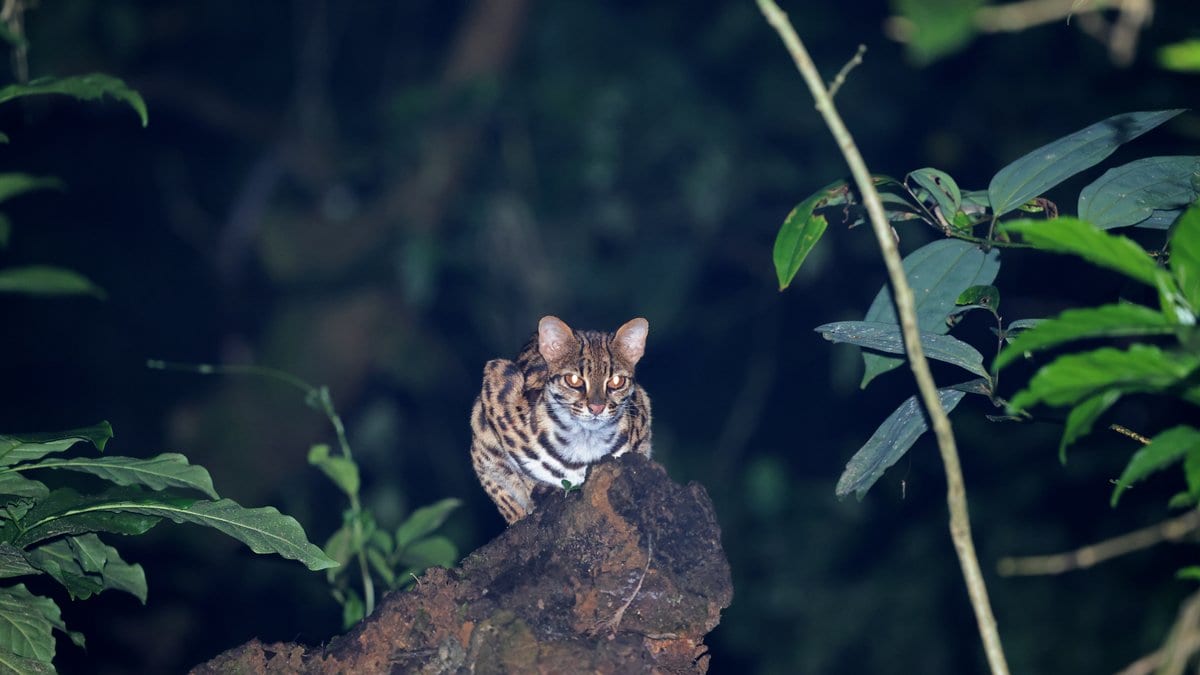
South Korea has detected highly pathogenic H5N1 bird flu in a wild leopard cat, the Ministry of Agriculture, Food and Rural Affairs and the Ministry of Climate, Energy and Environment said. The animal was found dead near Ganwol Lake in Buseok-myeon, Seosan, on Oct. 23, 2026, after a visitor reported it, and the National Institute of Wildlife Disease Control and Prevention confirmed the virus on Nov. 2, 2026.
The two ministries said in their join
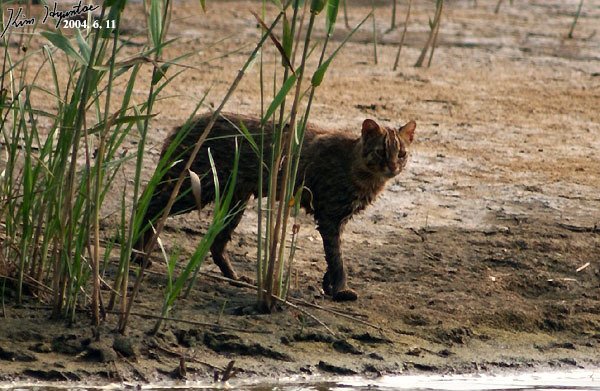
t release that this is the second time the virus has turned up in a wild mammal in the country, after a leopard cat at Hwasun in March 2025, and the first case this winter. The climate ministry said it is responding under a standard procedure, written after the Hwasun case, that exists to reduce the risk of infection passing between wild animals, poultry and people.
The climate ministry said teams are searching for other dead wild mammals within 10 kilometers of the detection site and examining the area, and that it has asked Seosan and other local governments for emergency disinfection and access control. The agriculture ministry said poultry farms inside the same zone face extra surveillance and testing, and that farms and vehicles are to be disinfected. Its quarantine policy director said the risk of the virus reaching poultry farms is now very high.
The ministries said the country's disease control agency and local governments are monitoring the person who found the leopard cat, along with rescue-center staff and other responders who handled it, over the virus's 10-day incubation period. No suspected cases have turned up so far.
The climate ministry said genome analysis to establish the virus's characteristics and origin is still to be done, along with testing of other wildlife near the site for infection.
The ministries said 245 wild-mammal samples were tested for bird flu between January and October 2026, from rescue centers, residents' reports and surveys of major migratory bird sites. The leopard cat, which the release says eats mainly rodents and birds, is listed as a Class II endangered species.
Sources

Medical Disclaimer: This content is provided for general informational and educational purposes only. It is not medical advice and should not be used as a substitute for professional medical advice, diagnosis, or treatment. Always consult a qualified healthcare professional regarding any medical condition, concern, symptom, or treatment decision.