FDA Approves a DNA Therapy for Patients Who Face Surgery After Surgery

The U.S. Food and Drug Administration granted accelerated approval on Oct. 30, 2026, to Voceryq, a treatment for adults with recurrent respiratory papillomatosis, a rare disease in which wart-like growths caused by human papillomavirus keep forming in the airway. The agency describes it as the first plasmid DNA-based immunotherapy approved in the United States.
The therapy is meant to act on the cause rather than the growths. Surgery removes them but does not cure the disease: the virus stays in the tissue, so patients often need repeated operations over many years, and in some cases it can turn cancerous. "For patients, that could mean fewer surgeries, fewer disruptions, and more time living their lives on their own terms," said Karim Mikhail, director of the agency's Center for Biologics Evaluation and Research.
According to the agency's announcement, the approval rests on a single open-label trial in 32 adults, all of whom had undergone at least two operations to remove growths in the previous year. Of the 26 patients with at least three earlier operations, seven needed no surgery at all during the first year after treatment.
That is an intermediate measure the FDA judges reasonably likely to predict clinical benefit, the basis the accelerated pathway allows for serious conditions. So the approval carries a condition: the manufacturer must run post-approval trials to verify and describe the therapy's benefit.
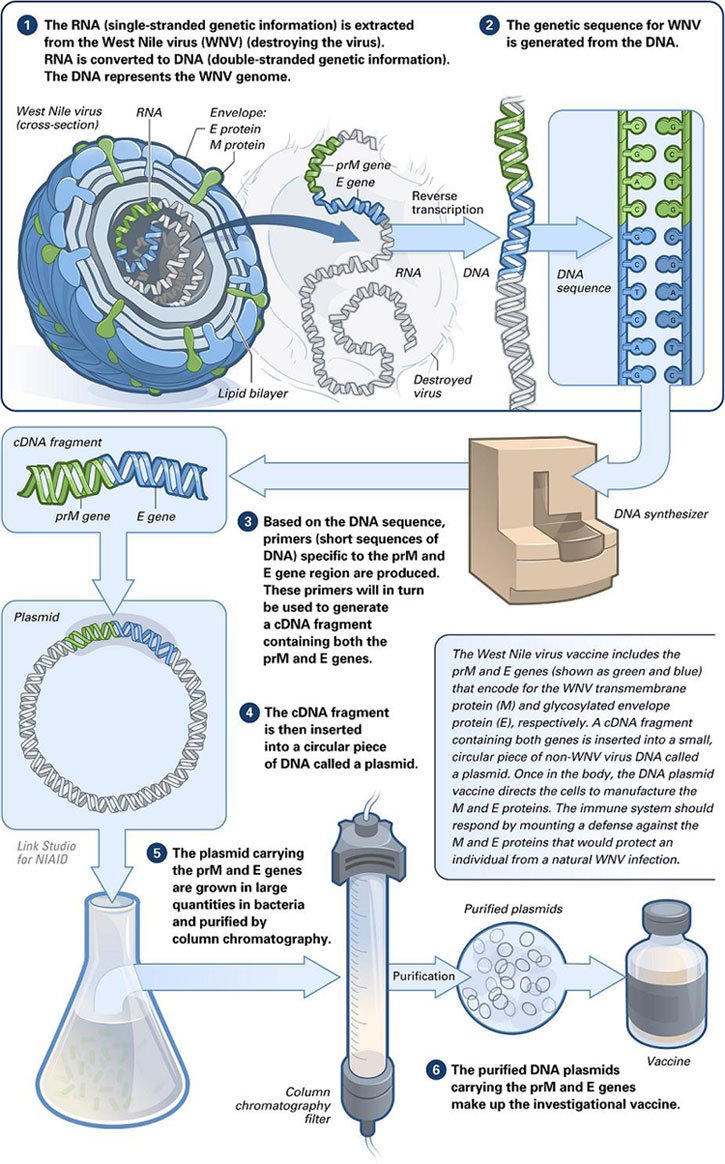
Voceryq delivers two plasmids, small pieces of DNA originally derived from bacteria, into the body's cells. One carries the genetic instructions for HPV proteins, the other for a molecule that strengthens the immune response, and together they are designed to make the immune system attack cells infected with the HPV types behind the disease, 6 and 11. It is injected into muscle with a device that applies short electrical pulses to open temporary pores in cell membranes, letting the DNA in.
The most commonly reported side effects were injection site reactions, headache, fatigue, high blood pressure, nausea and dizziness. The FDA granted the approval to Inovio Pharmaceuticals and said it gave Voceryq Breakthrough and Orphan Drug designations.
Sources
Medical Disclaimer: This content is provided for general informational and educational purposes only. It is not medical advice and should not be used as a substitute for professional medical advice, diagnosis, or treatment. Always consult a qualified healthcare professional regarding any medical condition, concern, symptom, or treatment decision.