Big Dogs Age Faster, and It Shows in Their DNA

Larger dogs and male dogs, both of them shorter-lived, also age faster by a chemical measure read off their DNA. Researchers at Arizona State University, working with the Dog Aging Project, report the result from 894 dogs in a paper published Oct. 8, 2026, in Science.
The paper presents the dog as a natural experiment for a question that is hard to test in any other animal: whether the intrinsic pace of biological aging shapes how long an animal lives. Lifespan varies widely between breeds of a single species, and the larger breeds are the shorter-lived.
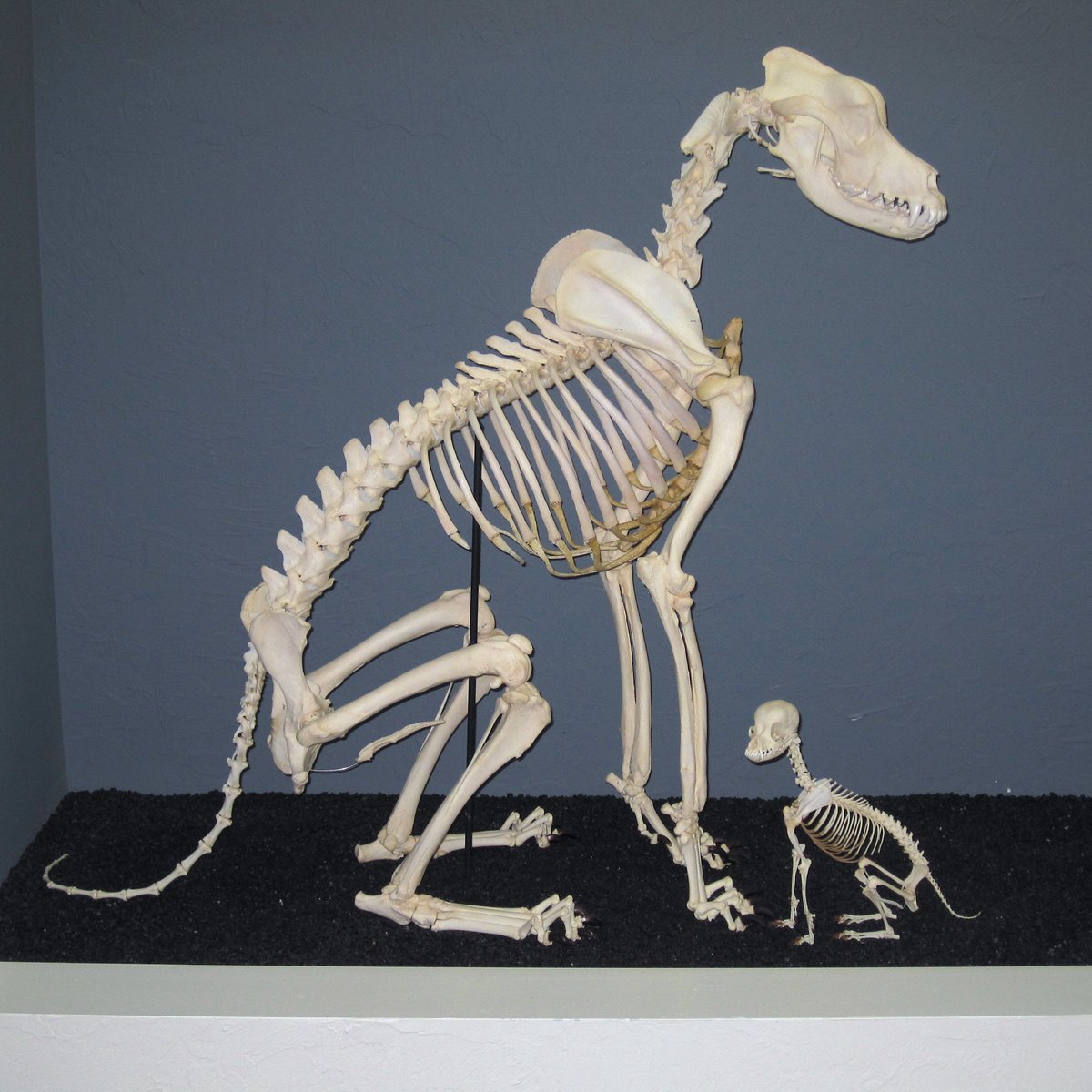
Blaise Mariner, Noah Snyder-Mackler and colleagues built what the field calls an epigenetic clock, a model that estimates an animal's age from chemical tags sitting on its DNA. It was assembled from 1,640 methylomes, which are maps of those tags across the genome. The clock predicted mortality, and the fastest epigenetic aging came early in life.
Size and sex did not act through the same route. The changes tied to sex were concentrated on the X chromosome, while those tied to body size were most pronounced at transposable elements, stretches of DNA that copy themselves into new positions in the genome. The paper identifies those elements as potential mediators of the size effect rather than a demonstrated cause of it.
One finding points outside the species. At the dog versions of genes already known to change with age in people, age moved the chemical tags in the same direction, a pattern the authors link to immune pathways that age in similar ways in both species.
Sources
- SciencePeer-reviewed