Converted Coastal Wetlands Stop Storing Carbon and Start Releasing It
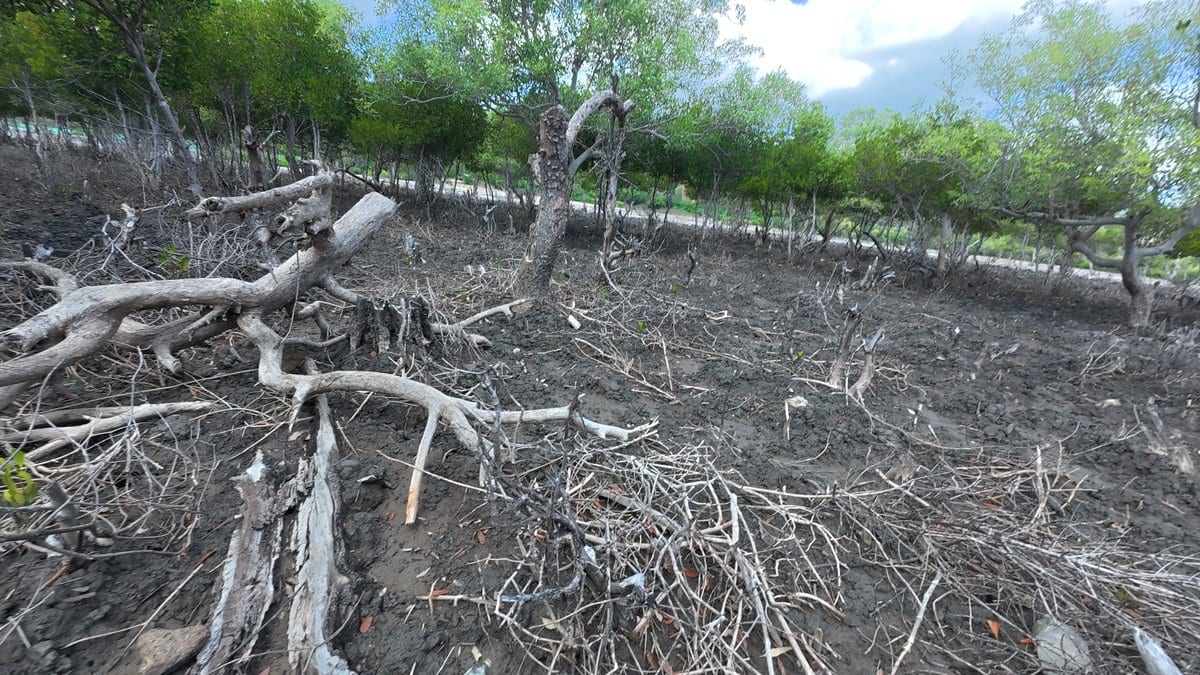
Coastal wetlands absorb greenhouse gases on average and release them once they have been converted to other land uses, according to a synthesis of 276 studies published Nov. 21, 2026, in Nature Communications. Zihao Wang, Xianbiao Lin and colleagues at Ocean University of China, with a co-author at Lanzhou University, pooled the studies' paired land-use-change comparisons in a multilevel meta-analysis.
The authors write that land-use change is altering greenhouse gas behavior in coastal wetlands, and that how those responses differ between wetland types and conversion pathways had remained uncertain. In their synthesis, the response varied with the type of wetland before conversion, the land use it became, the site's hydrology, and how much carbon and nitrogen its soil held.
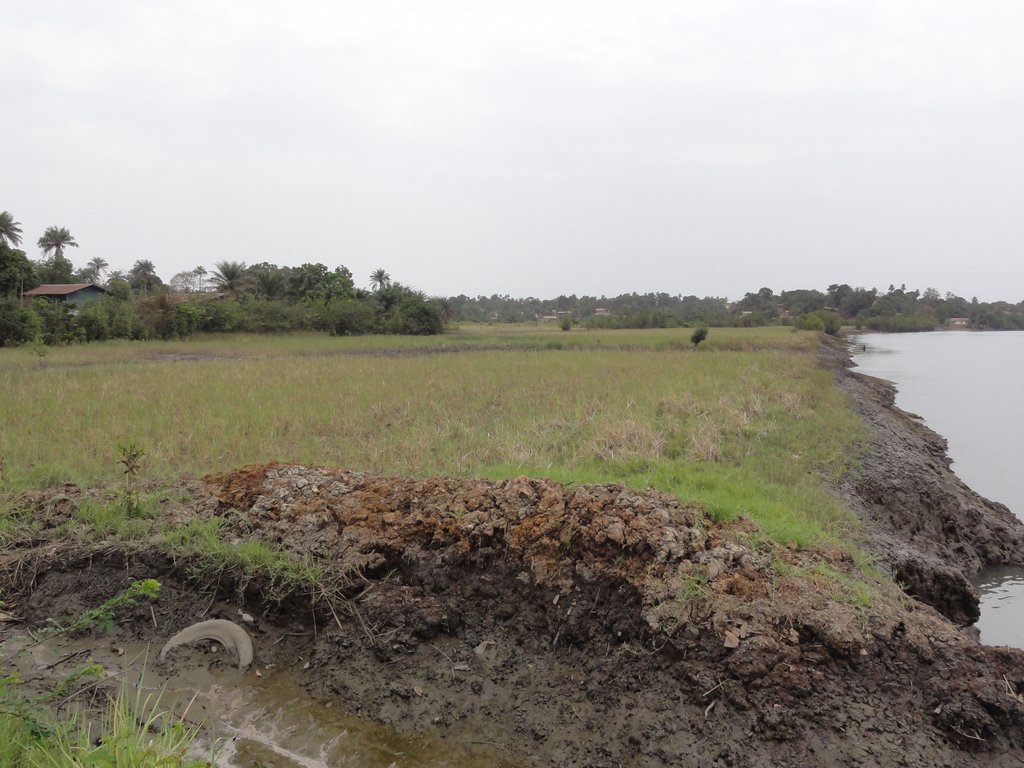
On the pooled measure of warming effect, natural coastal wetlands came out at minus 122.41 milligrams of carbon dioxide equivalent per square meter per hour. That is a net uptake. Converted sites came out at 250.60 — a net release. Those figures correspond to 0.17 billion metric tons of carbon dioxide equivalent in cumulative emissions over two decades.
The contrast with converted sites was wider for vegetated wetlands, at 309.32%, than for tidal flats, at 165.02%. Wetlands that had been ecologically restored came out on the uptake side too, at minus 33.03 milligrams per square meter per hour, though the uncertainty on that figure is larger than the figure itself.
The authors conclude that greenhouse gas responses to coastal wetland conversion are specific to the ecosystem and the conversion pathway, and that their results underscore the importance of conserving vegetated wetlands and targeting restoration. The work was funded by the National Natural Science Foundation of China and by the Fundamental Research Funds for the Central Universities, and is published open access, with the source data and the analysis software posted alongside it.
Sources
- Nature CommunicationsPeer-reviewed