New Pancreatic Cancer Drug Nearly Doubled Median Survival in the Trial
The U.S. Food and Drug Administration has approved Rasonque (daraxonrasib), a tablet taken once a day, for adults with metastatic pancreatic adenocarcinoma, the agency announced Aug. 26. The approval covers patients who have already had at least one systemic therapy, and those who are not candidates for a multiagent regimen.
In the trial the FDA cites, randomized, open-label and multicenter, in 500 adults with previously treated metastatic pancreatic adenocarcinoma, median overall survival was 13.2 months on Rasonque against 6.7 months on standard chemotherapy.
The drug targets RAS, a protein the FDA describes as a key driver of tumor growth in most patients with this cancer. The agency's announcement calls the therapy "first in class" for the disease.
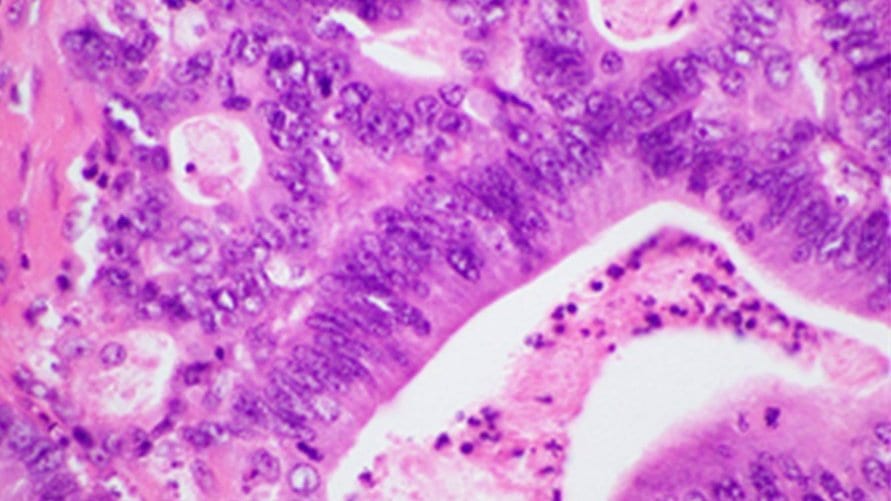
Pancreatic adenocarcinoma arises from the cells lining the ducts of the pancreas and accounts for about 90% to 95% of the roughly 67,000 pancreatic cancer cases diagnosed in the United States each year, the FDA says, citing the National Cancer Institute. The agency puts the disease at roughly 3.2% of all cancer diagnoses and attributes its disproportionate share of cancer deaths to late detection, an aggressive course and historically limited treatment options.
The most common side effects the FDA lists are rash, diarrhea, stomatitis (inflammation of the lining of the mouth), nausea, fatigue, vomiting, abdominal pain, edema, decreased appetite and hemorrhage.
The agency granted the approval to Revolution Medicines. It says the drug held Breakthrough Therapy and Orphan Drug designations, that the application had Priority Review and was examined under the Commissioner's National Priority Voucher pilot program, and that the decision came 6.5 months before the user fee deadline. In May the FDA issued a "safe to proceed" letter allowing the sponsor to open an expanded access protocol, putting the drug within reach of patients before approval.
Sources

Medical Disclaimer: This content is provided for general informational and educational purposes only. It is not medical advice and should not be used as a substitute for professional medical advice, diagnosis, or treatment. Always consult a qualified healthcare professional regarding any medical condition, concern, symptom, or treatment decision.