Heart Muscle Cells Start Dividing Again When Their Beating Stops
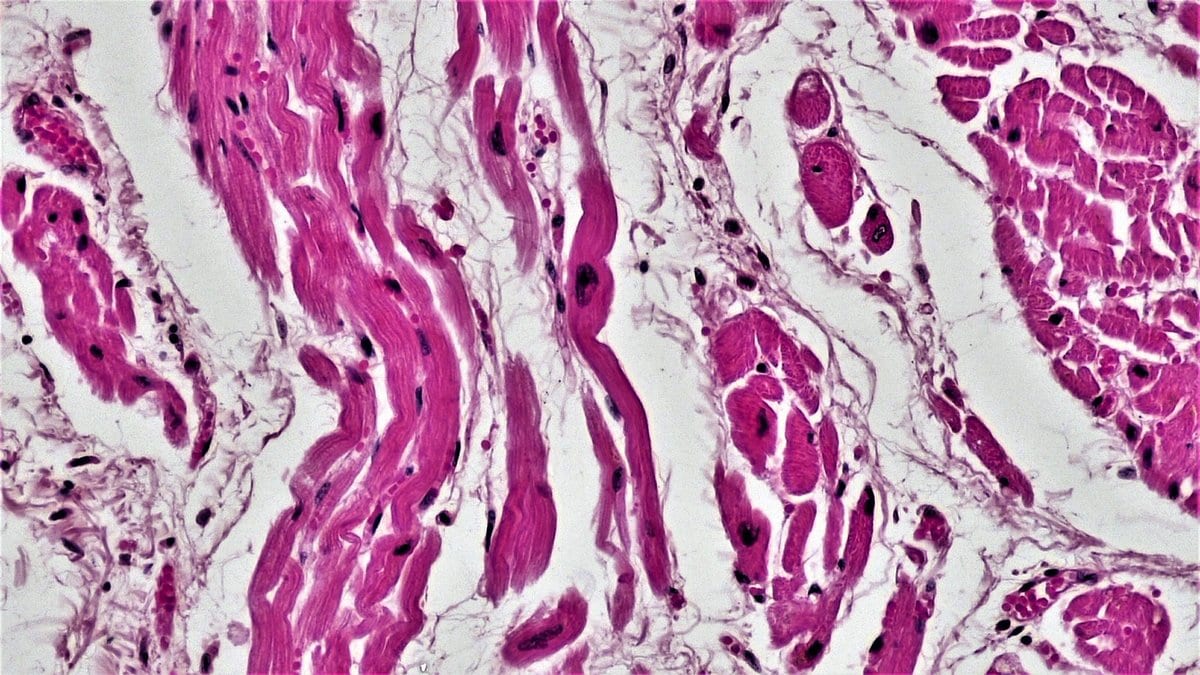
Researchers at the Centro Nacional de Investigaciones Cardiovasculares (CNIC) in Madrid and the University Medical Center Hamburg stopped heart muscle cells, or cardiomyocytes, from contracting and found that they re-entered the cell cycle and divided; restoring contraction stopped them again. The result appeared Nov. 27, 2026, in Nature Cardiovascular Research.
CNIC says the findings do not translate immediately into treatments, but point to mechanisms that could be targeted to promote heart repair after a heart attack or in heart failure. The open-access paper tested a long-standing idea: that the force of contraction is itself a barrier to regeneration.
"Our findings show that cardiomyocytes face a fundamental biological trade-off: the very machinery that enables them to contract and sustain life also prevents them from dividing and replacing damaged tissue," said Florian Weinberger, a CNIC group leader and the study's senior author, in the center's announcement.
First authors Nancy Shehata and Rajiven Srikantharajah and colleagues silenced contraction in four systems — human stem cell-derived heart cells, engineered heart tissue, slices of muscle from failing human hearts, and mice. In the stem cell-derived cells, the share copying their DNA rose from 5.0% to 14.3% while beating was blocked, then fell below its starting level once beating resumed. Time-lapse imaging caught cells completing division.
Sarcomeres, the protein scaffolds that generate force, came apart within an hour of contraction stopping, and the extra cell cycle activity appeared only a day later. The cells also shifted toward making energy from sugar without using oxygen, and blocking that shift removed the effect.
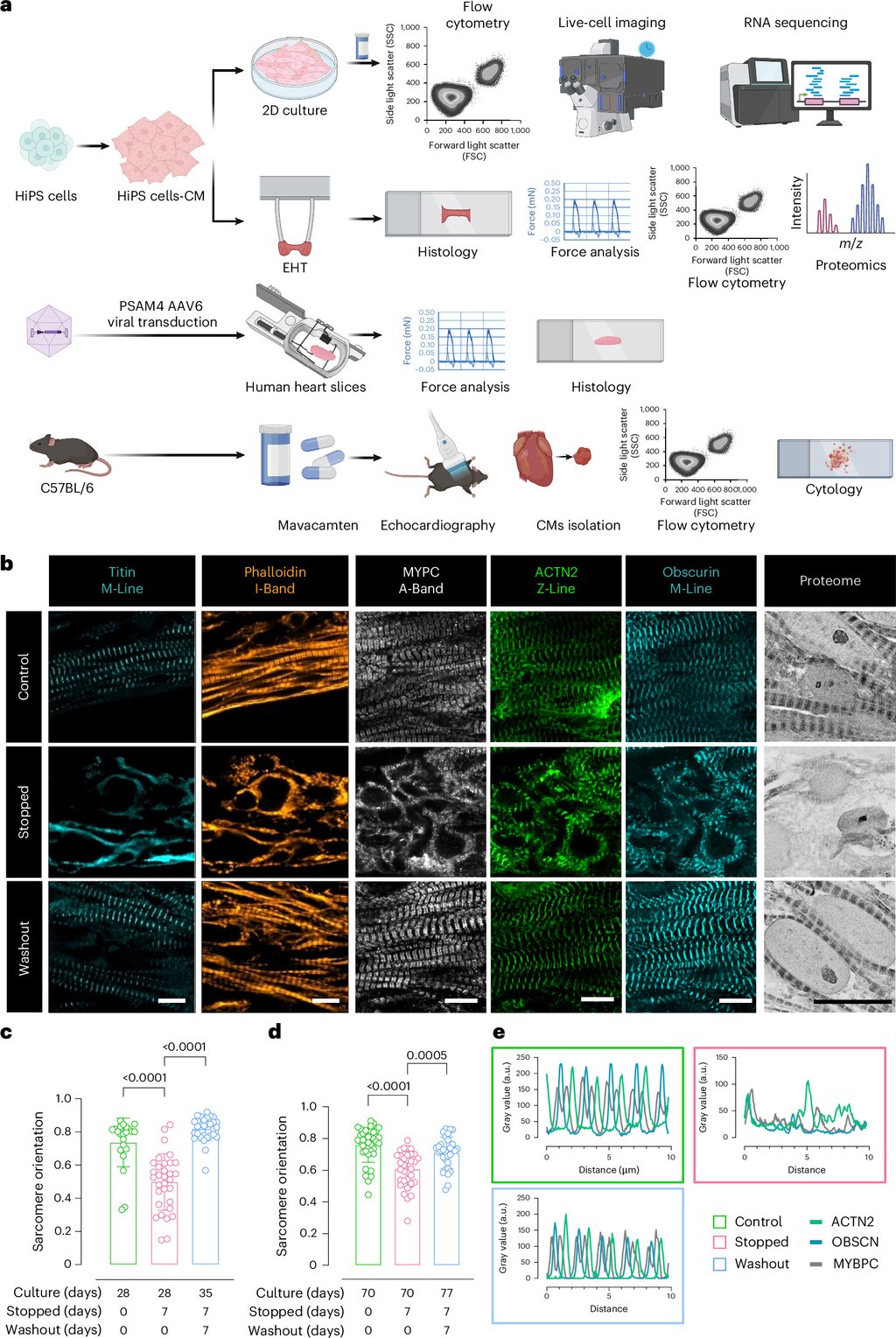
In mice, a high dose of mavacamten, a drug approved for a disease that thickens the heart muscle, raised the share of heart muscle cells in the cell cycle about threefold; the authors report no definitive sign that those cells finished dividing.
The team puts the result alongside earlier reports from people fitted with left-ventricular assist devices, whose hearts are partly relieved of their mechanical work and show more heart muscle cell division.
Sources
- Nature Cardiovascular ResearchPeer-reviewed

Medical Disclaimer: This content is provided for general informational and educational purposes only. It is not medical advice and should not be used as a substitute for professional medical advice, diagnosis, or treatment. Always consult a qualified healthcare professional regarding any medical condition, concern, symptom, or treatment decision.