FDA Approves a Hepatitis B Injection That May Let Some Patients Stop Treatment
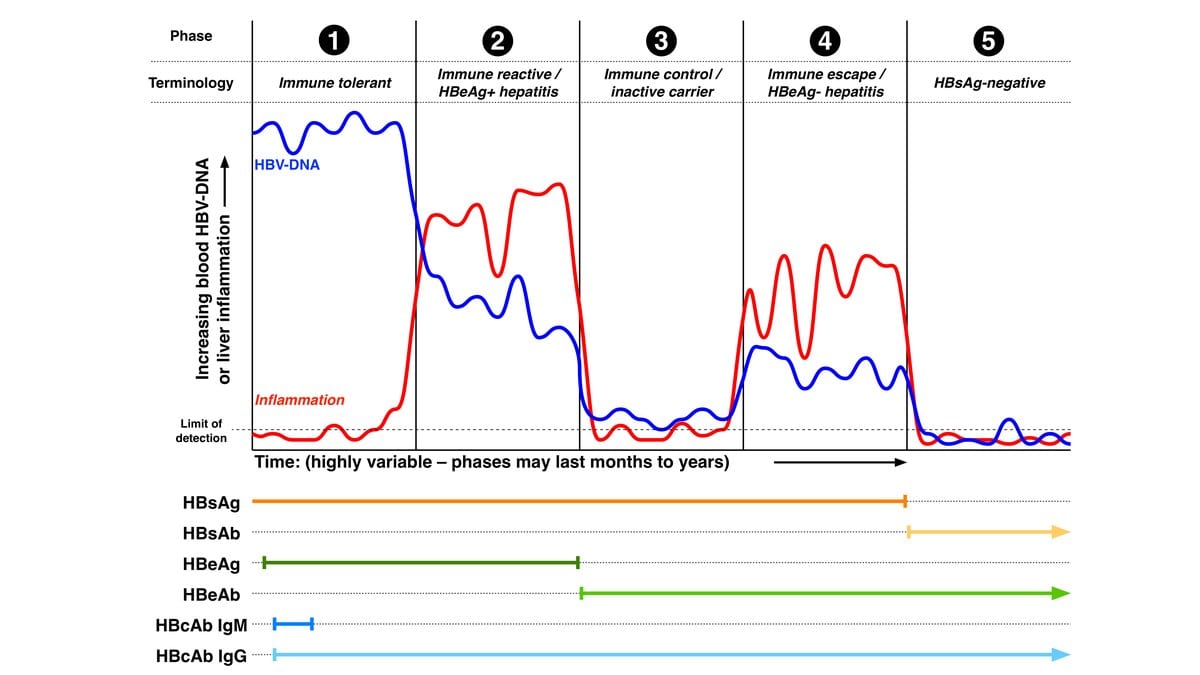
The U.S. Food and Drug Administration approved Hibsago (bepirovirsen) on Oct. 20, 2026, for chronic hepatitis B virus (HBV) infection in certain adults whose livers are not scarred by cirrhosis. The injected drug is added on top of the antiviral medicine those patients already take. The agency says it is the first antisense oligonucleotide it has approved for chronic hepatitis B, a drug class that works by targeting the genetic instructions the virus uses to copy itself and make its proteins.
Chronic hepatitis B is a long-term liver infection that can lead to serious liver disease, including cirrhosis, and raises the risk of liver cancer. Keeping the virus suppressed can mean taking antiviral medicine for years. Wendy Carter, acting director of the FDA's Office of Infectious Diseases, said in the agency's announcement that Hibsago "provides a new treatment approach that gives some patients the possibility of maintaining control of the virus after all chronic HBV treatment has ended."
Hibsago is injected under the skin for up to 24 weeks, alongside the patient's existing hepatitis B medicine, which they continue taking after the last injection. The FDA reports that across two placebo-controlled trials, 24% of patients given Hibsago met the requirements to stop their existing medicine, against none given placebo. Twenty-four weeks after stopping all hepatitis B treatment, 19% still had the virus under control, with no hepatitis B surface antigen (the protein that signals infection) detectable in their blood.
The approval covers adults who have taken antiviral therapy for at least six months, whose virus levels in the blood are suppressed and whose surface antigen is low enough on an FDA-authorized test. The agency also authorized a Roche test, Elecsys HBsAg II quant II RxDx, to help select and monitor patients.
The label carries a boxed warning, the FDA's strongest, for serious liver reactions and for low platelet counts, which can raise the risk of life-threatening bleeding. The agency lists injection site reactions, fever, fatigue and headache as the most common side effects. The approval was granted to GSK plc.
Sources

Medical Disclaimer: This content is provided for general informational and educational purposes only. It is not medical advice and should not be used as a substitute for professional medical advice, diagnosis, or treatment. Always consult a qualified healthcare professional regarding any medical condition, concern, symptom, or treatment decision.