The American Cancer Society Now Recommends Prostate Cancer Screening, Not Just a Conversation About It
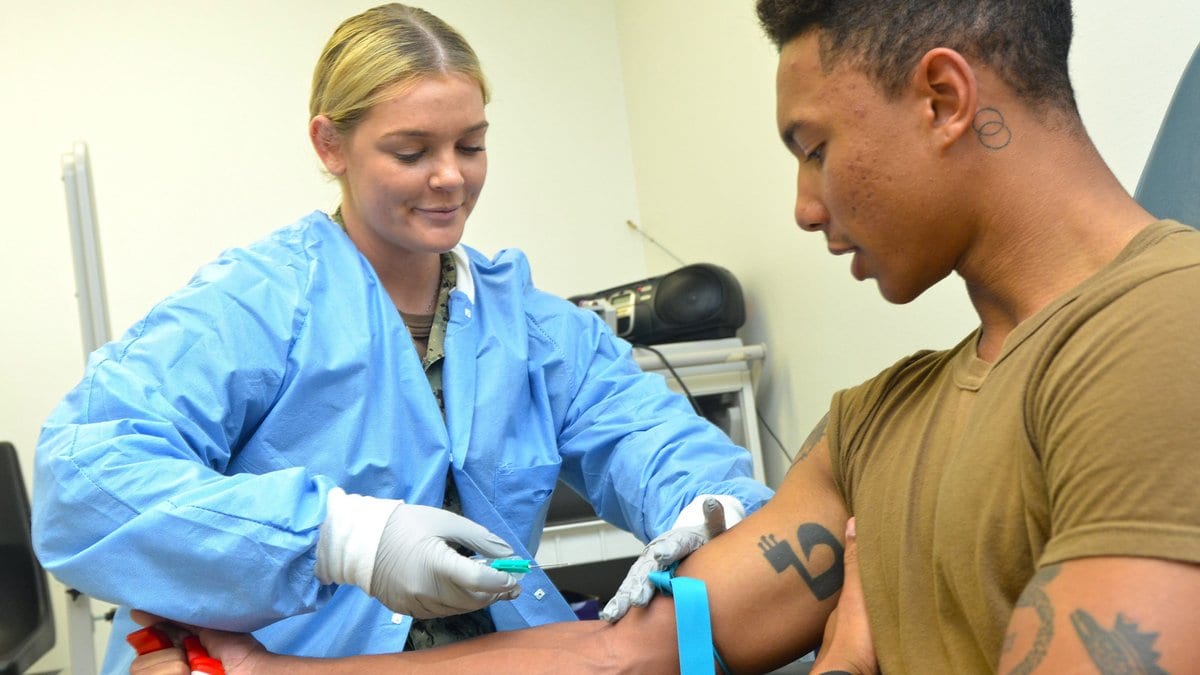
The American Cancer Society now recommends that men at average risk have a blood test for prostate-specific antigen, or PSA, every two years from age 50 to 69, replacing a 2010 position that asked only that men discuss testing with a clinician.
The society released the updated guideline Nov. 12, 2026, and says it aims to catch prostate cancer before it spreads and lower deaths from the disease, while reducing harms such as unneeded biopsies and treatment.
For men it places at higher risk, testing starts earlier and comes every year, from age 45 to 69: Black men and non-Black men with a strong family history, which the guideline defines as a close relative diagnosed before 65 or more than one at any age. Between 70 and 74, the society asks for an individual decision, describing the balance of benefits and harms at those ages as uncertain, and it recommends stopping at 75.
The guideline also sets the readings that should prompt a second look: 3.0 ng/mL or higher for men 45 to 69 and 6.5 ng/mL or higher for men 70 to 74. Men whose raised reading is confirmed should be offered an MRI scan or a validated biomarker test before any decision on a biopsy. "The PSA test is just the first step in a screening process," said Robert Smith, the society's senior vice president for early cancer detection science and the report's senior author.
The society attributes the change to stronger evidence since then that PSA screening significantly reduces prostate cancer deaths and advanced-stage diagnoses, and to wider use of those follow-up steps. Its guideline report, whose first author is Richard M. Hoffman of the University of Iowa Carver College of Medicine, concludes that the benefits of screening outweigh the harms.
William Dahut, the society's chief scientific officer, put prostate cancer incidence among Black men 67% higher than among White men, with nearly double the mortality. Men found to have a cancer unlikely to grow or spread should be offered monitoring instead of immediate treatment, the guideline adds.

Sources

Medical Disclaimer: This content is provided for general informational and educational purposes only. It is not medical advice and should not be used as a substitute for professional medical advice, diagnosis, or treatment. Always consult a qualified healthcare professional regarding any medical condition, concern, symptom, or treatment decision.