What Leaving Earth Reveals About the Human Body

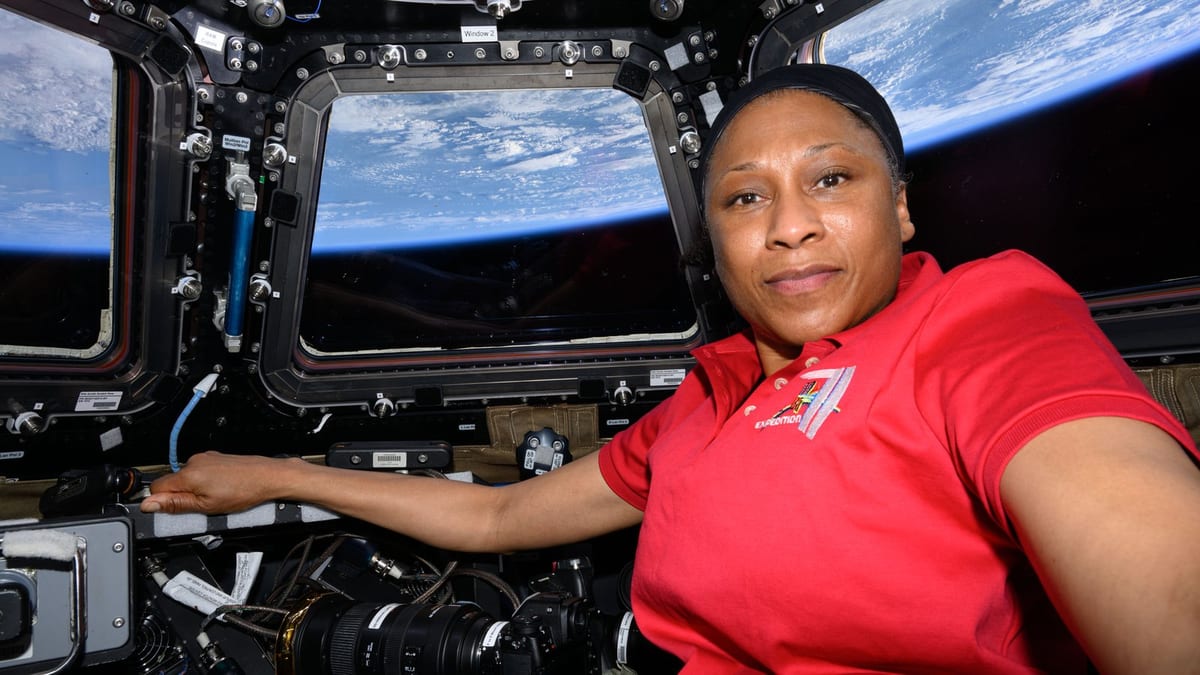
At a time when the Artemis program is ushering in a new era of human space exploration and humanity is planning increasingly ambitious missions, understanding how the human body responds to the space environment has become a growing priority.
Human spaceflight is far more than a technological achievement. Every astronaut also becomes a participant in a unique scientific experiment that allows researchers to observe how the human body responds to microgravity, cosmic radiation, and the many other extreme conditions of the space environment.
A comprehensive review published in Frontiers in Physiology synthesizes findings from dozens of studies and demonstrates that spaceflight affects virtually every major physiological system in the human body. At the same time, it highlights that many biological changes, particularly those associated with long-duration missions, remain only partially understood.¹
Microgravity: when the rules the body relies on change
Gravity is such a fundamental part of life on Earth that we rarely notice its continuous influence. Yet it affects every movement we make, the work of the heart, the distribution of body fluids, and the way the brain determines our position in space.
Gravity does not disappear in space. Even in low Earth orbit, Earth's gravitational pull remains almost as strong as it is at the planet's surface. Astronauts and the International Space Station are, however, in a continuous state of free fall around Earth. This creates the sensation of weightlessness known as microgravity. As a result, the body no longer receives many of the mechanical stimuli that are an integral part of everyday life on Earth.¹
One of the earliest physiological responses is a shift of body fluids toward the head. During the first days of a mission, astronauts often report symptoms such as nasal congestion and facial puffiness. Over longer periods, this fluid redistribution may also contribute to changes in vision. In some astronauts, alterations in the shape of the eye or swelling of the optic nerve can reduce visual acuity.¹˒⁶
At the same time, other physiological systems begin to change. Because muscles and bones no longer have to counteract Earth's gravitational load, muscle strength declines and bone mass gradually decreases. The cardiovascular system also adapts to the reduced physical demands of the space environment. Thus, microgravity initiates a cascade of interconnected changes involving the musculoskeletal, cardiovascular, nervous, and metabolic systems.¹
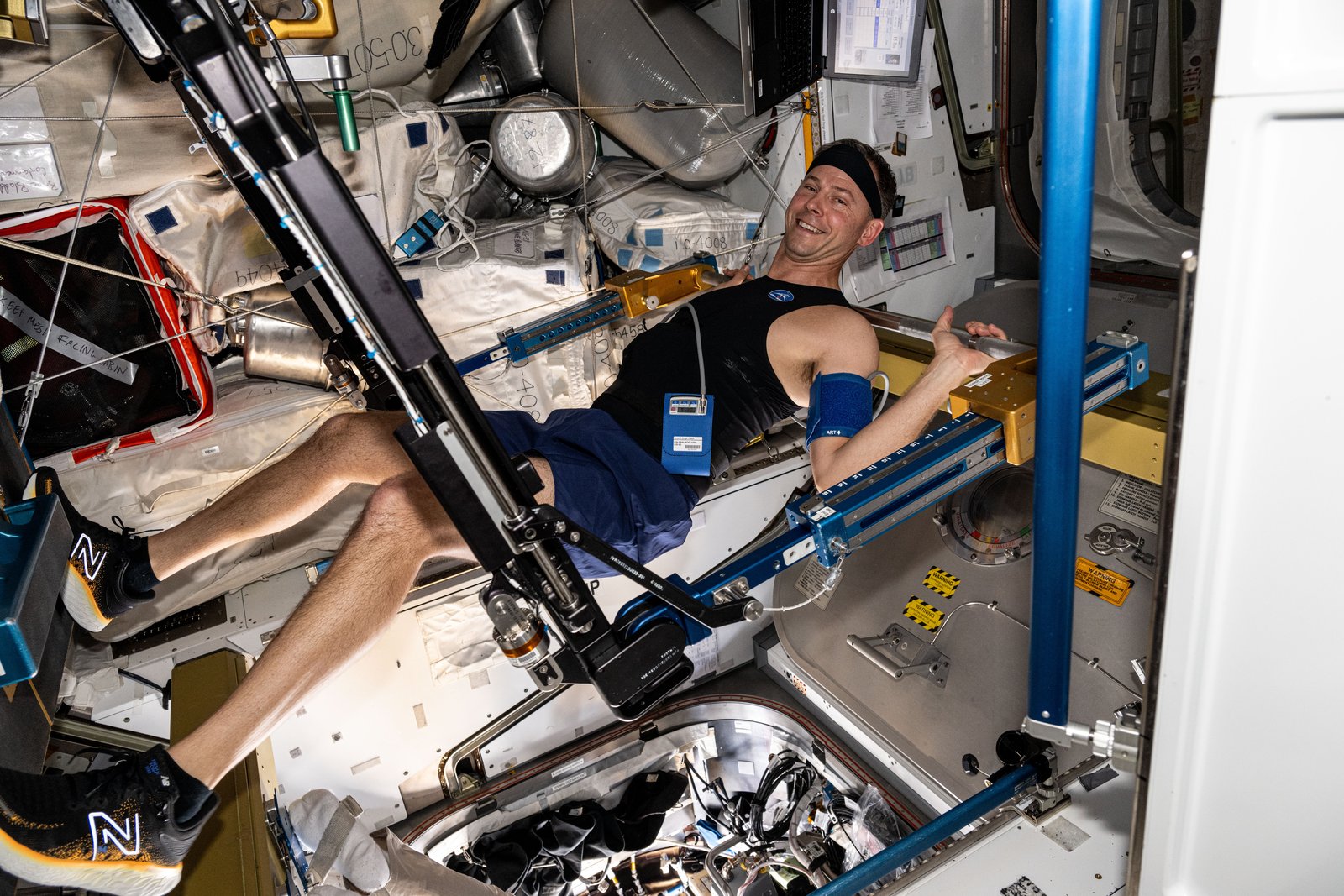
Spaceflight reveals biological processes that remain largely hidden under Earth's familiar conditions.
Cosmic radiation: an invisible threat
Unlike microgravity, which astronauts experience immediately, cosmic radiation is invisible and painless. Yet it represents one of the greatest health challenges for long-duration space missions.¹
On Earth, we are protected from most high-energy particles by the atmosphere and the planet's magnetic field. Beyond this natural shield, astronauts are exposed to galactic cosmic rays as well as energetic particles released during solar particle events. Some of these particles carry such enormous energy that they can penetrate spacecraft shielding and pass through human tissues.¹
As they travel through the body, these particles can damage DNA and disrupt normal cellular function. Researchers are therefore investigating their potential role in increasing the long-term risk of cancer, cardiovascular disease, neurodegenerative disorders and accelerated cellular aging.¹
Unlike the effects of microgravity, however, the biological consequences of cosmic radiation often do not become apparent immediately. Some may emerge only years later, and their full extent remains uncertain. Most of what we currently know is based on studies conducted aboard the International Space Station, which still benefits from partial protection provided by Earth's magnetosphere.¹
The brain: adaptation begins in the body's control center
One of the most remarkable examples of the human body's ability to respond to spaceflight is the brain. Microgravity alters the way the brain processes sensory information, requiring an extensive reorganization of neural activity.¹
Among the first systems affected is the vestibular system of the inner ear. Under Earth's gravity, it continuously provides the brain with information about head position, movement and orientation relative to gravity. In microgravity, however, these signals no longer match the information received from the eyes or from muscles and joints. As a result, the brain initially receives conflicting sensory input. This sensory mismatch can lead to space motion sickness, causing symptoms such as nausea, dizziness and impaired spatial orientation in some astronauts. Fortunately, these symptoms usually subside within a few days as the nervous system adjusts.¹
What happens next is perhaps even more remarkable. Rather than becoming impaired, the brain begins to adapt. Through its extraordinary capacity for neuroplasticity, it reorganizes the way different brain regions communicate and process information. Studies have demonstrated changes in the functional connectivity of networks involved in balance, movement and spatial orientation. In essence, the nervous system develops a new operational mode that allows the body to function efficiently in an environment where gravity no longer provides its usual reference.¹
Research has also revealed measurable structural changes. The redistribution of body fluids toward the head influences the circulation of cerebrospinal fluid, while neuroimaging studies have documented changes in the volume of the brain's ventricles, alterations in cerebrospinal fluid spaces and subtle shifts in the position of certain brain structures. These findings are closely associated with Spaceflight-Associated Neuro-ocular Syndrome (SANS), a condition that may develop during long-duration missions and affect both the eye and the optic nerve. In some astronauts, visual impairment persists long after returning to Earth. The precise mechanisms underlying SANS remain incompletely understood.¹˒⁶
Returning to Earth presents the brain with another challenge. After adapting to microgravity, it must once again recalibrate to life under Earth's gravity. During this period, astronauts may temporarily experience difficulties with balance, coordination and precise motor control as the nervous system gradually re-establishes its familiar patterns of function.¹
Spaceflight changes more than the body, it also changes the way the brain governs the body.
Research on the brain in space highlights one of the most extraordinary characteristics of the human organism: its remarkable capacity to reorganize its function in response to an entirely new environment. At the same time, it reminds us how much remains unknown. Scientists still do not know which of these changes would remain fully reversible after missions lasting several years and which might persist over the long term.¹˒⁶
When the body enters energy-saving mode
On Earth, the human body is constantly working against gravity. Every step we take, every moment spent standing upright and even maintaining posture require the coordinated effort of muscles, bones, the heart and blood vessels. In space, however, this constant mechanical load is largely removed. As a result, the body rapidly begins to adjust its physiology to an entirely different environment.
As already indicated, one of the earliest changes is the redistribution of body fluids toward the chest and head. The body interprets this shift as an excess of fluid, prompting the kidneys to increase the excretion of water and sodium. As the volume of circulating blood gradually decreases, the heart's workload also changes, as it no longer needs to overcome gravity to distribute blood throughout the body. During long-duration missions, this leads to structural remodeling of the heart muscle, not as a result of damage, but as an adaptation to an environment with substantially lower physical demands.¹
The consequences become most apparent after astronauts return to Earth. Having functioned for months without gravity, the cardiovascular system must readjust to its familiar environment. During this transition, astronauts may experience dizziness or difficulty standing upright, a condition known as orthostatic intolerance.¹
Research shows the general cell mechanisms of these adaptations, which may extend far beyond the cardiovascular system. Microgravity also influences the way cells produce and utilize energy. It changes the activity of mitochondria, the cellular organelles responsible for generating most of the body’s energy, and alters the metabolism of carbohydrates, fats and proteins. Tissue sensitivity to insulin may also be affected. In other words, the body is not simply adapting individual organs; it is reorganizing the biochemical processes that sustain life itself. Thus, spaceflight elicits a coordinated adaptive response involving the organism as a whole.¹
This systems-level perspective is reinforced by a review published in npj Microgravity in 2026, which examined thermoregulation during spaceflight; mechanisms responsible for maintaining a stable body temperature seem to undergo the adaption process as well.⁴
In space, the body modifies the way it functions in order to preserve its internal balance.
Such observations indicate that adaptation of the human body to space is increasingly understood as an integrated process involving continuous interactions among the nervous system, hormonal regulation, metabolism and the cardiovascular system. The longer spaceflight lasts, the more clearly these systems reveal their profound interdependence.¹˒⁴
The knowledge gained from studying astronauts has important applications on Earth. Insights from space medicine are helping researchers better understand the physiological changes associated with prolonged bed rest, aging and a range of metabolic and cardiovascular diseases. In this way, space serves not only as a laboratory for human exploration but also as a unique platform for advancing modern medicine.⁵
What happens inside our cells
Many of the effects of spaceflight can be observed at the level of entire organs. Muscles lose mass, bones become less dense, the heart adapts to a new environment, and the brain reorganizes the way it processes information. Yet some of the most fascinating changes occur on a much smaller scale: inside the cells themselves.
Research has shown that the space environment influences the activity of genes involved in DNA repair, cellular metabolism, inflammatory pathways and immune function. This does not mean that a person's genetic code changes. Rather, spaceflight alters gene expression, the process that determines which genes are switched on and which remain inactive. This dynamic regulation enables the body to adjust its biological functions in response to an unfamiliar environment.¹
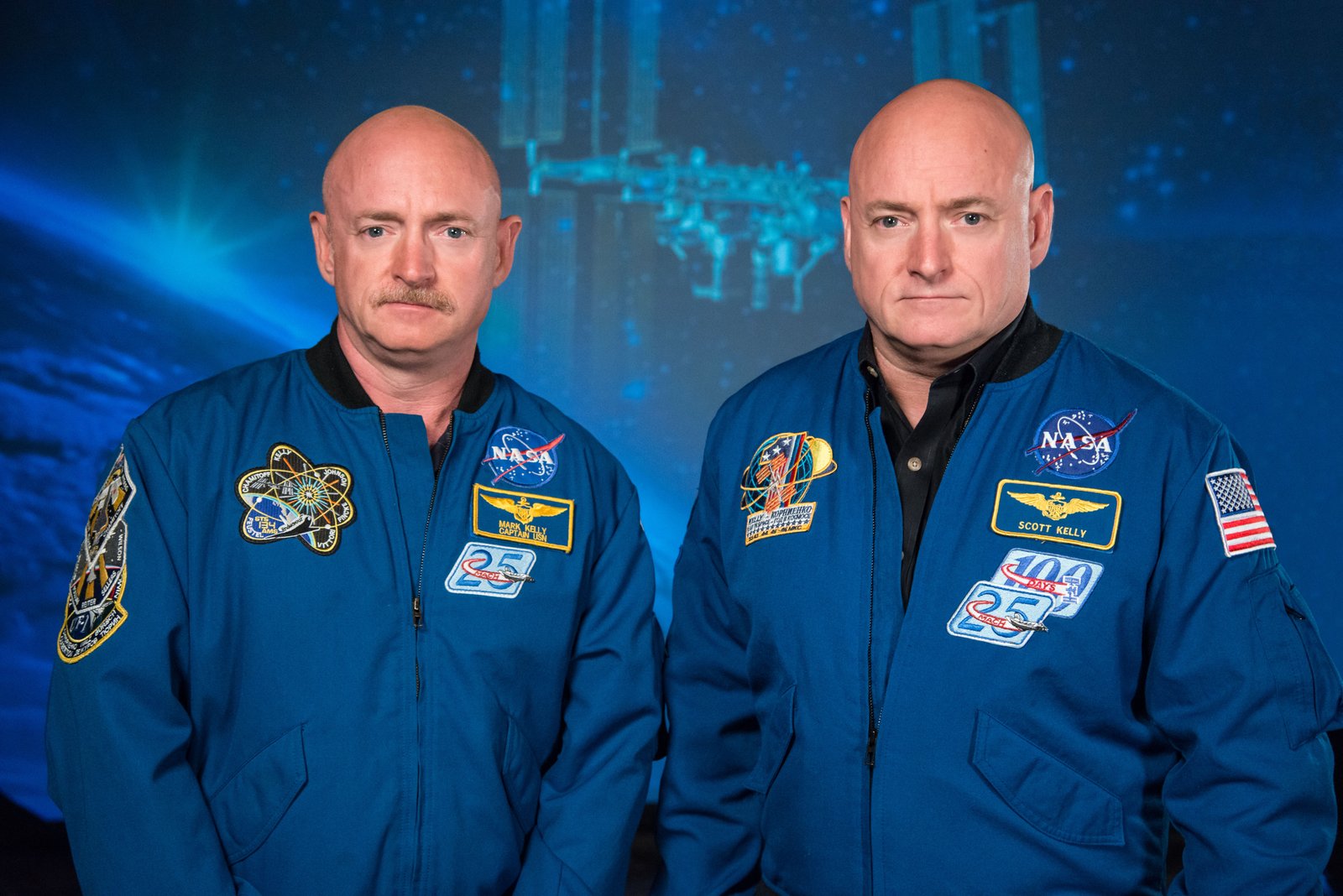
Scientists have also focused considerable attention on telomeres, the protective DNA sequences located at the ends of chromosomes that help preserve genetic information during cell division. Because telomeres generally shorten with age, they are often regarded as one of the biological markers of cellular aging. Surprisingly, the NASA Twins Study found that astronaut Scott Kelly's telomeres lengthened during his nearly year-long mission in space. After his return to Earth, however, they rapidly returned to their previous length, and some became even shorter than before the mission. This unexpected finding demonstrated that changes in telomere length during spaceflight are far more complex than previously assumed.²
The immune system exhibits similarly complex responses. Studies have reported changes in the activity of immune cells, increased activation of certain inflammatory pathways and the reactivation of latent viruses that commonly remain dormant in healthy individuals, including the Epstein-Barr virus and the varicella-zoster virus, which causes chickenpox and shingles. Although these changes rarely lead to serious illness, they illustrate how sensitively the immune system responds to the combined effects of microgravity, cosmic radiation and prolonged physiological stress.¹˒²
It is at the cellular level that many of the most important questions now emerge. Future research will help clarify how these molecular changes interact with one another and what they may ultimately mean for long-term human health during extended space missions and beyond.¹
On the threshold of new discoveries
Most of what we currently know about the effects of spaceflight is based on studies involving a relatively small number of astronauts who have spent weeks or months in orbit. Opportunities to investigate the consequences of missions lasting nearly a year have been rare, and experience from even longer expeditions is still lacking.¹˒²
As a result, many important questions remain unanswered. Which changes in the brain, cardiovascular system or metabolism fully reverse after astronauts return to Earth, and which may persist? How do microgravity, cosmic radiation and other features of the space environment interact to shape these physiological responses?¹ Our understanding of the effects of long-duration spaceflight on human reproductive health also remains limited.³
Each new mission, however, offers far more than insights into how humans survive in space. Under the combined influences of microgravity, cosmic radiation and other extreme conditions, many biological processes become apparent more rapidly and more clearly than they do on Earth. This allows scientists to observe physiological mechanisms that would otherwise remain hidden or would take years to become detectable under normal terrestrial conditions.¹˒⁵
These discoveries are important not only for science but also for decision-making by space agencies, healthcare institutions and companies preparing commercial human spaceflight. They contribute to the development of medical standards, preventive strategies and operational guidelines designed to protect the health of astronauts during long-duration missions and, increasingly, of participants in commercial space travel.¹
The benefits of space medicine extend well beyond space exploration. Research on astronauts is providing valuable insights into the biological processes associated with aging, prolonged physical inactivity, the loss of bone and muscle mass and a variety of cardiovascular and metabolic disorders. Investments in space medicine therefore have the potential to advance preventive healthcare, rehabilitation and medical care for an aging population here on Earth.¹˒⁵
The better we understand how the human body adapts to the environment of space, the better we can define the limits of that adaptability and develop strategies to overcome them.
Perhaps this is the greatest contribution of human spaceflight. Beyond expanding our knowledge of the Universe, it provides an extraordinary opportunity to better understand ourselves.
Only when humans leave Earth do we fully appreciate how remarkably well the human body is adapted to our home planet.
Sources
- Tomsia M, Cieśla J, Śmieszek J, Florek S, Macionga A, Michalczyk K, Stygar D. (2024). "Long-term space missions' effects on the human organism: what we do know and what requires further research." Frontiers in Physiology 15: 1284644.
- Garrett-Bakelman FE, et al. (2019). "The NASA Twins Study: A Multidimensional Analysis of a Year-Long Human Spaceflight." Science 364, no. 6436: eaau8650.
- Gimunová M, Paludo AC, Bernaciková M, Bienertová-Vašků J. (2024). "The Effect of Space Travel on Human Reproductive Health: A Systematic Review." npj Microgravity 10: 10.
- Gimunová M, Beníčková M, Wagner A, Kučera J, Bienertová-Vašků J. (2026). "The Effect of Spaceflight and Simulated Microgravity Exposure on Thermoregulation in Humans: A Systematic Review." npj Microgravity.
- Vernikos J, Schneider VS. (2010). "Space, Gravity and the Physiology of Aging: Parallel or Convergent Disciplines? A Mini-Review." Gerontology 56, no. 2: 157–166.
- Lee AG, Mader TH, Gibson CR, Tarver W, Rabiei P, Riascos RF, et al. (2020). "Spaceflight Associated Neuro-ocular Syndrome (SANS) and the Neuro-ophthalmologic Effects of Microgravity: A Review and an Update." npj Microgravity 6: 7.
Medical Disclaimer: This content is provided for general informational and educational purposes only. It is not medical advice and should not be used as a substitute for professional medical advice, diagnosis, or treatment. Always consult a qualified healthcare professional regarding any medical condition, concern, symptom, or treatment decision.