Earth Is Trapping Heat Faster Than at Any Point Since 1960, WMO Reports
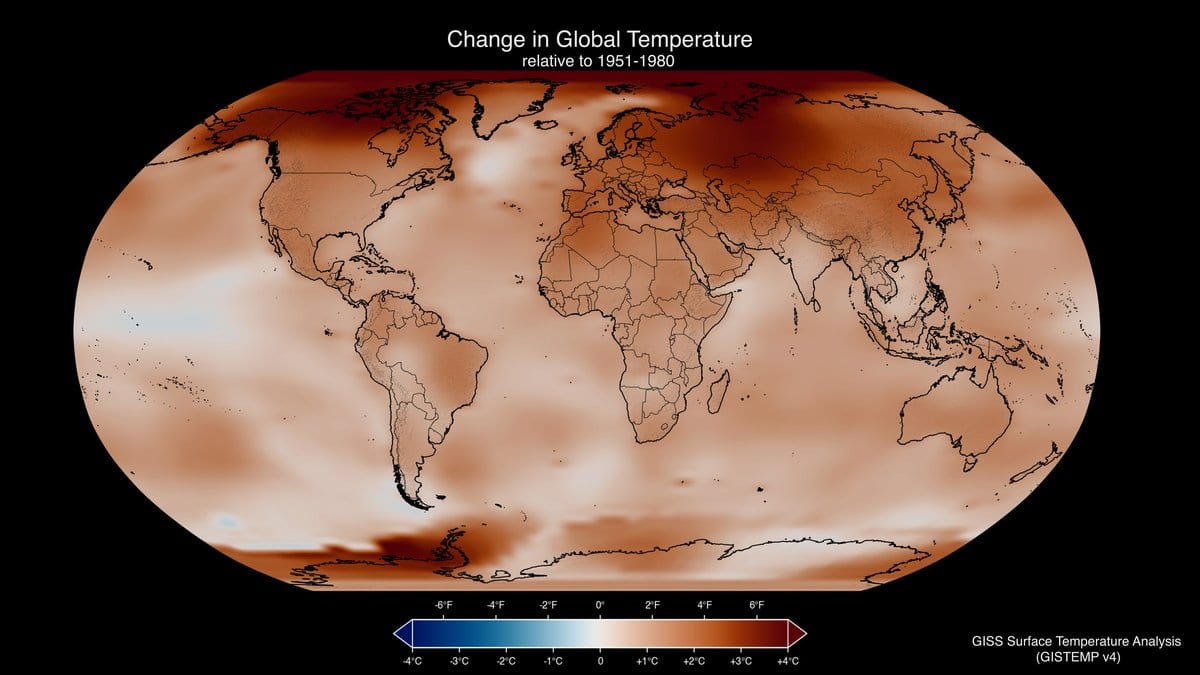
The World Meteorological Organization published its State of the Climate 2026 Update on Nov. 9, 2026, and reports that the imbalance between the energy Earth takes in from the sun and the energy it radiates back to space has reached its highest observed value since monitoring began in 1960. WMO dates that peak to 2025 and says preliminary values for January to July 2026 point to another record.
That imbalance is how the report measures the rate at which heat is building up in the Earth system, and WMO says the ocean absorbs 90% of the excess. The update also records the highest heat content in the observed record for the upper ocean in 2025, and a record high in global mean sea level. WMO says the rise comes from increased melting of glaciers and ice sheets and from the expansion of warming water.
For January to September 2026, WMO gives a global average surface temperature of about 1.47 °C above the preindustrial average, drawn from nine international datasets. The agency reports that the four warmest years on record are 2023 through 2026, and says the full-year figure is likely to come out above the nine-month average because El Niño has been strengthening since August 2026.
"El Niño doesn't add new heat to the planet. It releases heat from the ocean, which is the warmest ever measured," said WMO Secretary-General Celeste Saulo.
WMO also reports that Antarctic sea ice reached its third-lowest yearly maximum in the satellite record, that the Arctic maximum was the lowest or second lowest, and that glaciers lost more than 400 billion metric tons of ice in 2025, the fourth consecutive year in which every glaciated region in the world lost ice.
The update was released on the opening day of the COP31 climate conference in Antalya, Türkiye. It carries data, where available, through September 2026, which, WMO says, means it does not reflect El Niño's most recent effects. The agency says the full State of the Global Climate 2026 report will follow in March 2027.