Where Europe's Farms Retreated, the Trees Moved In
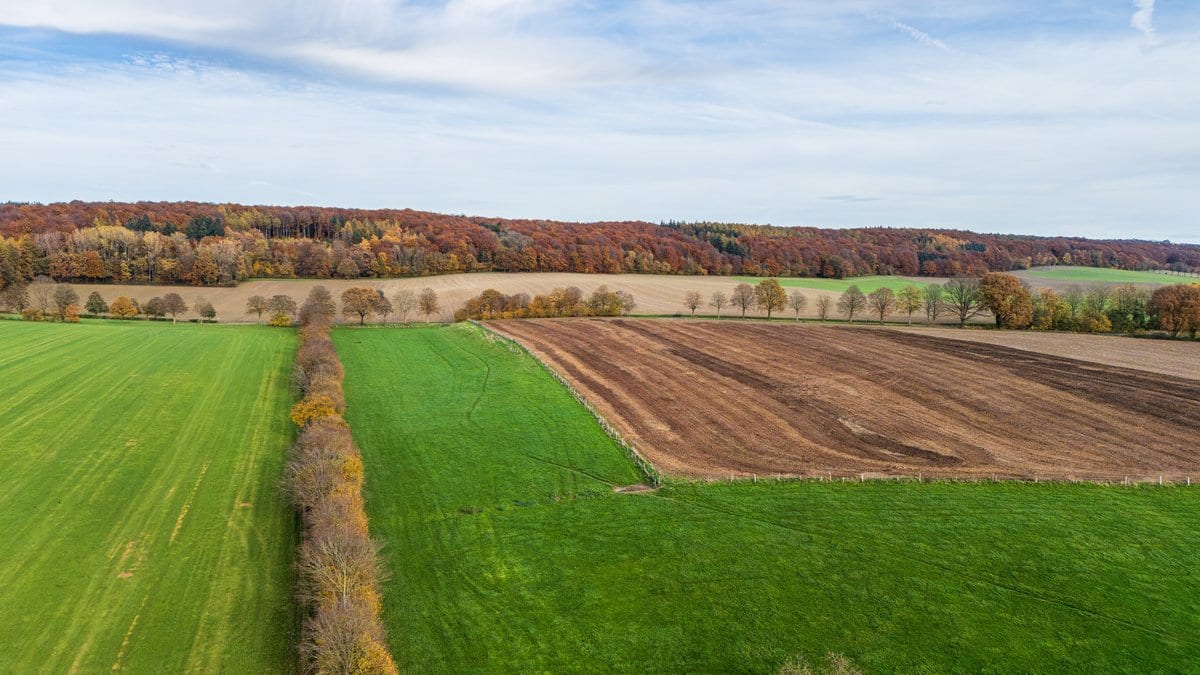
Researchers at Aarhus University in Denmark and Humboldt University in Berlin report that tree cover grew across much of Europe between 2001 and 2021, with the strongest gains in places where farming had retreated. Wanben Wu and colleagues measured three things together instead of cover alone: how much canopy there is, how well it joins up, and how varied it is.
The study, published Oct. 31, 2026, in Communications Earth & Environment, states that long-term assessments of the whole continent have mostly tracked tree cover on its own, while both the amount of canopy and the way trees are spread across a landscape can strongly affect how an ecosystem works and which species live in it.
The most widespread combination of trends covered 23% of the area analyzed. In those places tree cover rose and so did connectivity, which is how well separate patches of canopy link up. The variety in canopy structure fell at the same time. Across 0.25-degree grid cells, those holding larger fractions of former cropland tended to show the more positive trends in cover and connectivity and the more negative trends in variety.
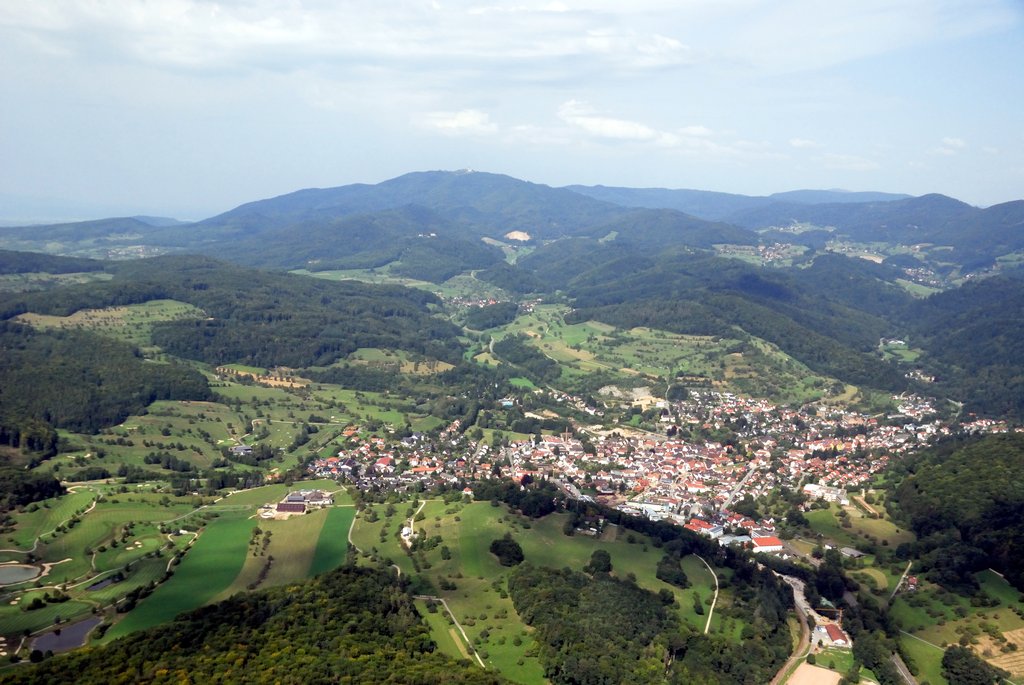
Wu and colleagues write that tree-cover gains therefore do not necessarily come with greater variety in canopy structure. They read the pattern as carrying potential benefits for carbon buildup and for forest-dwelling species, and possible costs for species that depend on open or patchy habitat. That reading rests on the structural trends rather than on counts of animals or plants.
The team also examined whether the trends are associated with forest management, agricultural retreat, natural disturbances, climate and human activity. The text now online is the peer-reviewed version the journal accepted Oct. 9, 2026; it is in press and carries a permanent DOI ahead of the final published version. The work was funded by the Horizon Europe project wildE and the Danish National Research Foundation.
Sources
- Communications Earth & EnvironmentPeer-reviewed