Australian Seabirds Are Swallowing Far More Plastic Than They Were in 2022
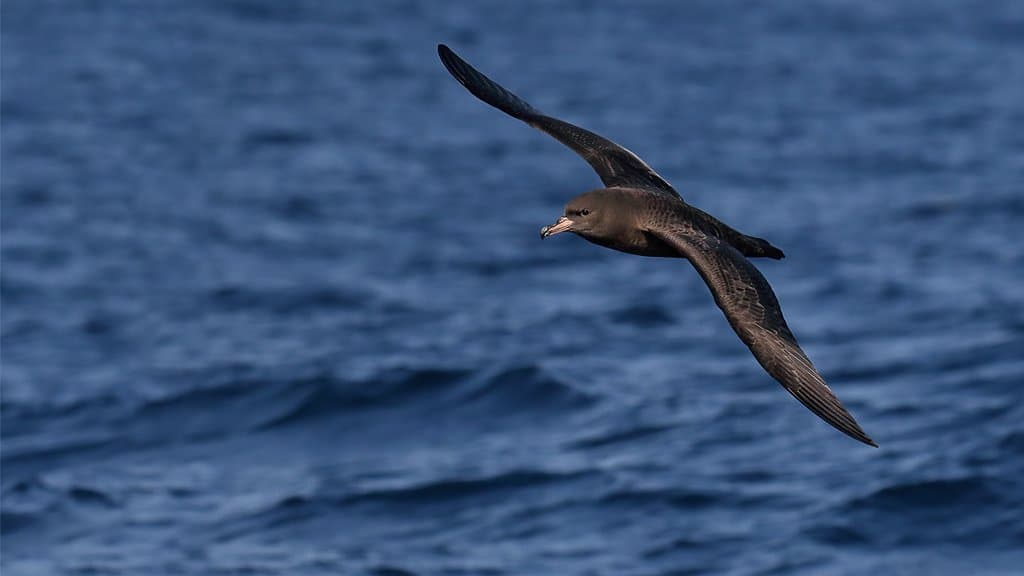
Sable shearwaters in Australia are swallowing far more plastic than they were before 2022, while the overall share of birds carrying any plastic at all has remained steady for 16 years. That is the finding of a long-term record of the species published Sept. 10 in the open-access journal Earth's Future.
The paper sets out to show what a shorter study would have missed. Jennifer Lavers of Charles Sturt University, senior author Alexander Bond of the Natural History Museum and colleagues write that had the project run only as long as a graduate research project, the conclusions could have been very different and potentially incomplete.
The share of birds carrying plastic has typically stayed at 75% to 85% across the record, while the mass and number of pieces recovered from them rose substantially and rapidly after 2022. Bottle caps and resin pellets, the pre-production beads known as nurdles, are the two commonly ingested items the paper follows separately.
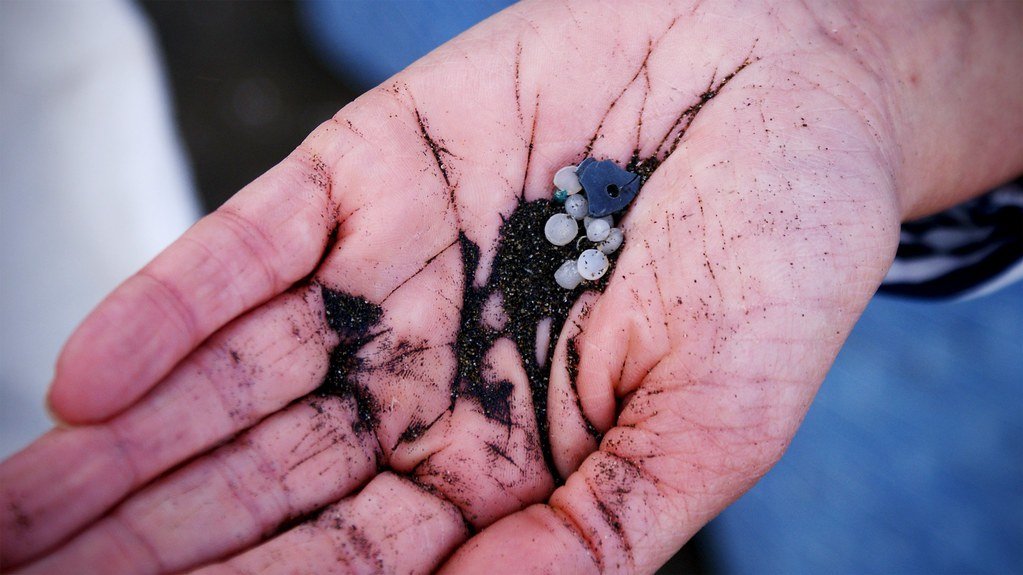
Across the record the picture is not a straight line. The long-term dataset reveals both better and worse years for the birds and changeable patterns in items such as lids. The quantity swallowed by fledglings (birds on their first flight) accelerated most in recent years. The researchers argue that as plastic pressures grow, the measures worth tracking may not be the ones used historically.
The work was funded by the Natural History Museum, the Australian Academy of Science and the Sea World Research and Rescue Foundation.
Sources
- Earth's FuturePeer-reviewed