Cacti May Be Less Drought-Proof Than Climate Forecasts Assume
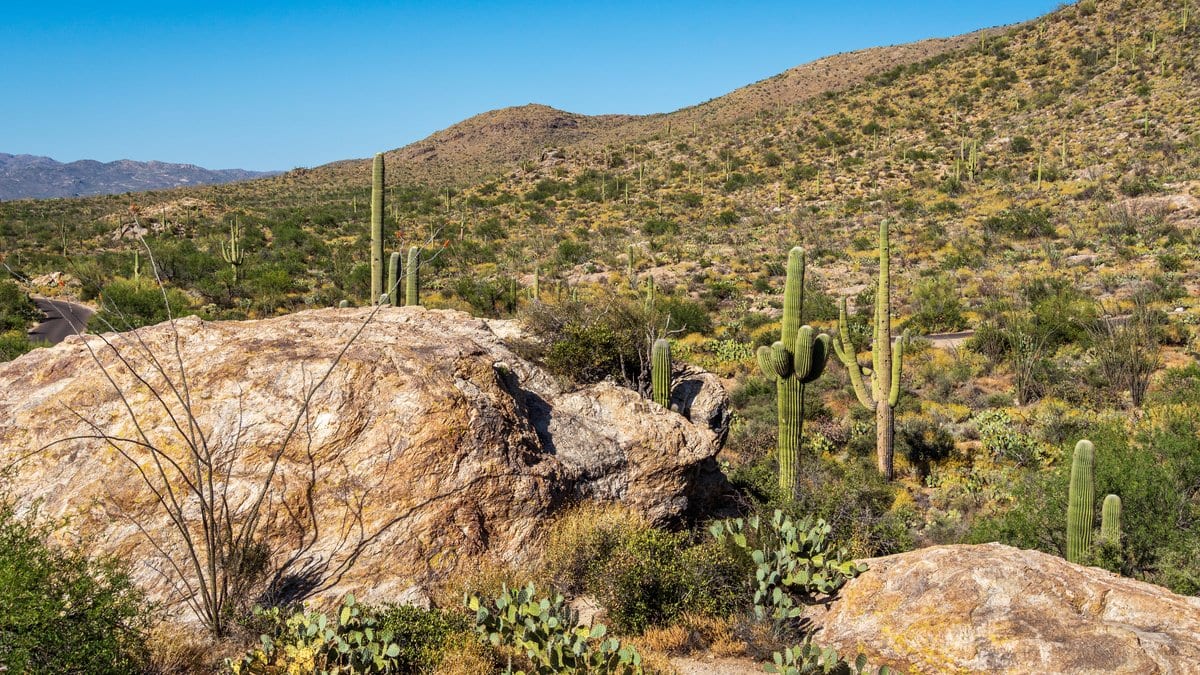
Cactus species face a worse outlook under climate change once severe drought is written into the forecasts, researchers reported Nov. 11, 2026, in Nature. Across a range of emissions scenarios, adding severe drought raised the share of 993 cactus species projected to lose suitable climate from 58–61% to 69–72%.
The authors note that extreme climatic events are growing more frequent and more intense as the climate warms, and that their effects on where species can live remain poorly understood. Most models of a species' range run on long-term average climate, which the authors say leaves out the effects of those extremes. They write that folding extremes into this kind of forecasting will matter for judging biodiversity loss and for designing conservation strategies, in other groups of plants and animals as well as in cacti.
The study drew on a curated dataset of 648,316 cactus occurrence records, for a family the authors describe as heavily threatened and commonly considered drought-tolerant. The authors report that models including severe drought, together with the compounding effect of warmer temperatures, were better supported than models built on average climate alone in 91% of cases. The work was led by Michiel D. Pillet of the University of Arizona, with Brian J. Enquist of the same university as senior author, and colleagues.
Counting drought also moved the worst cases. The share of species projected to lose more than four-fifths of their suitable area rose to 25–35%, and five bioregions could lose more than a quarter of their cactus species. Those figures assume cacti can shift their range by up to 100 kilometers, and losses are larger in runs where the plants cannot move at all. They are projections from models rather than measured losses.
Because of the risk of illegal collection, the occurrence records behind the study are available only on request.
Sources
- NaturePeer-reviewed