Climate Change Made Northwest Iberia's 2025 Fires Three Times Larger, Report Finds
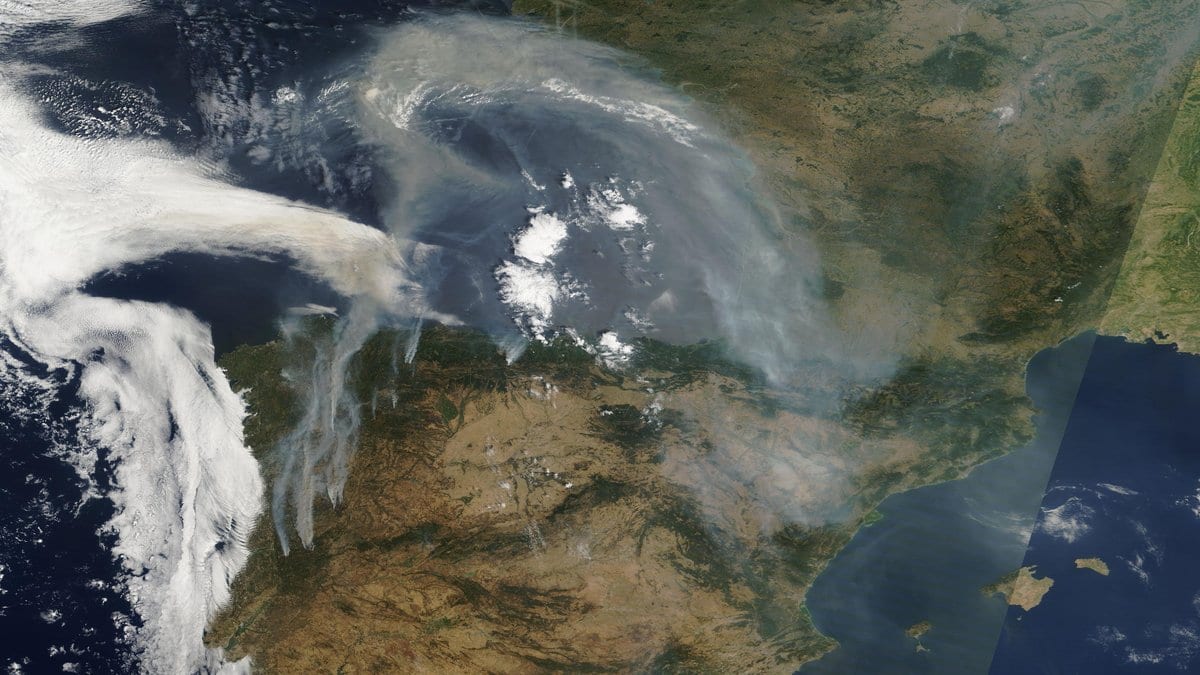
The State of Wildfires 2025–2026 report, published Nov. 11, 2026, in Earth System Science Data, finds that the area burned in northwest Iberia's August 2025 fires was around three times larger than it would have been without human-caused climate change, and that the extreme fire weather behind the episode was around three times more likely.
The report says cutting emissions can limit how large such fires become. "The findings show a clear message: we are already seeing the visible impacts of climate change on extreme fires around the world. However, with strong action to cut emissions, we can still avoid worse fires happening in the future," said Chantelle Burton, the Met Office lead author, in the Met Office's summary.
The report was launched at the COP31 climate conference and written by scientists at the Met Office, the European Centre for Medium-Range Weather Forecasts, the University of East Anglia and the UK Centre for Ecology & Hydrology. For northwest Iberia it describes an August 2025 episode that included several of the region's largest fires on record, caused 14 deaths and forced more than 42,000 evacuations. Spain recorded its highest burned area since 2002, and Portugal saw the largest single wildfire on record.
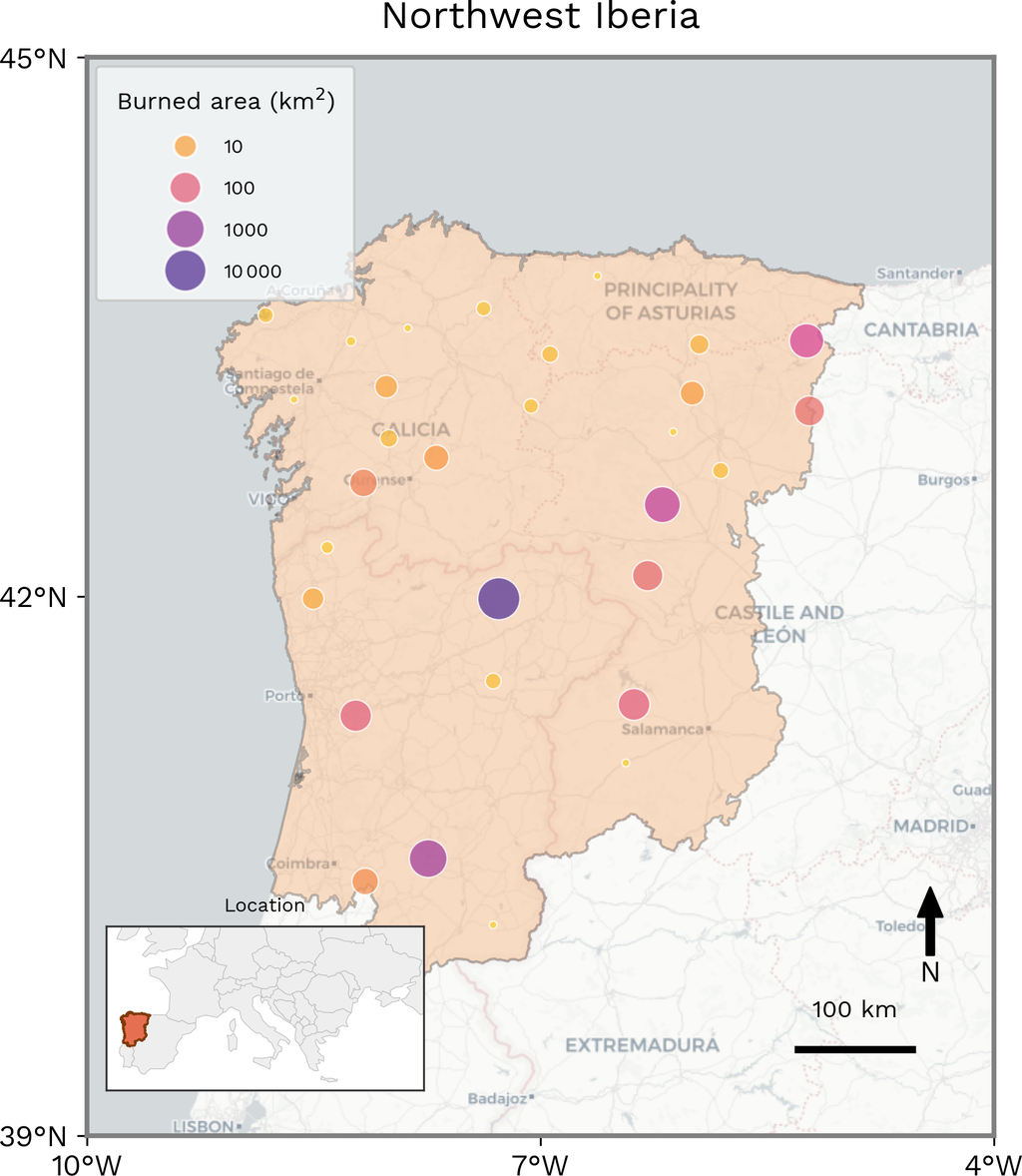
The estimates come from satellite observations of fires, vegetation and weather combined with climate and fire models. The report applied the same method to two other episodes, putting Canada's burned area at nine times what it would otherwise have been and Chile's at around twice.
In Iberia, the report links the fires to unusually wet conditions that boosted plant growth, followed by rapid drying, extreme heat and drought. Under a high-emissions scenario it projects that fires like those of July and August 2025 would burn around 78% more area by the end of the century.
The report also records the lowest global burned area and fire emissions since 2002, which it puts down to low burning in African savannas. "The strongest climate change signal appears in the most extreme fire events rather than in average fire activity," said Douglas Kelley of the UK Centre for Ecology & Hydrology.
Sources
- www.metoffice.gov.uk
- Earth System Science DataPeer-reviewed