Plastic Particles Changed a Tropical Soil's Nutrients, but the Lettuce Grew Just the Same
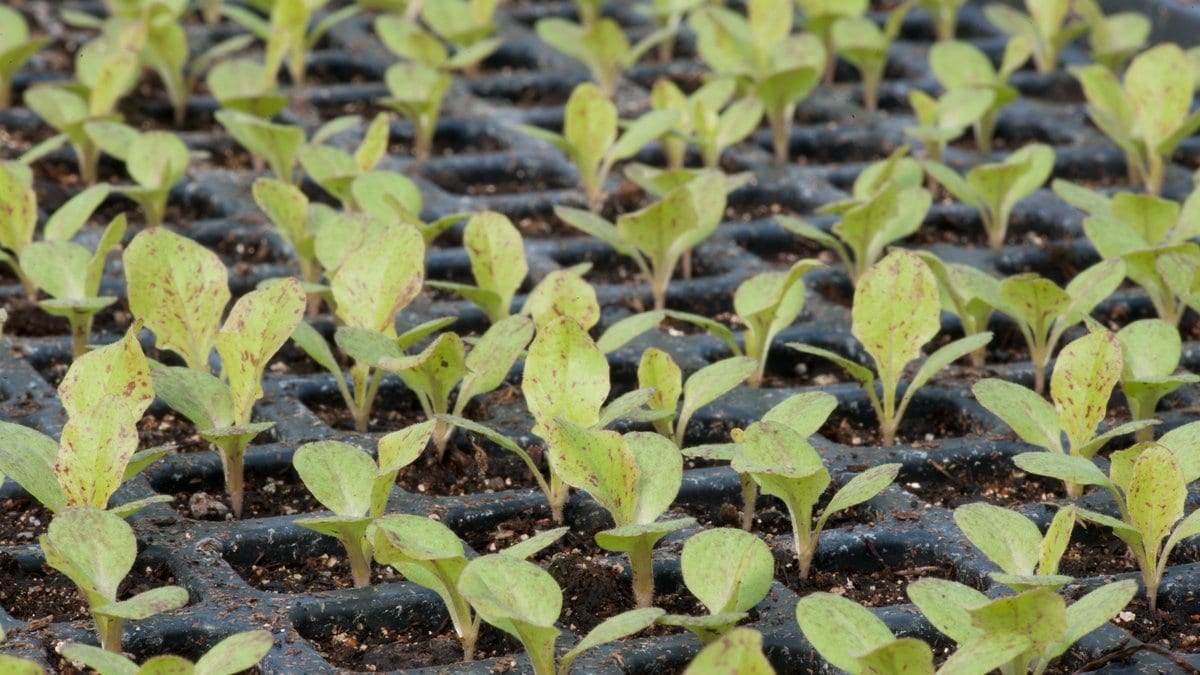
Polystyrene micro- and nanoplastics mixed into a tropical farm soil raised the nitrogen and phosphorus available in it, but only at the highest doses tested, and the lettuce growing in that soil came out no different. Researchers in Wales and Sri Lanka report the result from a 45-day greenhouse pot experiment.
The authors write that the effects of plastic particles on soil and crop growth in tropical farming systems are still poorly understood, and they offer the work as baseline evidence for tropical agricultural soils. It was published Nov. 3, 2026, in Microplastics and Nanoplastics.
Thumbe Dhura Meththa Gimhani of Bangor University and the Sri Lanka Institute of Nanotechnology, Davey L. Jones of Bangor University and colleagues made the polystyrene particles themselves: the microplastics 5 to 10 micrometers across, the nanoplastics 100 to 150 nanometers. The particles went into a tropical red soil at 0.002% to 0.2% by weight, a span the paper describes as reaching from ordinary agricultural contamination to industrial pollution. Lettuce grew in the pots.
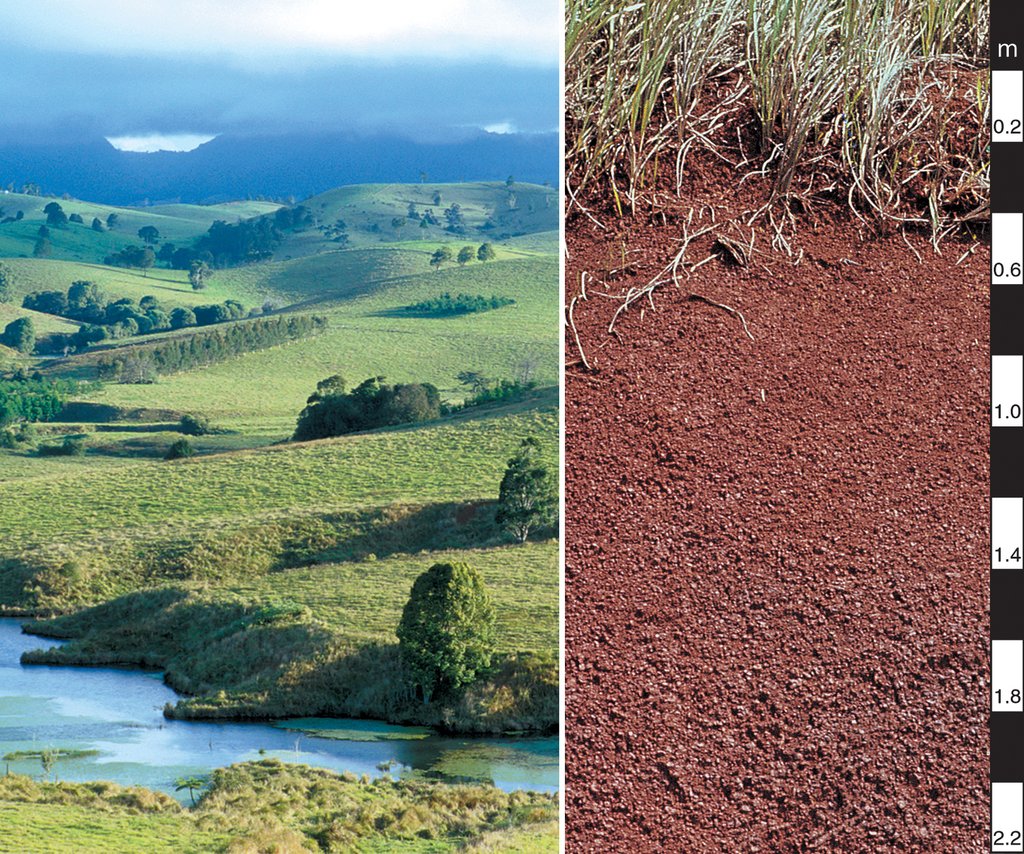
The researchers report that at the highest concentrations both particle sizes raised two forms of nitrogen in the soil, ammonium and nitrate, along with the phosphorus available to plants. The microplastics had the stronger effect of the two. The soil's acidity and its salt content did not change detectably, and neither did the plants' height, mass or leaf chlorophyll.
Those shifts showed up only at the top of the dose range, which the paper says corresponds to heavily contaminated soil. On that basis the authors conclude that the effects depend strongly on how much plastic is there, and that soil nutrient readings are a more sensitive sign of contamination than short-term plant growth under controlled conditions. They say it remains to be determined whether nutrient changes come before plant responses under longer exposure, or in a field rather than a pot.
The work was funded by the UKRI Global Challenges Research Fund, and the Sri Lanka Institute of Nanotechnology provided the laboratory facilities.
Sources
- Microplastics and NanoplasticsPeer-reviewed