Food Wrappers and Fishing Rope Turn up on the Floor of an Argentine Deep-Sea Canyon
A robot submersible recorded 29 pieces of litter on the floor of the Mar del Plata Submarine Canyon off Argentina, between 1,120 and 3,820 meters down. The survey was published Sept. 16 in PLOS One, and its authors call it the first characterization of deep-sea litter in the canyon.
Valeria Teso of Argentina's Museo Argentino de Ciencias Naturales and colleagues present the study as baseline data for a region that has almost none. The canyon is land-detached, sitting offshore with no connection to the continental shelf. Canyons of that kind have drawn little attention as litter traps, on the assumption that coastal trash never reaches them.
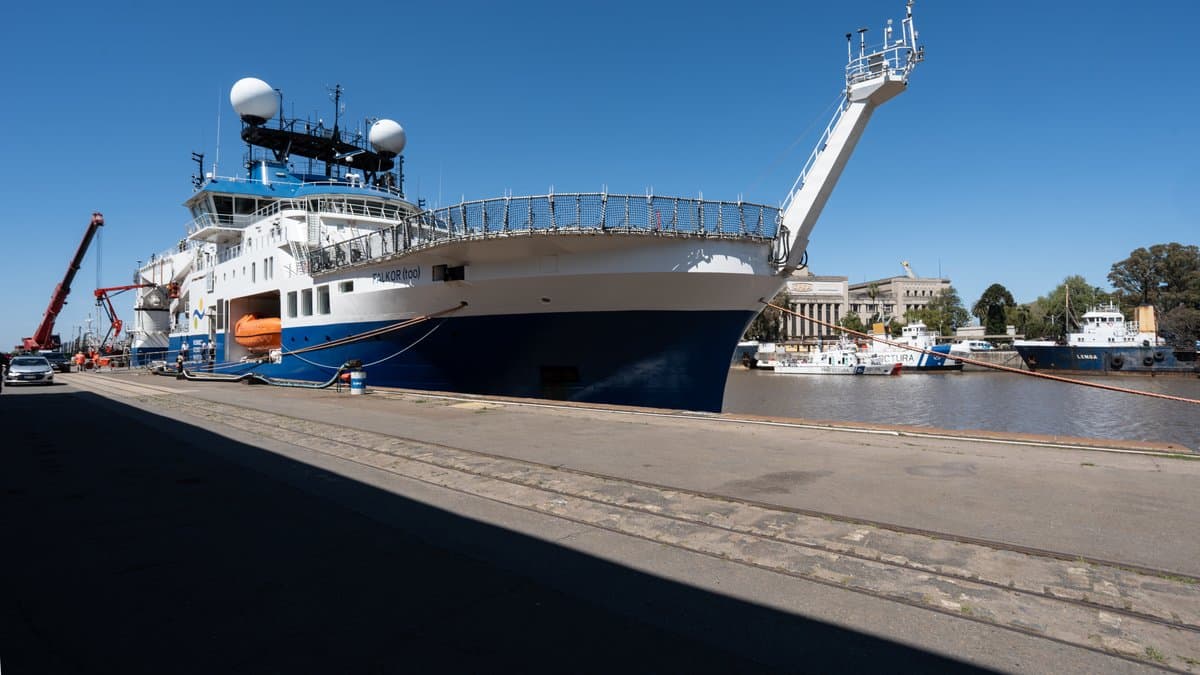
The count comes from 240 hours of video shot in July and August 2025 from the research vessel Falkor (too). All but two of the items were plastic: bags and sheets, food wrappers and fishing lines, ropes and cables. Most lay inside the canyon, in small clusters along its axis and walls.
Animals were on seven of the items: sea stars, brittle stars, worms and corals, mostly on partly buried plastic and tangled fishing gear. The authors write that this should not be read as litter being a useful part of the deep-sea ecosystem, only as a sign that artificial material gets drawn into processes that were there before it.
The team attributes the debris mainly to maritime activity, above all fishing, based on the types of debris and their locations. The count is also only what the cameras saw, since a video survey misses small, buried or obscured pieces. Along one dive track, the litter worked out at fewer than three items per kilometer, well below the densities reported for canyons that cut into the shelf near populated coasts.
The underlying video analysis is publicly accessible: the Schmidt Ocean Institute, which funded the expedition, streams its dives on YouTube.
Sources
- doi.orgPeer-reviewed