Carbon Made in the Arctic Ocean Carries Far More Pollution Than Carbon From Land
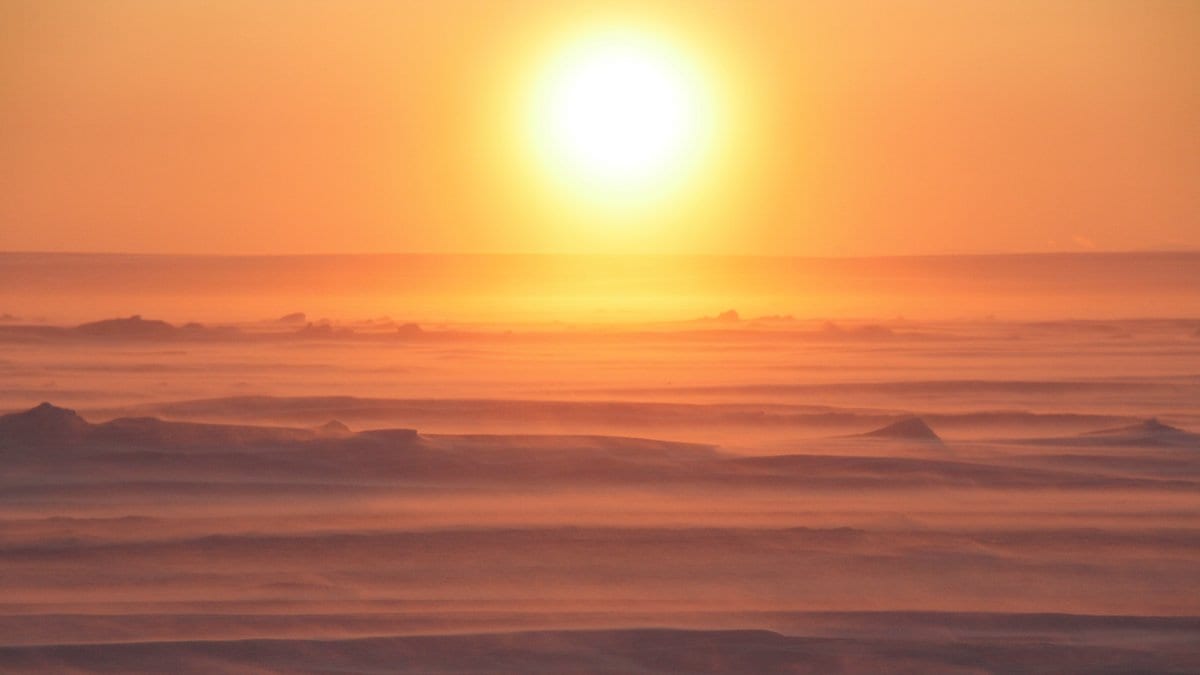
Xiaodi Shi, Anna Sobek and colleagues at Stockholm University report that polychlorinated biphenyls, or PCBs, reach concentrations up to ten times higher per unit of organic carbon produced in the sea than per unit of organic carbon that came from land. The comparison comes from surface sediments sampled across the Eurasian Arctic shelves, and the study was published Oct. 23, 2026, in Nature Communications.
Work on where such contaminants end up usually treats the ocean's organic carbon as a single uniform material that pollutants stick to. The new paper reports that both how much carbon there is and what kind of carbon it is control how much contaminant the seafloor takes up.
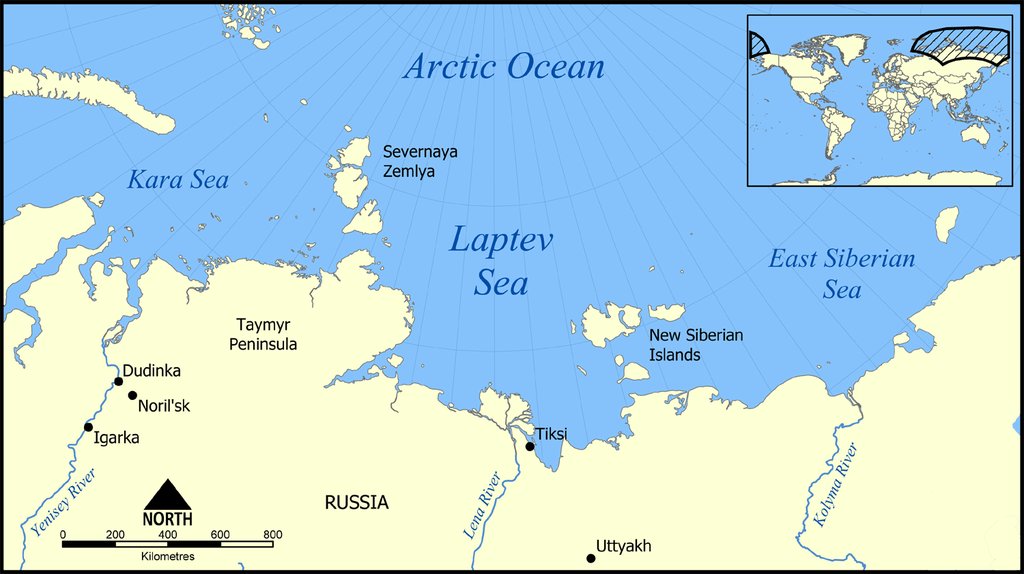
Shi and colleagues then fed those measured relationships into a model of the ocean's chemistry and biology. In the model, climate-driven increases in marine primary production, the plankton growth that supplies the sea's own organic carbon, remove 1.3 times more contaminant from the water column. That figure is a model result built on the sediment measurements, not an observed change.
The authors conclude that shifts in the ocean's carbon cycle as the Arctic warms may reshape where these pollutants end up.
PCBs are human-made and persistent. They cling to organic matter rather than dissolving in water, so sinking particles carry them down into the seafloor. The paper is open access. The work was funded by a Horizon Europe Marie Skłodowska-Curie fellowship, by Germany's Federal Ministry of Education and Research through its nuArctic project, and by Stockholm University's Department of Environmental Science.
Sources
- Nature CommunicationsPeer-reviewed