Even Ending New Ocean Plastic by 2050 Would Not Stop Microplastic
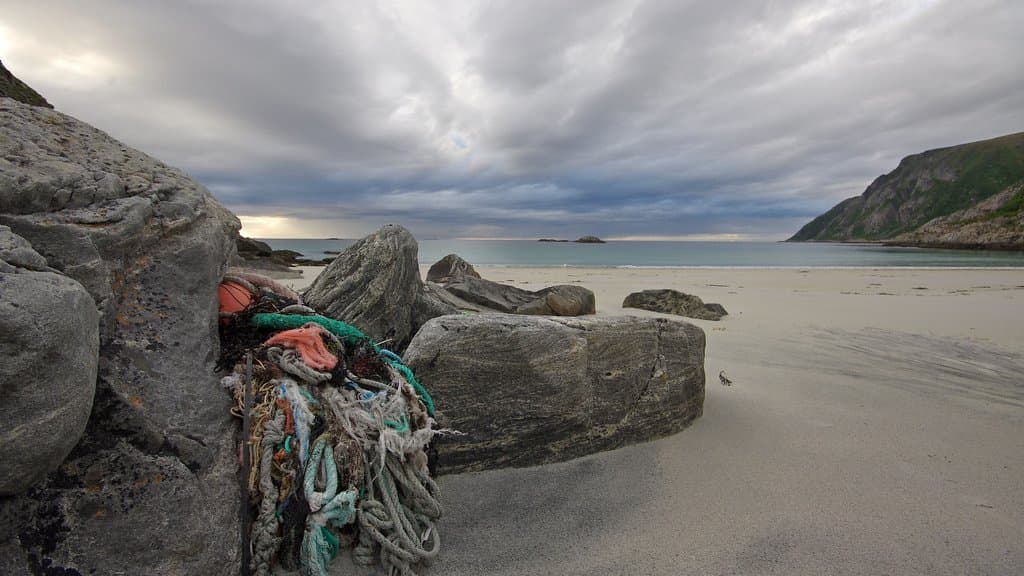
Stopping all new plastic from entering the ocean by 2050 would still leave microplastic accumulating in it, a modeling study published Sept. 12 in the journal Communications Earth & Environment reports.
The study, led by Takuro Uehara of Ritsumeikan University in Japan, set out to calculate the physical and economic effort needed to clear floating plastic debris out of the ocean by that date. Economic research has skipped that question, because it leaves out how debris moves between shoreline, coastal water and the open sea, and how it breaks apart on the way.
Uehara and colleagues built a system dynamics model, a simulation of how material flows over time, covering the breakdown, transport and cleanup of large plastic items and the microplastic they shed across shoreline, coastal and offshore zones. Scenarios in the model varied how fast new waste input is cut and how hard cleanup is pushed.
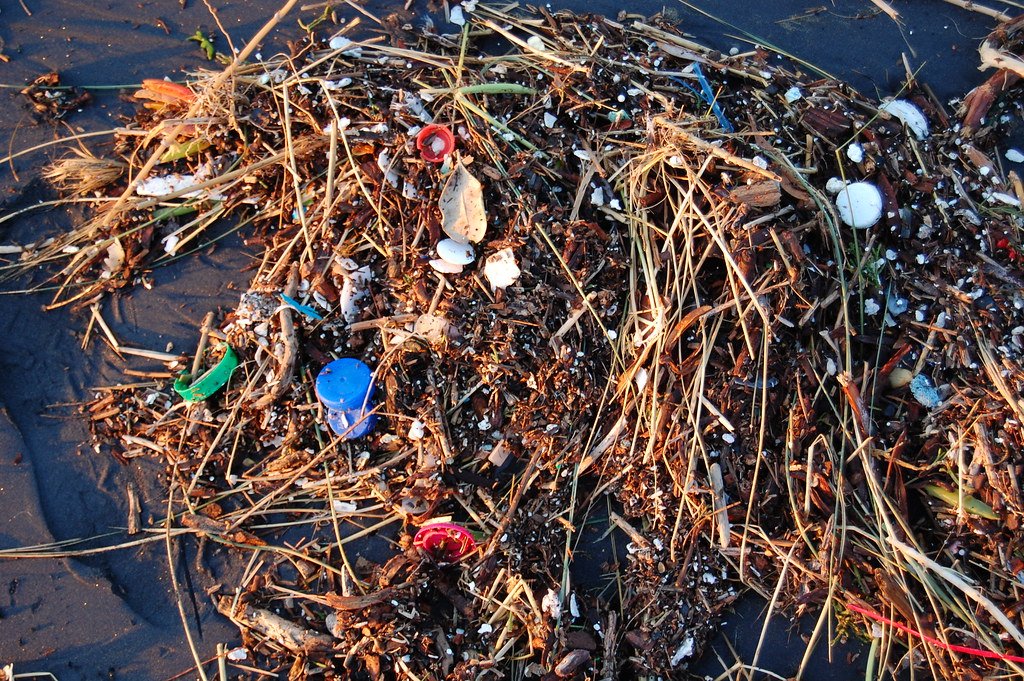
Halting new marine plastic inputs by 2050, the target set out in the G20 Implementation Framework for Actions on Marine Plastic Litter, and removing the floating debris already at sea may still not prevent what the study calls substantial microplastic accumulation. Speeding up cleanup lowers the amount of microplastic generated, at a higher cost. Those are outputs of a model, not measurements of the sea.
The team puts annual cleanup costs at between €0.1 billion and €5.6 billion, which it gives as 0.3% to 15.7% of national pollution abatement budgets. Part of that range comes from an interested party: the paper credits Arjen Tjallema of The Ocean Cleanup with supplying the data and explanations used to work out offshore cleanup costs, and discloses that its last author, Laurent Lebreton, is employed by the organization.
The paper is open access. The work was funded by a Japanese Grant-in-Aid for the promotion of joint international research.
Sources
- Peer-reviewednature.com