El Niño Cut Indonesia's Fire-Season Rain by About Half, and Warming Added the Heat
The World Weather Attribution group reports that human-caused climate change added about 1.6 °C to the temperatures of western Indonesia's August-to-October 2026 fire season and that the El Niño under way at the time cut the season's rainfall by about half. Scientists in Indonesia, the United States, the Netherlands, Sweden and the United Kingdom published the analysis Nov. 12, 2026.
The authors say they set out to measure how much human-caused warming changed the likelihood and intensity of the weather present while the fires burned. In the group's account, Indonesian fire weather is becoming more predictable because El Niño and warming push it the same way, which the group presents as an opportunity for earlier risk reduction. The rapid study sits on the group's own site and has not been peer-reviewed; the multi-method attribution protocol behind it has been.
Three regions on Borneo, Sumatra and Java make up the analysis. It takes three measures: rainfall and temperature across the season, and short bursts of hot, dry air, the conditions that most often let a fire start. For those bursts, the group puts the effect of human-caused warming at about three times more likely and the separate effect of the continuing El Niño at about five times. It calls both figures conservative because the estimate keeps models that represent the El Niño index poorly.
El Niño dominates the rainfall side of the result, the group finds. Observations also carry an emerging drying effect from climate change, a reduction of about 15% in the season's rain, which the climate models do not reproduce.
By September 2026, the study puts the area burned nationwide at approximately 1.9 million hectares, which it calls one of Indonesia's worst fire seasons since 2015. Authorities had reported more than 400,000 respiratory infections associated with the fires by November 2026, with an estimated 12.5 million people exposed to haze across Indonesia, Malaysia, Singapore and Timor-Leste.
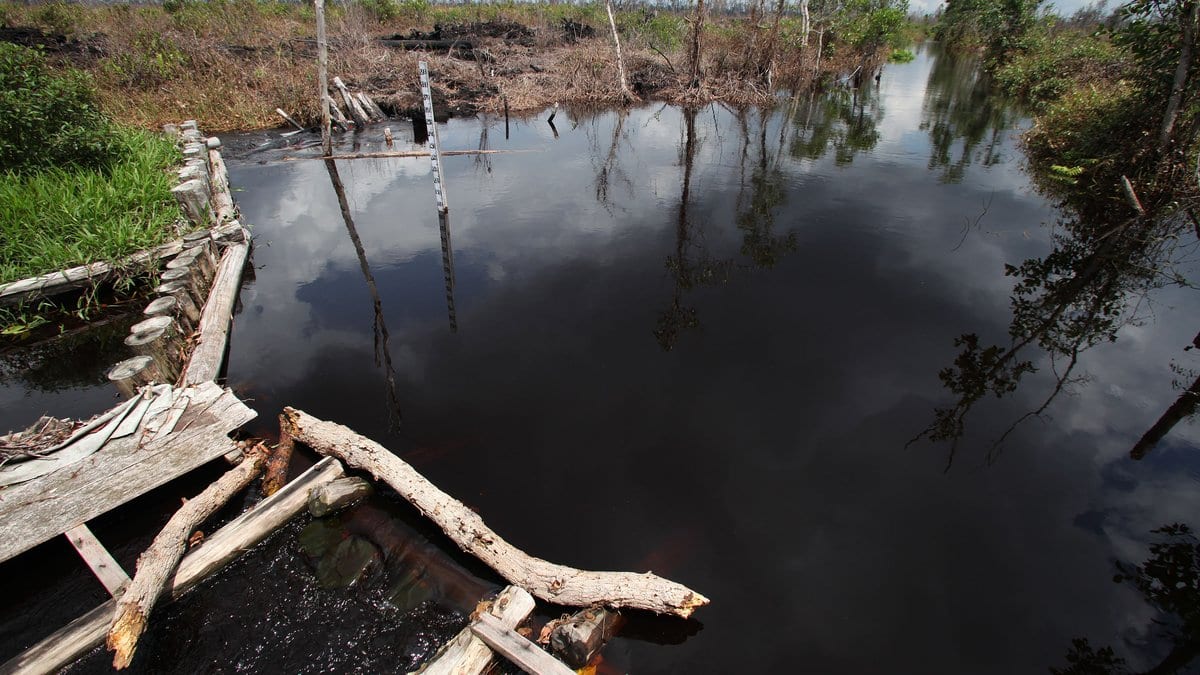
The analysis also sets the season against a slower change on the ground: logging and agricultural expansion have cut Indonesia's tropical and peat swamp forests, and draining peat dries carbon-rich soil that burns more easily.