Famines in Early Modern Europe Began More Often in El Niño Years
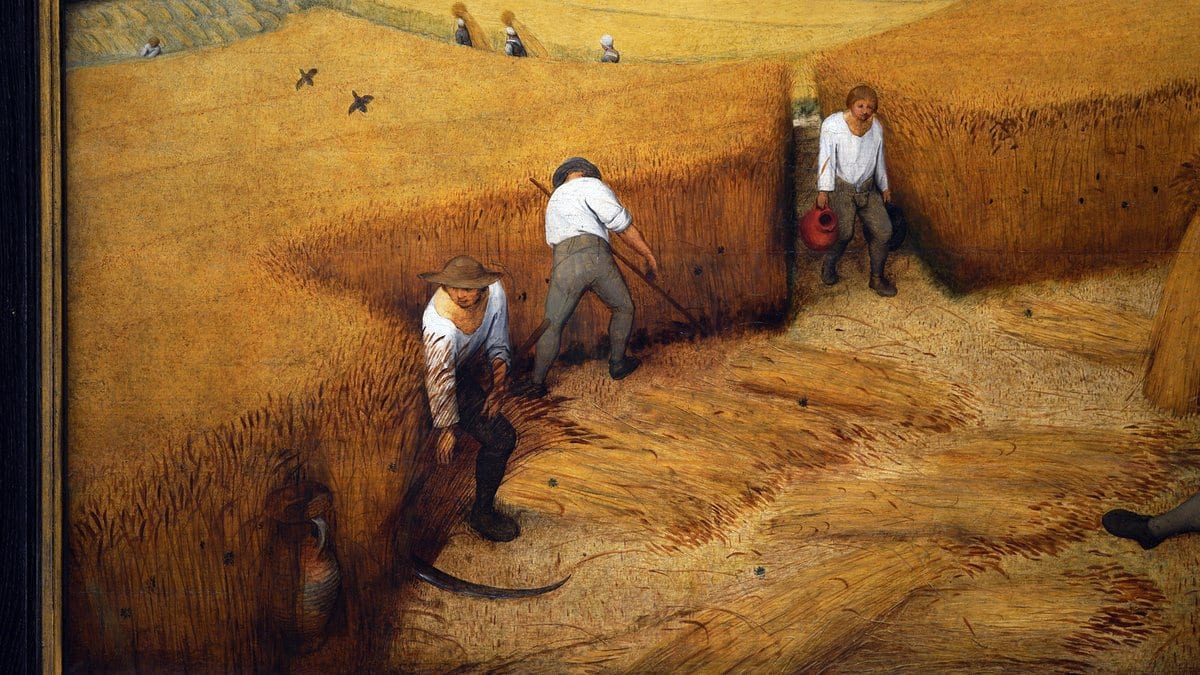
Climate scientists and historians have matched a tree-ring reconstruction of El Niño years against 160 recorded European famines between 1500 and 1800, and report that famines in central Europe began more often when the tropical Pacific was unusually warm.
The study was published Nov. 23, 2026, in Nature Food. El Niño's effects are usually studied in the tropics, and the authors say its role in early modern European food supply had been largely passed over. They write that the route from a climate shock to the price of food "remains operative today despite vastly different institutional and economic conditions."
Emile Esmaili of the Columbia Climate School, Andrea Seim of the University of Freiburg and colleagues report that in central Europe (the one region where the Pacific signal showed clearly in reconstructed soil moisture), more than 40% of famine onsets in their dataset were associated with El Niño events. Famines already under way were also harder to escape — a warm anomaly of 1 °C in the tropical Pacific during an ongoing famine cut the modeled chance of it ending by about 24%, across all nine regions in the dataset. These are statistical associations in a historical record, which the paper calls a "robust correspondence."
The team also traced a possible route from ocean to table. Warm Pacific years went with wetter spring and early summer weather in central Europe; rye and wheat harvests in the affected locations fell by 6.2% on average, and grain prices rose by up to 6.8% within a year. Fish prices rose later, with no matching change in recorded cod and herring catches, which the authors read as households turning to fish after poor harvests. No records of grain trade volumes survive for the period, so that part of the account rests on prices moving together rather than on recorded trade.
The famine chronology, assembled by historians from earlier lists, covers regions from Ireland and Spain to the Nordic countries and eastern Europe. It records which years a region was in famine, not how severe or widespread each one was.
Sources
- Nature FoodPeer-reviewed