A Season of Cold Water Failed to Arrive, and Panama's Anchovy Catch Collapsed
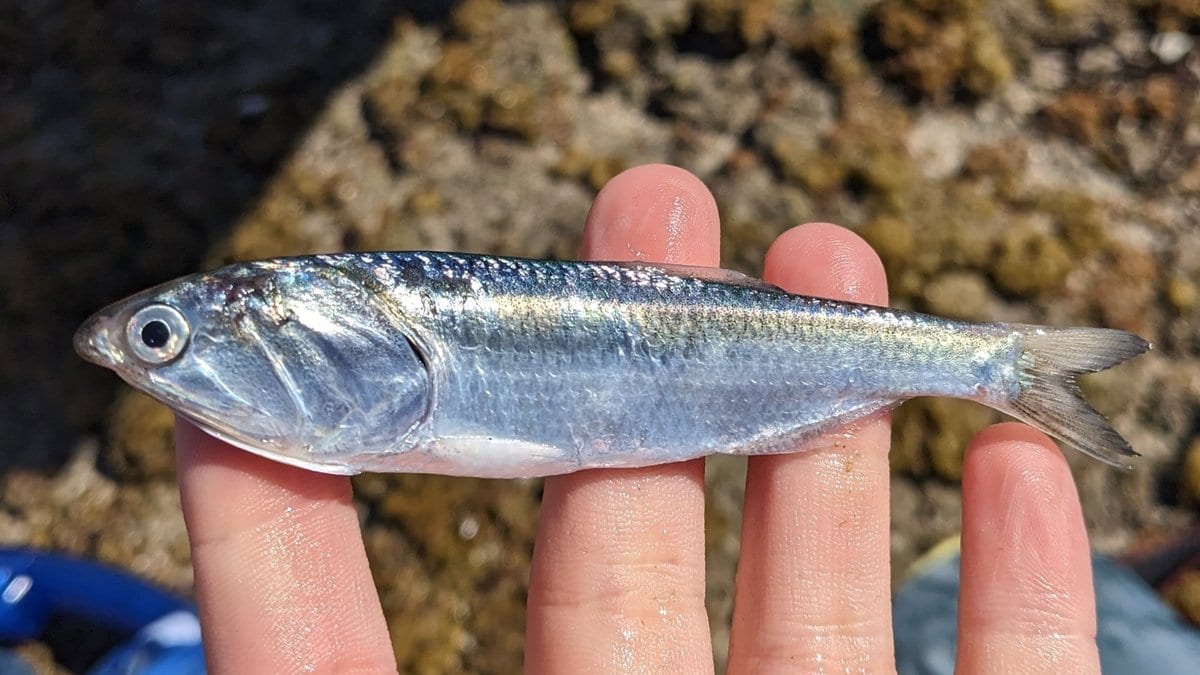
A team at the Smithsonian Tropical Research Institute reports that the Gulf of Panama's annual upwelling failed in 2025, and that the fishery it feeds collapsed within the same year. Industrial landings of anchoveta, the small schooling fish Panama's purse-seine fleet lives on, fell to 11% of the average. That is the lowest level since the fishery became fully exploited in 1966. Fish oil exports fell by 88% in both volume and value.
The authors write that the effects of one failed season reached international trade within months, and that seasonal upwellings of this kind are common across the tropics yet far less studied than the large systems along the western coasts of continents. Their paper was published Nov. 23, 2026, in Proceedings of the National Academy of Sciences.
The gulf's productivity runs on a seasonal wind pattern. Through the dry season the wind pushes surface water away from the coast and cold water, rich in the nutrients plankton need, rises in its place. In 2025 it did not. The team reports that net primary production, the rate at which plankton build new material, fell by 64% across the gulf. Anchoveta caught per purse-seine set dropped to under a third of the normal rate, while the total catch per set stayed inside its usual range. The fish that were landed carried about half their usual lipid content — the fat that fish oil is pressed from.
Ten researchers are named on the paper. The first author is Andrew J. Sellers, of the Smithsonian institute and the Max Planck Institute for Chemistry; the senior author is Aaron O'Dea, also at the Smithsonian institute, whose base is in Panama. The authors add that the very strong El Niño now under way makes the 2027 season more uncertain.
Sources
- Proceedings of the National Academy of SciencesPeer-reviewed