The Soil Association Is Removing Its Organic Label From Farmed Salmon
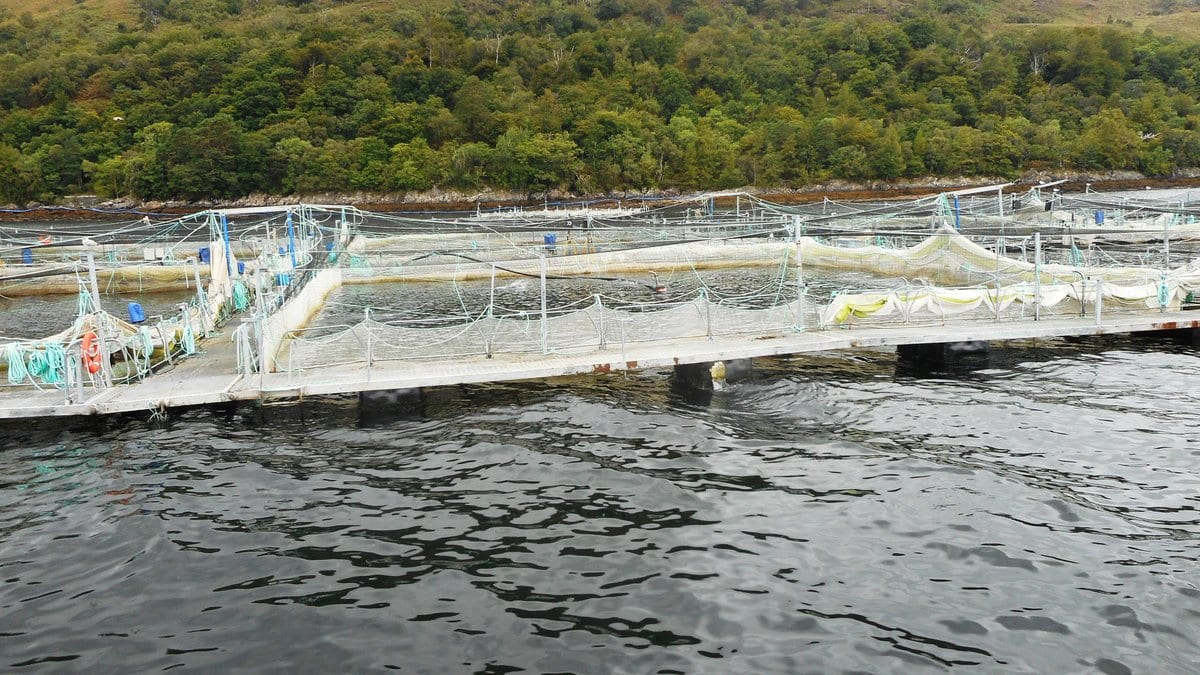
The Soil Association will stop setting organic standards for farmed salmon, ending more than two decades of work on them, after a review it ran over several years found high death rates on organic salmon farms.
The UK charity set out the decision in November 2026 in a statement on its own website. Its organic symbol will eventually come off British farmed salmon, but not at once. The charity says the withdrawal process begins in the coming weeks and that its logo will stay on salmon for some time, because processors need to change packaging and some products, such as tins, have long shelf lives. Organic standards written into law, known as the organic regulations, continue to exist, and the Soil Association's certification arm will honor existing contracts and certify to those regulations in the meantime.
The review drew on independent experts. It also heard from producers, scientists, policymakers, animal welfare groups and campaigners. The Soil Association says it found high levels of mortality on organic farms, with no confidence this could be resolved in a suitable timeframe. Deaths were often beyond producers' control, driven by rising sea temperatures that bring parasite outbreaks, blooms of micro jellyfish and disease. Proposals for new standards to monitor deaths and their causes would have taken several years to put in place. Feed was the other concern: organic producers must give salmon as natural a diet as possible, and the charity worried this leaned too heavily on wild fish stocks.
The charity says its standards are among the strictest in the industry and that they put practices into use on organic and non-organic farms alike, including stunning fish before slaughter and net cleaning that avoids chemical anti-foulants. On veterinary treatments, it reports that organic sites do well, with the most harmful ones banned and one permitted treatment, deltamethrin, used twice in the past two years.
The Soil Association's statement adds that withdrawing its logo does not mean walking away from the sector, and that it will carry what the review learned into international discussions on organic fish-farming standards.