At COP31, UN Agencies Ask Negotiators to Act on Forecasts Before Disasters Hit
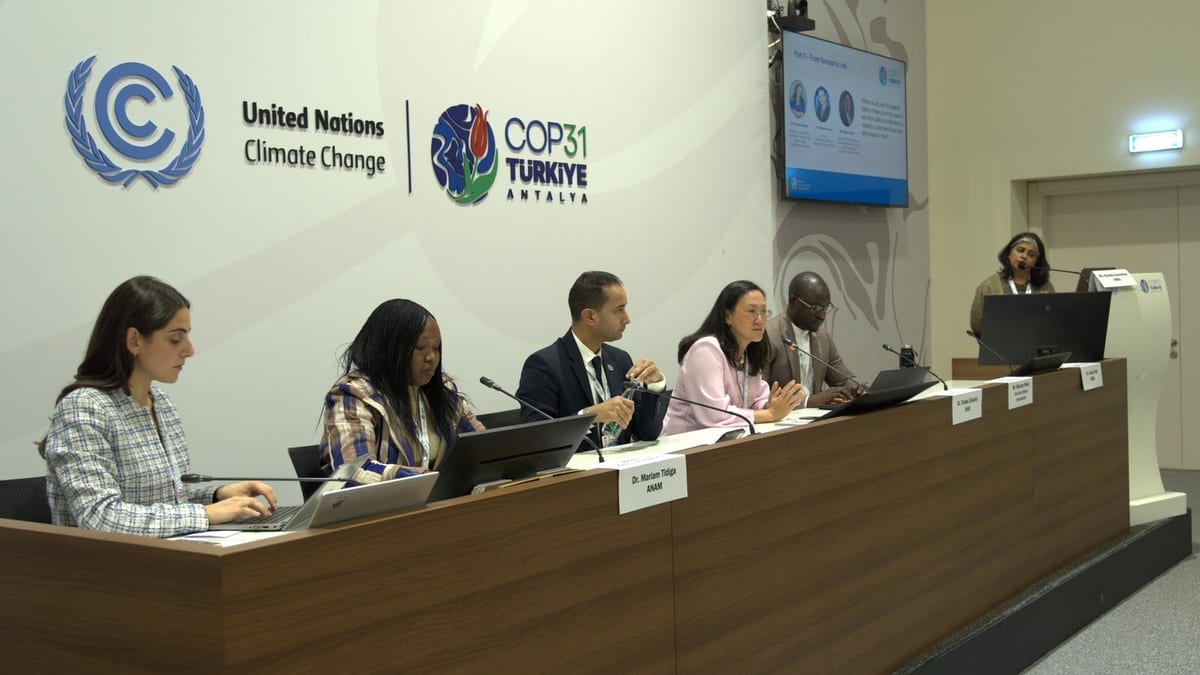
ANTALYA, Türkiye — United Nations agencies at a COP31 side event on El Niño asked negotiators on Nov. 10, 2026, to make acting on a forecast, before the disaster arrives, part of the climate talks, and held up a Philippine law as the model.
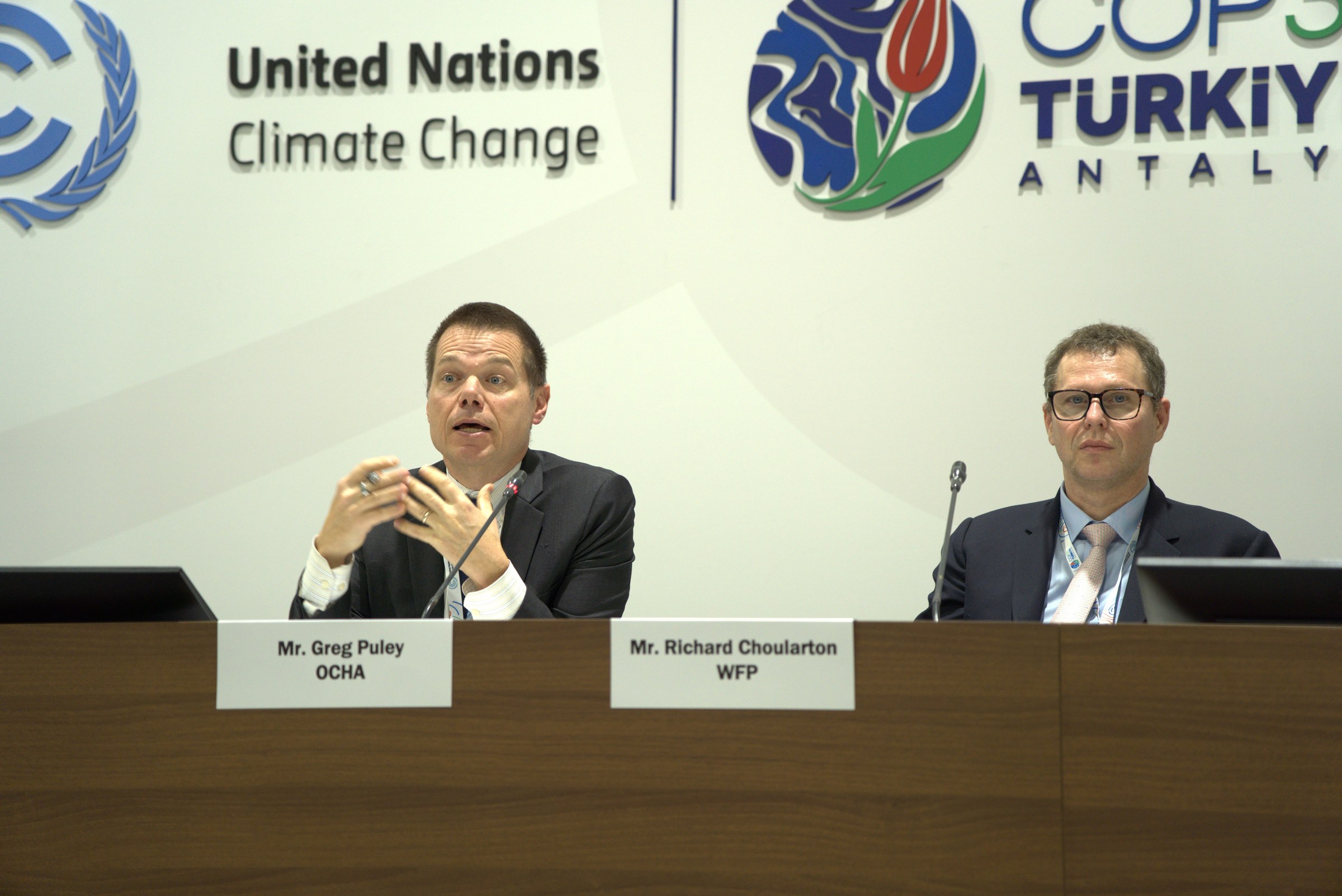
This is anticipatory action: aid and cash are released once a forecast crosses an agreed threshold, so that families can protect homes, animals and crops before a drought or a storm, not after it. The World Meteorological Organization's El Niño update of Sept. 3, 2026, put the chance that the current event lasts through February 2027 at nearly 100%.
Richard Choularton, the World Food Programme's director for climate and resilience, told the session that WFP's early warnings of food crises were good for years before it acted on them; in 2015, tired of seeing crises coming, it began pushing to act on forecasts. WFP says it now has anticipatory action plans in about 51 countries, with the money waiting on the trigger.
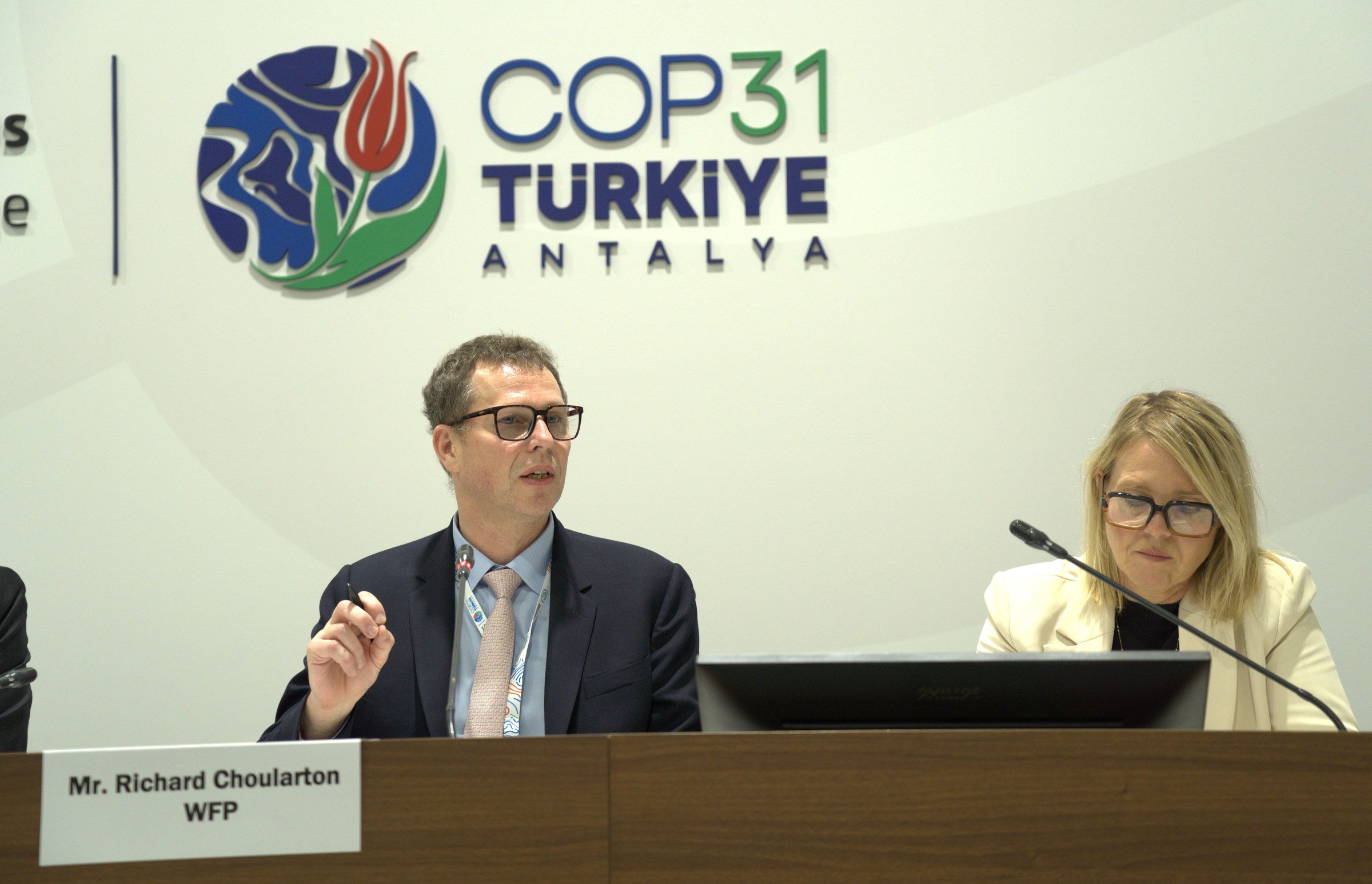
"The Philippines last year passed the first anticipatory action law of any country in the world," Choularton said. "And what it does is it requires local governments and the national government to take action." Republic Act 12287, the Declaration of State of Imminent Disaster Act, signed in September 2025, lets the president or a local official, on a disaster council's advice, declare an imminent disaster from a forecast and a risk assessment and release public money early. The U.N. humanitarian country team in the Philippines welcomed it as the first law in the world to institutionalize anticipatory measures. Choularton added that laws like this are "the kind of things that would be really wonderful for parties at COP31 to really reflect in the discussions here."
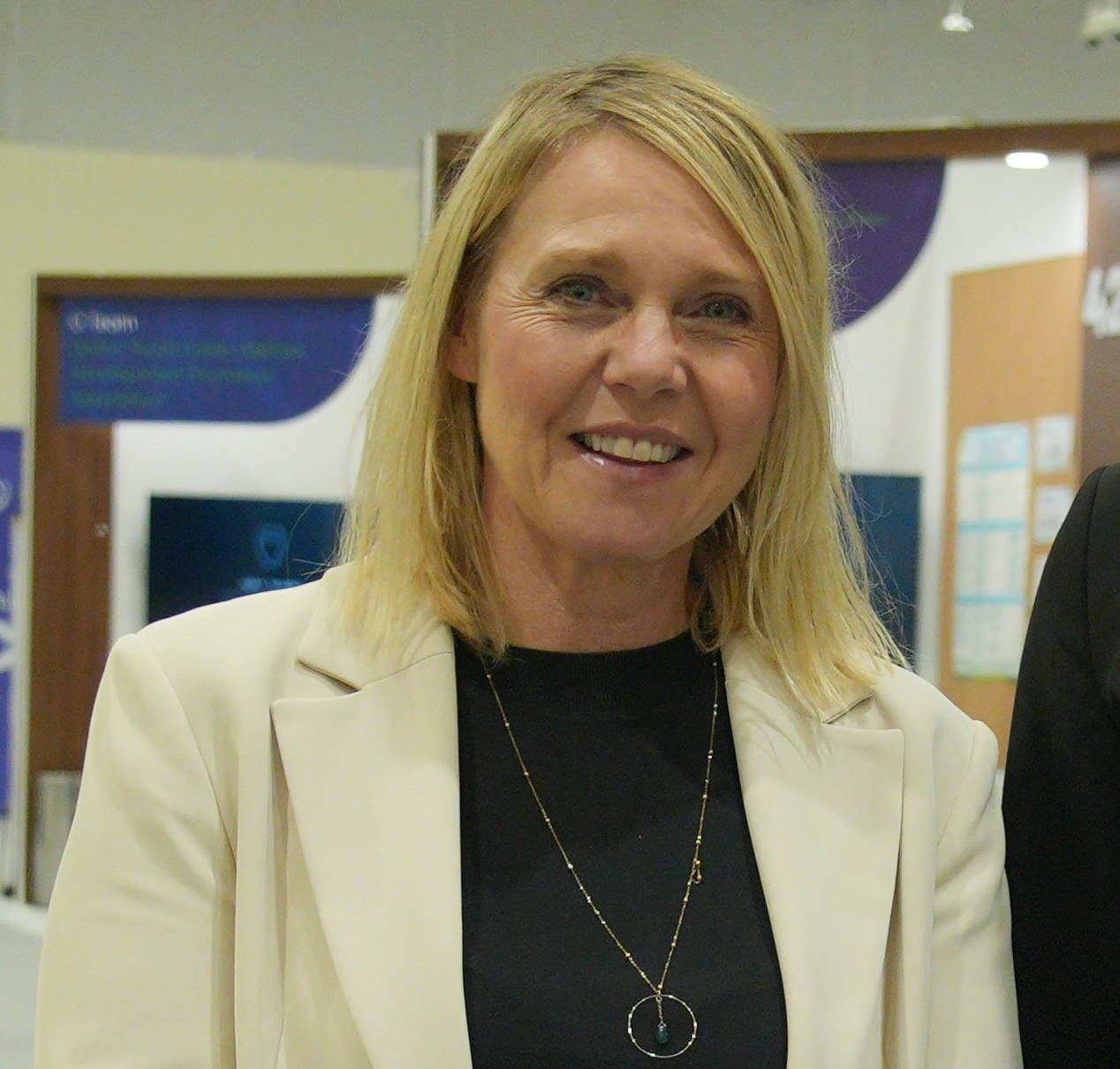
A warning still has to reach a person. Vanessa Gray, head of the climate and emergency telecommunications division at the International Telecommunication Union, told ALLATRA Media in an interview that 99% of the world's population is covered by a mobile network, but that many governments still do not use cell broadcast, a system that pushes an alert to every phone in a chosen area within seconds. "But today, again, only 38 countries in the world actually have set up this system," she said.
The case the agencies made in Antalya was that a forecast helps most when a government is already required to act on it.
Sources
 By Nika Kulpin and Andreja Jezernik