At COP31, an Ocean Fund Puts Atlantic Ocean Data Online for Anyone to Use
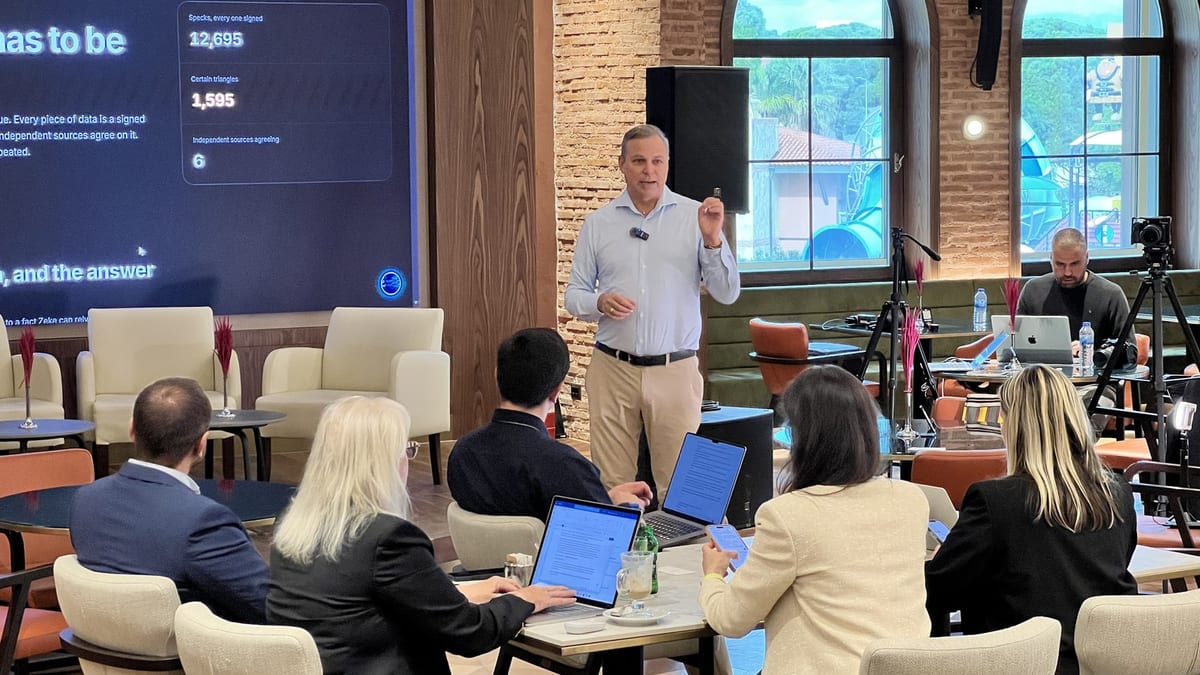
ANTALYA, Türkiye — The Ocean Climate Fund launched the Open Ocean Data Initiative on Nov. 11, 2026, during COP31, publishing Atlantic Ocean data that anyone can download for free. The data, the organizers say, are refreshed every Monday.
Stan Stalnaker, a founding director of Hub Culture, the fund's partner, presented the initiative at Hub Culture's Climate Campus in Belek, outside Antalya, standing beside a screen that showed the data on a live dashboard. According to Hub Culture, its software tests each reading against other sources until they agree; Stalnaker invited the room to bring in data of its own, so that it could be measured "against other data sources for certainty." The company says the data are meant for science, policy and investment.
Hub Culture's account of the day says the set holds "more than 113,000 readings from tide gauges, weather buoys and Argo floats across the Atlantic, drawn from 37 public sources and checked against independent ocean models." The export posted on GitHub the day before the launch holds more than 113,000 records, about 6,100 of them from tide gauges, buoys and drifting robotic Argo floats. Most of the rest are model output or pollution and industry records; the largest single source is the U.S. Environmental Protection Agency's register of industrial chemical releases. Of the 37 sources the file lists, 21 contribute records. It also carries coral bleaching alerts from the U.S. National Oceanic and Atmospheric Administration for nine Atlantic reef sites.
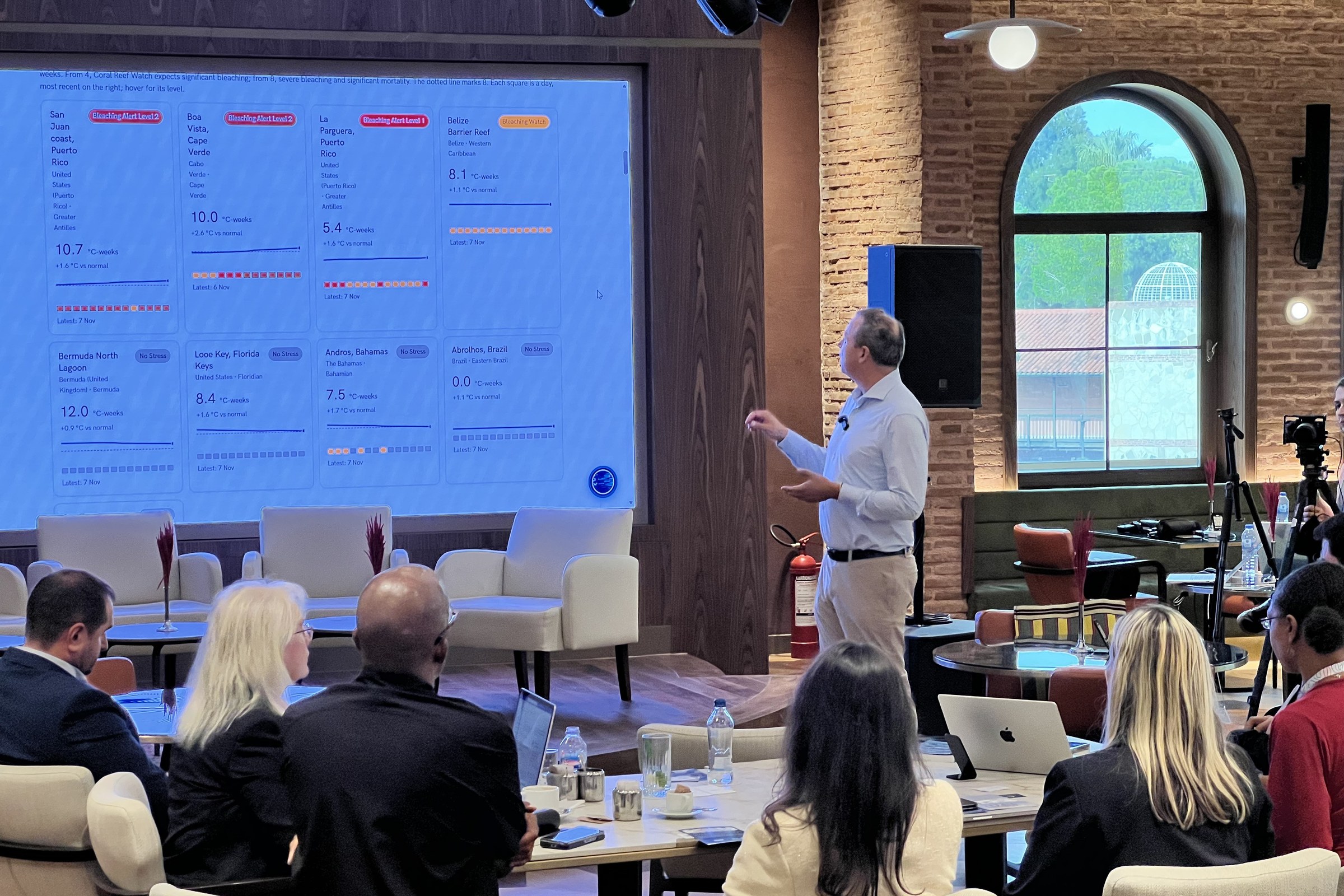
In a later session that day on AI and ocean data, Stalnaker, speaking for the fund, said it had spent six months collecting letters of no objection from governments, a step toward country-based climate funding, only to learn that it also needed a verified project. "And so we kind of decided that the more effective route for us would be to look at micro-funding initiatives, like essentially what we're doing," he said, adding that the fund had put in less than half a million dollars.

In the same session, Stalnaker proposed building an open-source registry for blue carbon credits as the next step, one that governments could join. Such credits are sold for carbon stored by coastal and marine ecosystems. By Hub Culture's account, the session ended with an outline for the registry: initiative data would check what is measured, and island and coastal governments would sign on to vouch for the credits from their own waters.
Sources
 By Nika Kulpin and Andreja Jezernik