At COP31, Atlantic Circulation Assessment Points to ‘Substantial Weakening,’ Not Collapse
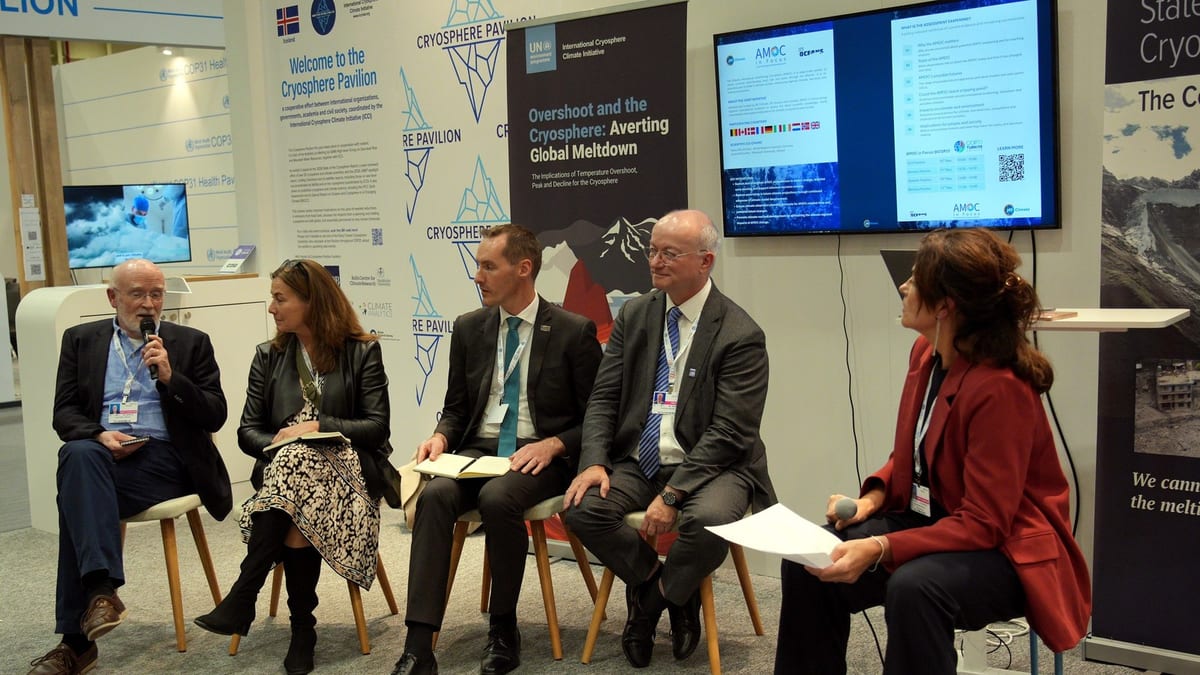
ANTALYA, Türkiye — The scientists leading a consensus assessment of the Atlantic's main current system said at a COP31 panel on Nov. 10, 2026, that their verdict is a substantial weakening, not a collapse. Under fast warming, one of them said, the weakening could exceed the last IPCC projection.
The assessment, AMOC in Focus, was commissioned by two European research-funding networks, JPI Climate and JPI Oceans, and covers the Atlantic Meridional Overturning Circulation (AMOC), the system of currents, including the Gulf Stream, carrying warm water north. Co-chair Hans-Otto Pörtner of Germany's Alfred Wegener Institute, a former co-chair of an IPCC working group, told the audience why a consensus matters: "We need this kind of consensus in order not to inform society with conflicting messages."

"We are not talking about an AMOC collapse, but we are talking about substantial AMOC weakening," Pörtner said. In the unpublished report's storylines with strong, rapid warming, he noted, the circulation would weaken by 60% to 70% by the end of the century, and perhaps 80% after that. He contrasted this with the IPCC's Sixth Assessment, which he said projected a weakening of about 30% by 2100. That report's central estimates for 2100 run from 24% under low emissions to 39% under very high emissions.

Gerard McCarthy, an oceanographer at Maynooth University and the other co-chair, said in an interview recorded for ALLATRA Media that the work involves 60 scientists from 14 countries. "We prefer to use the term substantial weakening rather than a collapse," he said, because winds keep part of the circulation moving.
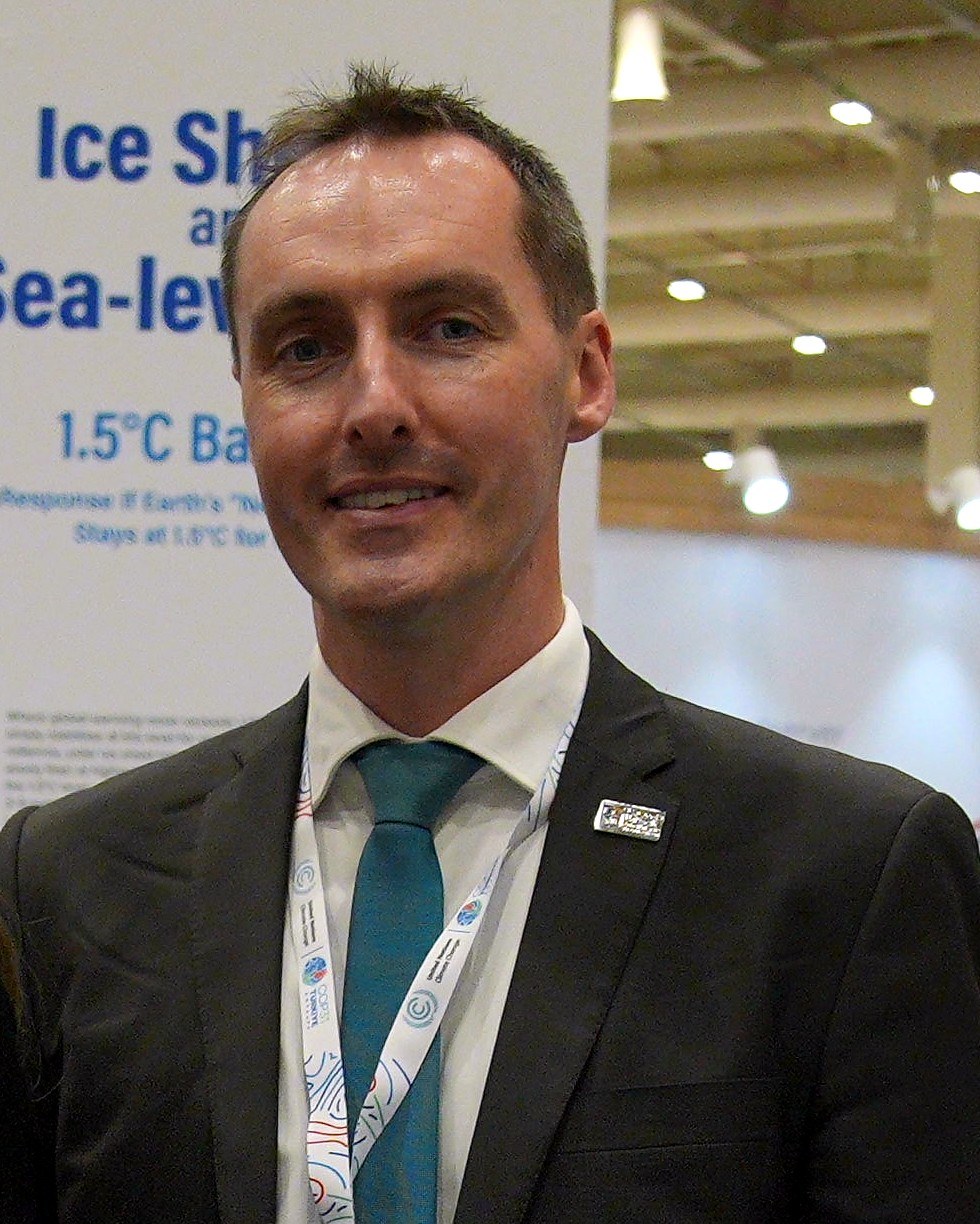
The popular picture of a sudden ice age, from films such as "The Day After Tomorrow," misses that "we're still in a warming world," McCarthy said, and any cooling would be local. A weaker AMOC would bring drier summers and more storms to northwestern Europe, he noted, and is linked to heat waves in central and southern Europe because "a colder Atlantic affects the jet stream." Its largest global effect, he added, would probably be a southward shift of the tropical rain belts and their monsoons.
Whether the weakening has begun is unsettled. "It's possible to show a statistical decline in one of the data series, but not in others," Pörtner said in a separate interview recorded for ALLATRA Media.
JPI Climate expects the report in early 2027 to say how far the circulation could weaken, whether a tipping point is near and how societies can respond.
Sources
 By Nika Kulpin and Andreja Jezernik