In the Sahel, the Rain Arrives Before the Water Does

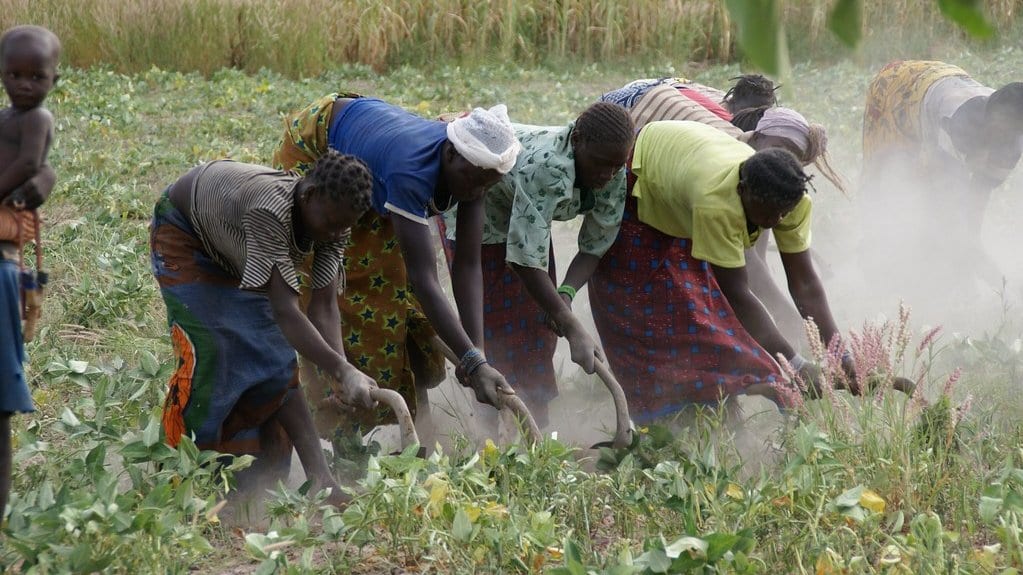
The rains come back to the Sahel in a handful of dramatic days. Storms build over the dry country south of the Sahara. The first heavy showers fall, and the season that feeds most of the region's farming is under way. Then comes the harder question, and it is the one a new study sets out to answer: when does that water actually reach a plant's roots?
Not at the same time as the rain, it turns out. Christopher Chalmers, Yan Zhang and Angela Rigden of the University of California, Irvine tracked the dry-to-wet turn of the season from 2003 through 2024. The study area is the dry belt between the Sahara and the wetter tropics. Across much of that belt, they report in the open-access journal Environmental Research Letters, the soil starts holding water systematically later than the rain begins.
The timing is not a calendar detail. How much water the soil holds during those transition weeks drives how productive the whole landscape will be for the season that follows. Farming in the Sahel is only the most direct case of that.
Two dates, then, and they are not the same thing. One is the date the rain arrives. The other is the date the soil turns wet enough for a plant to use. Each is defined in its own way, and the distance between them is what this work measures: a lag between the sky and the ground.
The second finding is about which way that lag is heading, and there is no single answer. Over the two decades the study covers, the trends in the two dates do not move together. They diverge in an east–west pattern: how the rain date and the soil date are shifting relative to each other depends on where along the belt you look. This is not one gap widening across the Sahel.
What helps explain the split is the air. Hot dry air pulls water back out of the ground, and the harder it pulls, the less of an early storm survives to soak in. To capture that pull, the team used the daily high temperature as a stand-in for it, inside a simple model of how soil gains and loses water. It is a stand-in, not a measurement of evaporation. Adding it alongside rainfall substantially improved the model's ability to reproduce when the soil turned wet. That helps explain why the two dates have been moving differently in different parts of the region.
The conclusion is worded carefully, and the wording matters. A stronger pull from the air (evaporative demand, in the field's language) can cancel out an increase in rainfall during the turn of the season, and delay the point at which water becomes available to plants. Can, not does. This is a statement about what the atmosphere is able to offset, not a finding that the Sahel is drying out.
The consequence lands on the region's farming, which is rainfed: it takes its water from the sky as it falls, with no irrigation behind it. A decision to plant on the first heavy rain is a bet that the ground below will hold that water. If the ground is running behind the sky, the bet changes.
The paper's own closing line goes no further than "potential implications for rainfed agricultural systems". That is the right size of claim for a study of regional trends rather than of single fields. What it does say plainly is that rainfall records alone are not enough to judge when the season has truly started. How hot and how dry the air has been over the same days shapes when water shows up in the soil, and across much of the Sahel, over the past two decades, it has been showing up late.
Sources
- Environmental Research LettersPeer-reviewed