Early Human Embryos Need One Chemical Mark to Switch Development Genes Back Off
Researchers tracking a chemical tag through the earliest stages of human development report that embryos need it to restore the gene silencing they strip away just after fertilization. Xiaoyu Hu, Wei Xie and colleagues at Tsinghua University in Beijing, with co-authors at Shandong University, published the work Oct. 19, 2026, in Nature Genetics.
The paper asks how human embryos rebuild H3K27me3, a chemical mark on the proteins DNA coils around, after erasing it across the whole genome in the first cell divisions. H3K27me3 is one of two marks the Polycomb group of protein complexes uses to hold developmental genes shut until a cell needs them. The authors write that how the mark returns, and whether Polycomb still regulates genes in human embryos at all, remain unknown.
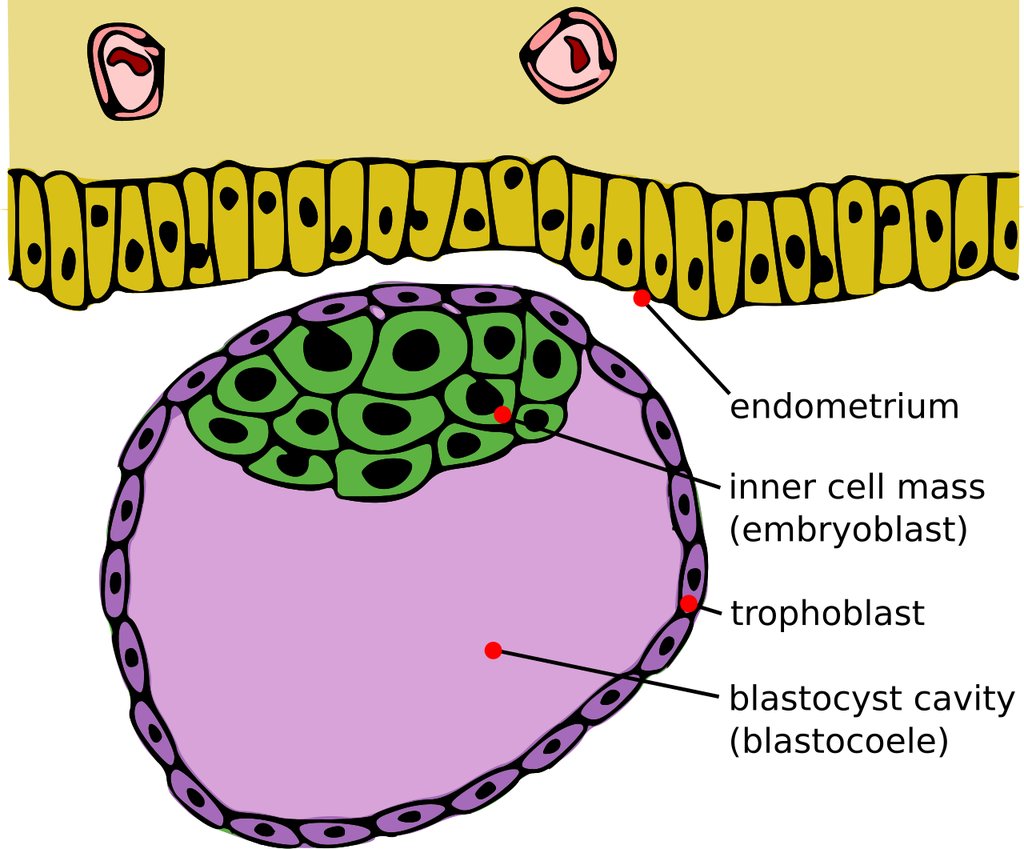
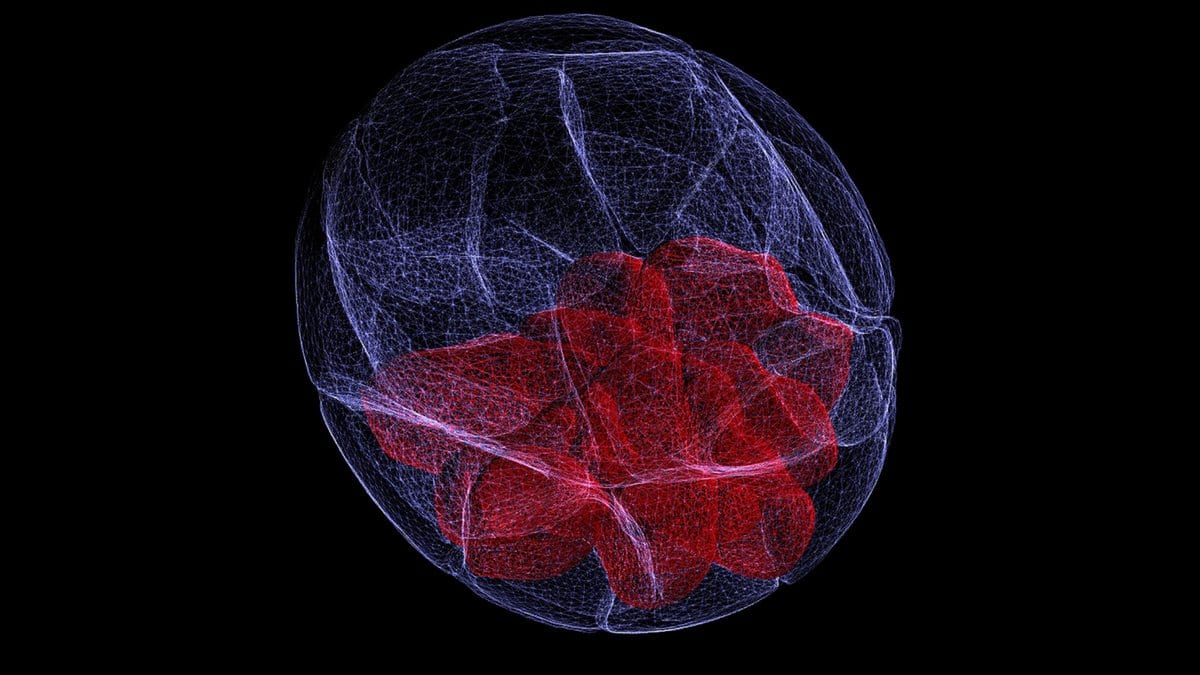
They profiled the second mark, H2Aub, in human eggs and sperm, in embryos up to the blastocyst stage (the ball of cells of the first days after fertilization), and in cultured human embryonic stem cells. The paper reports that H2Aub appears as early as the two-cell stage in GC-rich regions (stretches heavy in two of DNA's four bases), then builds up at both active and inactive genes, peaking at Polycomb targets later on. H3K27me3 lines up only weakly with it in eggs and two-cell embryos, but by the blastocyst stage the two sit together at inactive Polycomb genes.
The authors then removed H2Aub and report that this abolished the return of H3K27me3 at Polycomb targets. Genes that should have stayed off showed what the paper calls "moderate derepression." H3K27me3 turned up in places it does not normally occupy, and the embryos showed "impaired embryonic development." In the stem cells, the authors report, H2Aub and DNA methylation, a separate tag carried on the DNA itself, together keep H3K27me3 in its proper places.
The team concludes that H2Aub-dependent H3K27me3 deposition "underlies the earliest establishment of Polycomb repression in humans."
The paper lists funding from the National Natural Science Foundation of China and the National Key R&D Program of China, and deposits its sequencing data in the Genome Sequence Archive.
Sources
- Nature GeneticsPeer-reviewed