A Virus New to Europe Is Behind an Outbreak in German and Swiss Dairy Herds
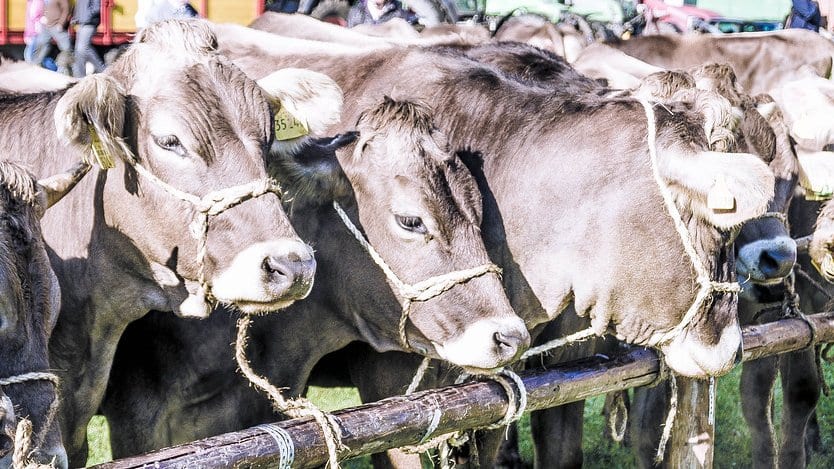
Scientists at the Friedrich-Loeffler-Institut, Germany's federal research institute for animal health, and colleagues have identified a previously unknown strain of Shamonda virus as the cause of an outbreak of illness in dairy herds in southern Germany and Switzerland. Their report states the virus had never been found in Europe before.

The outbreak is in cattle, and the report describes no human cases. For farmers, the finding unsettles an assumption about protection. Herds in the affected region widely carry antibodies to a close relative, Schmallenberg virus, and the authors conclude that this existing immunity does not give meaningful cross-protection against the new strain.
The dispatch was released Oct. 19, 2026, in the CDC journal Emerging Infectious Diseases. It describes cattle falling ill since mid-June 2026 with a sharp drop in milk production, diarrhea, fever and lethargy. More than 100 affected farms had been reported to the cattle health service in Baden-Württemberg by the end of July. In some herds every animal fell ill, and no deaths were reported. With temperatures running high, heat stress was the first explanation considered.
Tests had already excluded the region's usual suspects, among them bluetongue, Schmallenberg and West Nile viruses. A broad test for the Simbu group of viruses, to which Schmallenberg belongs, then came back positive on pooled blood samples from all four herds under investigation. Live virus grew in cell culture, and sequencing all the genetic material in the samples produced a complete genome. Its closest known match is a Shamonda virus isolated in Nigeria, sharing 93% of its genetic code in two of the three genome segments.
The authors call for monitoring of sheep, goats and free-ranging ruminants in the coming months, because several viruses in the same group infect a wider range of hoofed animals than cattle alone. They single out animals that were pregnant when infected: both viruses can cause severe birth defects when a cow with no previous immunity is infected early in pregnancy.
Ahead of its December 2026 issue, the journal published the dispatch and states that early-release articles are not final.
Sources

Medical Disclaimer: This content is provided for general informational and educational purposes only. It is not medical advice and should not be used as a substitute for professional medical advice, diagnosis, or treatment. Always consult a qualified healthcare professional regarding any medical condition, concern, symptom, or treatment decision.