When Nature Becomes Unfamiliar: The Rise of 'Novel' Ecosystems

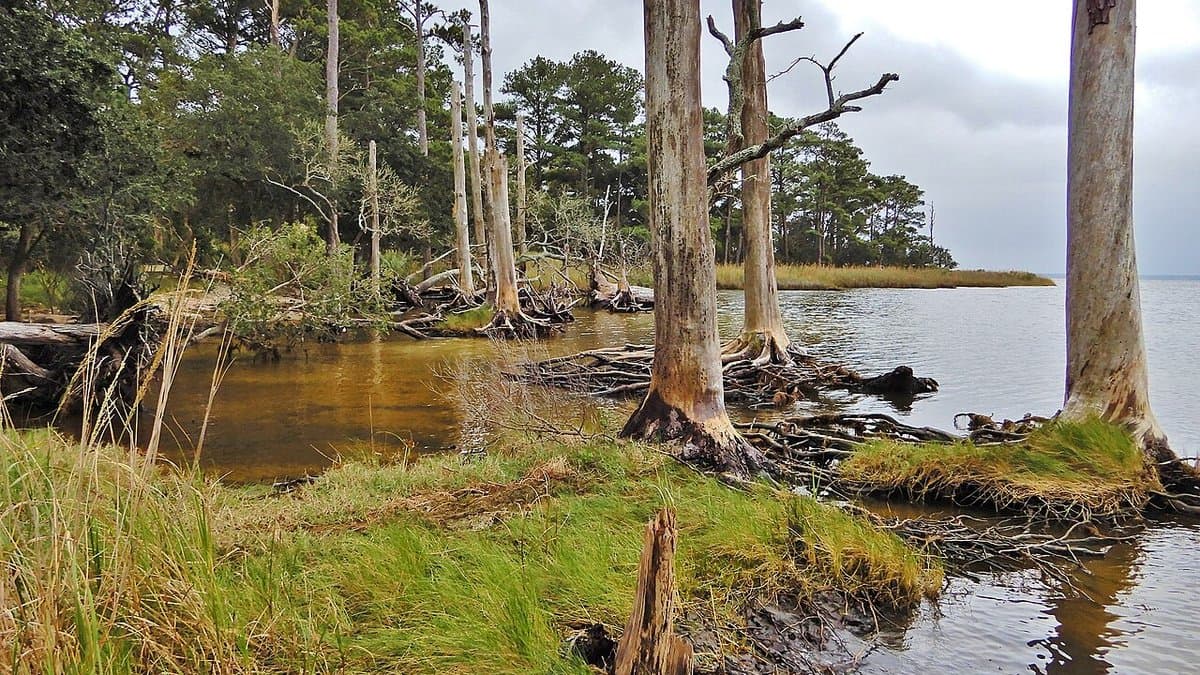
Picture a familiar landscape (a stretch of coast, a patch of forest, a wetland you have known for years), and then imagine it slowly filling with the wrong things. Species that were never there before move in. Old residents thin out or vanish. The temperature, the water, the timing of the seasons all drift. Nothing about it is quite natural, in the sense of matching any historical baseline, yet there it is, functioning, alive and increasingly common.
Ecologists have a name for this: ecological novelty. In a piece published on July 22, 2026, in Nature Climate Change, Wright, Govers, Higgs, Kerr, Teixeira and Heger argue that such novel ecosystems (assemblages of species and conditions with no precedent in the historical record) are no longer the exception. As the climate reshuffles where species can live and how they interact, novelty is on its way to becoming the norm.
It helps to be clear about what this piece is. It is a Perspective: an argument and a framing, written by experts, not a new dataset or measurement. Its contribution is a way of thinking, and the case it presses is as much about human responses as about the ecosystems themselves.
That is where the authors' central point lands. Faced with a changing ecosystem, the instinctive human moves are to restore what was lost or to resist the change and hold the line. The article argues those instincts can backfire. Pouring effort into recreating a past state that the climate no longer supports may be a losing fight, and treating every newcomer as an invader to be repelled can waste resources on a battle that cannot be won. Sometimes it can make the system less resilient, not more. Some novelty, they suggest, is worth accepting and adapting to instead of fighting.
None of this is a call to give up on conservation, and it is not a claim that all change is benign. Some novel systems are impoverished or harmful. The argument is narrower and more uncomfortable: that a reflexive defense of the familiar is not always the wisest response, and deciding which changes to resist and which to live with is now part of the job.
Because this is a viewpoint rather than an empirical finding, it belongs to a live and unsettled conversation among ecologists, not the last word on it. Related work (including other recent commentary and research documenting how widespread ecological novelty has already become) sits alongside it, sometimes in agreement, sometimes not. Read that way, the piece is a prompt and not a verdict: a call to decide, as the world keeps rearranging itself, which changes to resist and which to live with.