In Earth's Greatest Extinction, Metabolism Decided Who Lived and Who Died

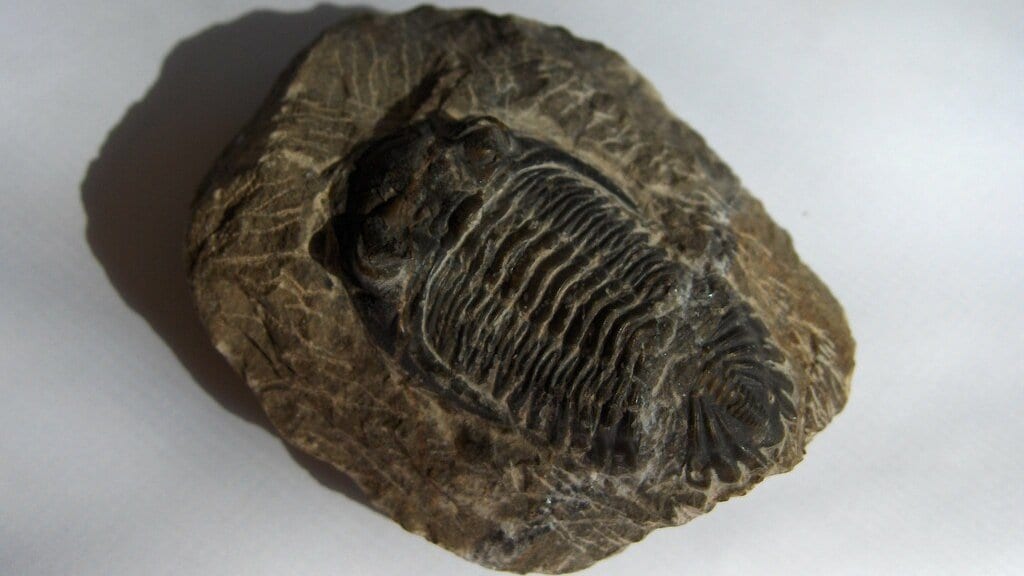
Two hundred and fifty-two million years ago, the oceans nearly emptied. The Permian-Triassic extinction (geologists call it the Great Dying, and the name is not hyperbole) erased something like 96 percent of marine species in a geological instant. Sprawling reefs went quiet. Whole body plans vanished. The survivors inherited a different ocean, and the shape of animal life that followed still bears the mark of who made it through.
The question that has long nagged at paleontologists is not whether the ocean turned lethal but why it played favorites. Some lineages were nearly annihilated; others limped through and went on to dominate. A new study led by Stanford's Jose Andres Marquez, with senior author Erik Sperling, offers a crisp answer: the dividing line ran through the animals' own metabolism (PNAS, 10.1073/pnas.2533086123).
The trigger was heat. Vast volcanic eruptions in what is now Siberia loaded the atmosphere with carbon dioxide, and the seas warmed sharply. Warmer water holds less dissolved oxygen. Worse, warmth speeds up an animal's metabolism, so the very creatures living in that oxygen-poor water suddenly needed more of it, not less. That squeeze, the study argues, is where the extinction did its sorting.
On the losing side sat much of the old Paleozoic guard: brachiopods, and stalked seafloor filter-feeders such as crinoids. These were animals built for a cool, sluggish, low-demand existence, with modest capacity to pull oxygen from the water and move it through their tissues. Their low oxygen needs allowed them to tolerate very low oxygen levels as long as the water stayed cool; as temperatures rose, their metabolism sped up, but their ability to take up and deliver oxygen could not keep pace. Crinoids and brachiopods were hit close to extinction.
On the surviving side were the ancestors of the "modern" fauna that rules the oceans now: mollusks, fish, echinoderms such as sea urchins. These groups tended to run faster metabolisms backed by better hardware: more muscular bodies, more efficient gills, circulatory systems that could keep tissues supplied even as conditions deteriorated. Roughly half of mollusk lineages, for instance, came through. As the Stanford University report published by Phys.org puts it, “The groups hit hardest were those whose metabolisms could least tolerate warm, poorly oxygenated water.”
The team reaches this conclusion by tying together the physiology of these groups with what the fossil record says about who died and who survived, testing whether tolerance to warming and low oxygen predicts the pattern of loss. It does. Ocean acidification, another consequence of all that volcanic carbon, appears to have played a comparatively minor role next to the twin blows of heat and oxygen loss.
The result helps explain one of the major transitions in the history of marine life. The Great Dying is the hinge between the Paleozoic ocean and the modern one; the metabolic filter it describes helps explain why the animals that inherited the seas were the more active, oxygen-hungry, better-provisioned kinds: the lineage that leads toward today's fish-filled oceans. A physiological bottleneck 252 million years ago helped set the cast of characters ever since.
The contemporary echo is hard to miss, and the authors do not force it. Today's oceans are warming and steadily losing oxygen as human carbon emissions accumulate, a slower version of the same physics that ran ahead of the Great Dying. This study is not a forecast. But it is a detailed record of what a warming, oxygen-starved sea does to the animals living in it, and which ones it leaves behind.