ULA Says Not Enough Fuel Reached Vulcan's Engines
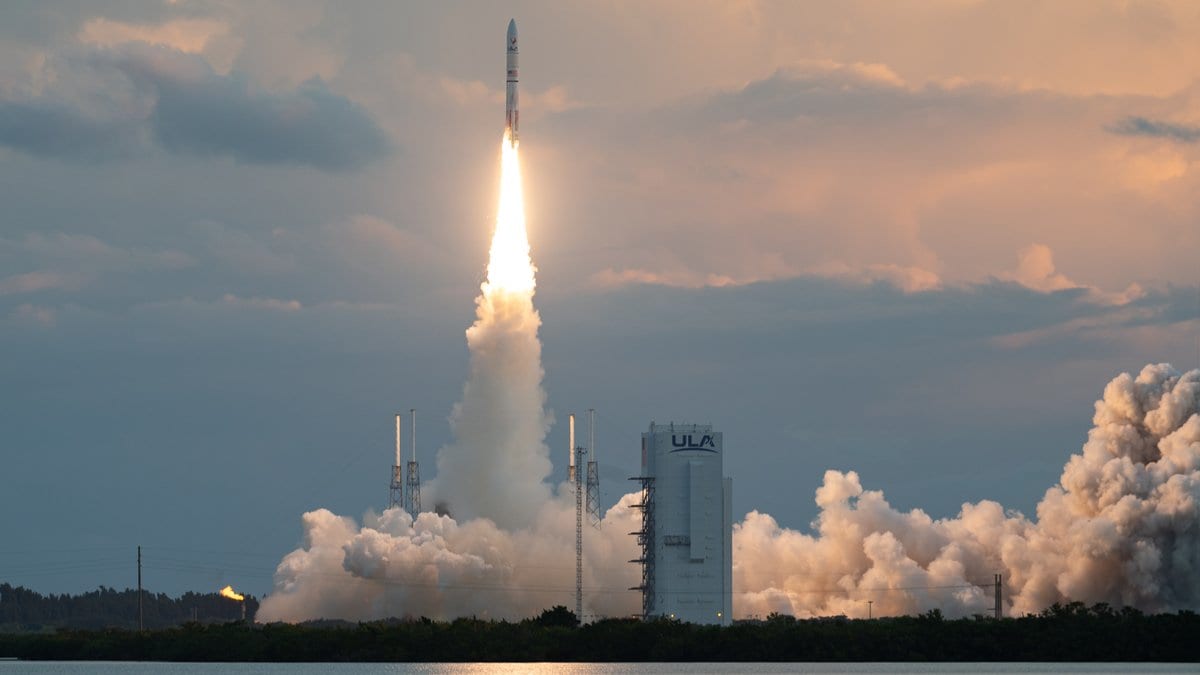
United Launch Alliance has completed an initial review of flight data from the Nov. 15, 2026, failure of its Vulcan rocket, and its first finding points to the supply of fuel to the engines, not to the engines' own performance. The company's update of Nov. 18, 2026, says: "While work remains to determine cause, preliminary indications are that the low booster thrust was the result of inadequate fuel supply from the vehicle to the BE-4 engines, not from the performance of the engines."
That narrows where the investigation is looking without settling it. ULA's running log of updates says that the company will work with its customer and other organizations to find the cause, decide on corrective action and return to flight as quickly as possible, and that the FAA will oversee the ULA-led investigation and approve ULA's final report, including any corrective actions.
The rocket lifted off with Amazon's Leo spacecraft aboard and did not reach orbit. ULA says that the rocket's data stream and the mission were lost about 10 minutes into the flight, and that early indications were of low booster performance just after liftoff, which left the two stages separating while the vehicle was low in altitude and below the speed needed to reach orbit.
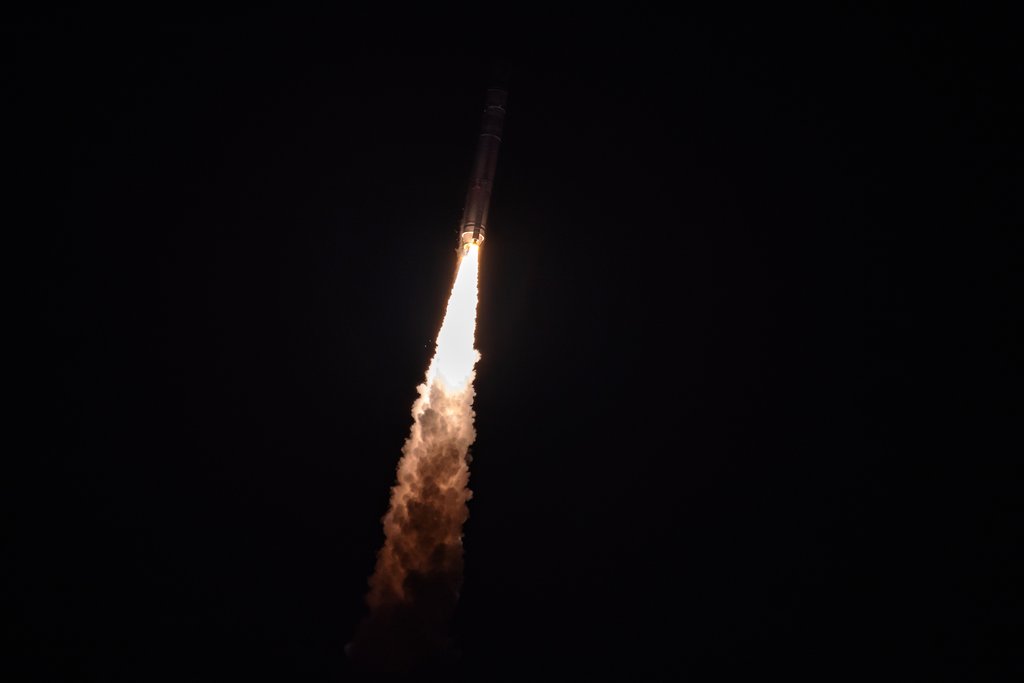
Two parts of the rocket worked as intended, by ULA's account — the second stage and the solid rocket booster. The second stage appears to have started normally, with its RL10 engines operating as planned, and was performing well but could not recover from the loss of performance. All indications are that the solid rocket booster performed as planned, after nozzle improvements made for this launch.
ULA has named no failed part and no stage. Its updates name the engines the fuel was meant to reach and not the part that was supposed to deliver it, and the company says the investigation continues.