Voyager 1 Reaches One Light-Day From Earth, and NASA Says Its Data Has Stopped
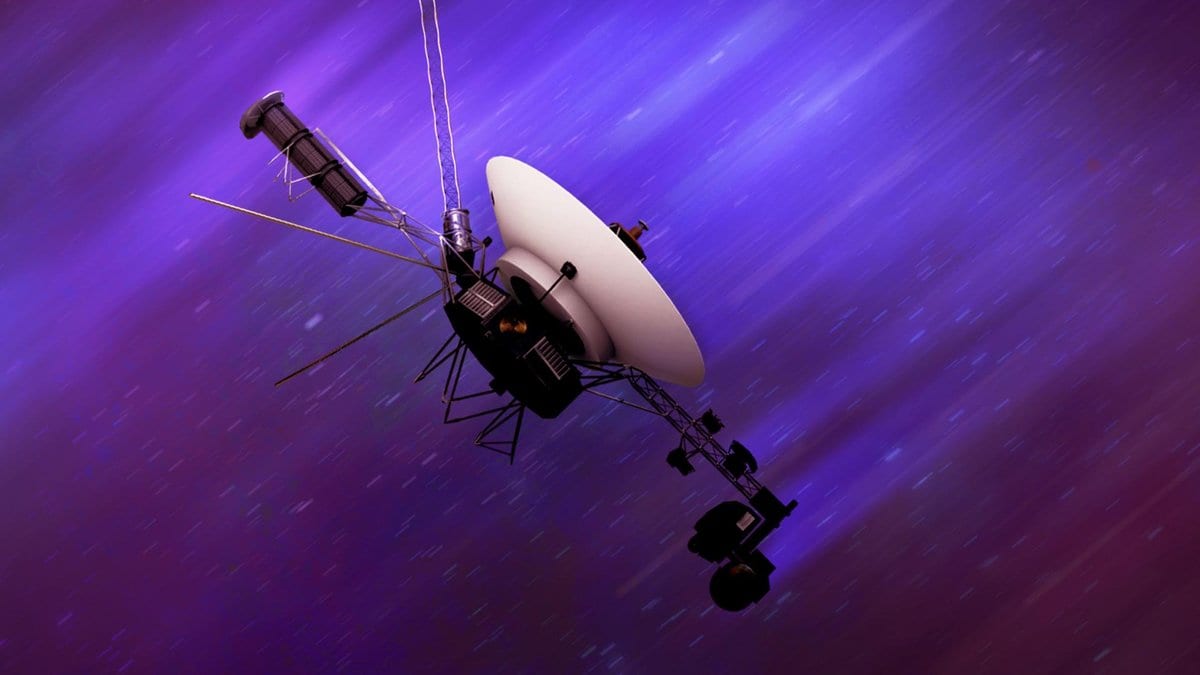
NASA says Voyager 1 has passed one light-day from Earth, roughly 16.1 billion miles (25.9 billion kilometers), and that the spacecraft has sent back no science or engineering data since Nov. 14, 2026. The mission plans to confirm the distance on Nov. 19, 2026, from the probe's carrier signal and trajectory calculations.
One light-day is how far light travels in a day, which is also how long a message takes to reach the spacecraft. A radio wave reaches Voyager 1 in 24 hours, and anything it sends takes another 24 hours to come back — a command and its answer sit two days apart.
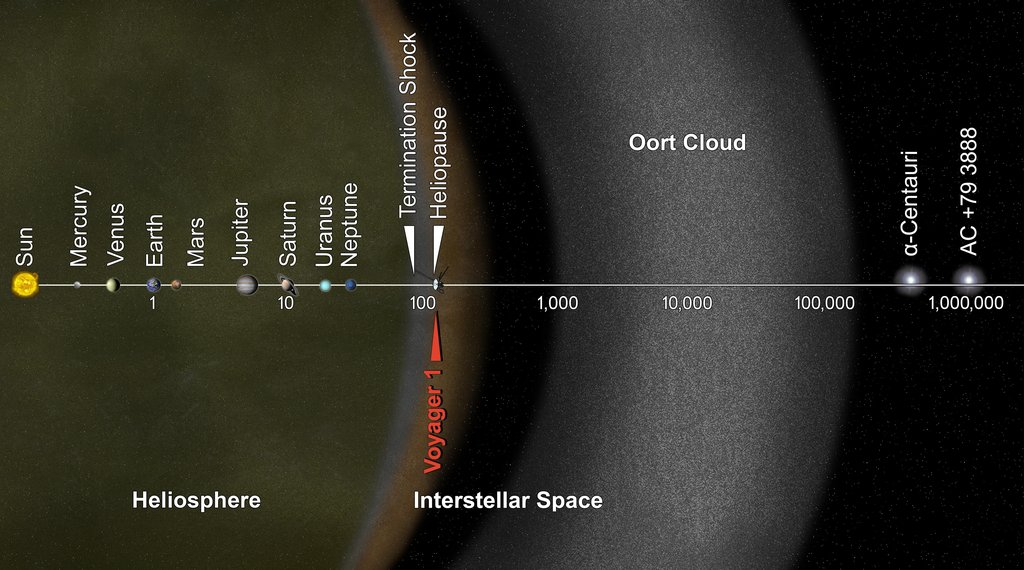
The team became aware of the loss after a Deep Space Network antenna in Canberra, Australia, locked onto Voyager 1 and picked up a carrier signal but no data. The carrier shows that the computer keeping the spacecraft pointed at Earth is still working, along with its antenna and broadcast equipment. NASA says the missing data suggests the problem is with the onboard computer that collects readings from the spacecraft's subsystems, including its science instruments, and formats them for transmission to Earth.
Engineers are working out the cause and the next steps. The agency expects diagnosis to take weeks or longer, because analyzing even a minor problem at that distance is slow.
Voyager 1 produced the same pattern in 2023 (a carrier signal with no data), which NASA traced to one of the onboard computers. The engineers who resolved it are drawing on that experience now. The team is also investigating whether the current problem is connected to a communications gap in October 2026, when the mission lost all contact for about 48 hours. The spacecraft resumed communication on its own and was operating normally until Nov. 14, 2026.
NASA says the distance itself is not in doubt. Voyager 1, launched in 1977, is moving away at a consistent, unchangeable speed on a known trajectory, so an engineering problem cannot affect when it crosses one light-day.