Earth's Lava Flow Software Now Models Water Eruptions on Titan
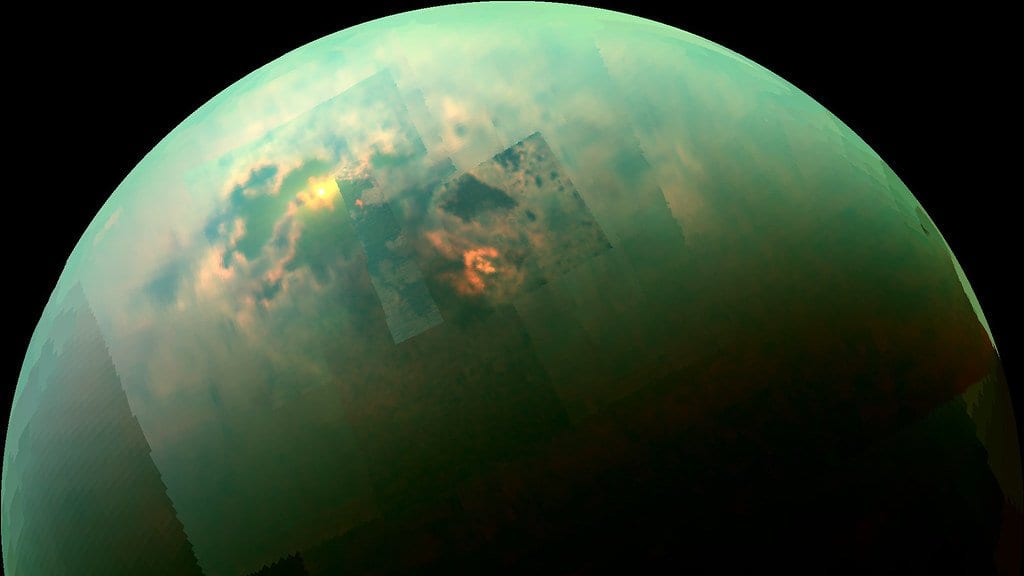
A modeling study has taken a method built to forecast lava flows on Earth and applied it to Titan, reporting that a water-rich flow on Saturn's largest moon would run several tens of kilometers and settle about a meter thick. Nothing has been seen flowing on Titan: the figures are a computer model's output.
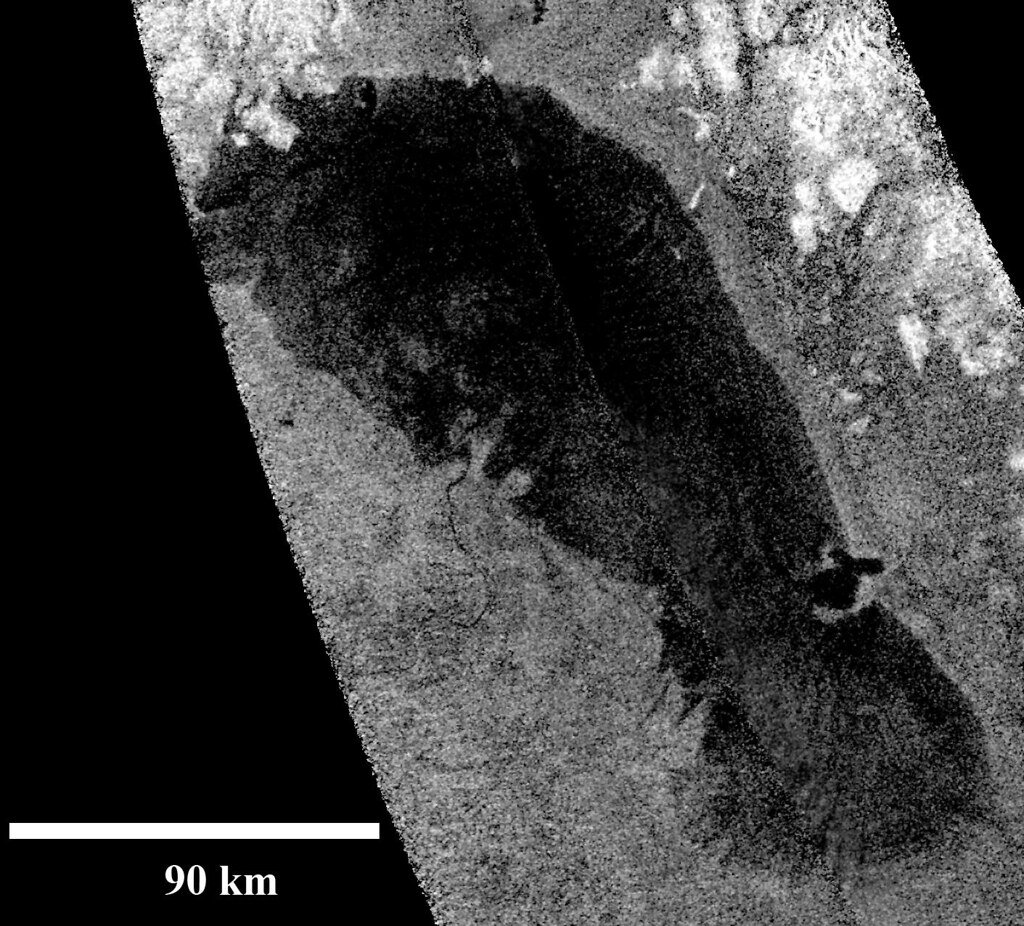
Daniel Cordier and colleagues say their aim was to work out how such flows would move and cool while keeping their simulated extents broadly consistent with the few observations that exist, and to test whether a flow could break down the organic material it crossed by reaction with water.
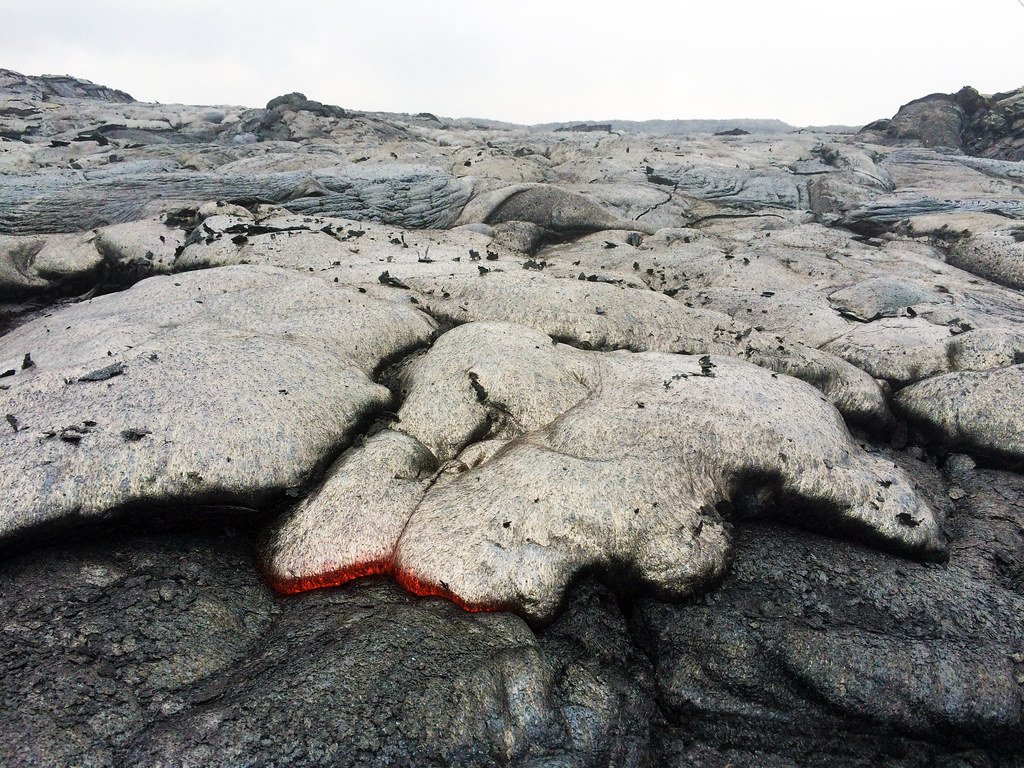
The paper describes a model that divides the ground into cells and passes fluid between them step by step, the technique used on Earth for lava-flow hazard maps. Within the range of conditions tested, a flow's reach is set mainly by the total erupted volume and by the shape of the terrain, while the fluid's resistance to flowing and how it holds heat affect both reach and cooling rate. The temperature of the mixture at the start of a flow is above 0 °C.
According to the paper, Titan's surface is young, less than a billion years old, and shows signs of material exchange with the interior. Cryovolcanism, the icy counterpart of a volcanic eruption, and meteor impacts are the candidate mechanisms, and the moon's internal structure makes a significant water content in any erupted fluid highly probable.
The model also predicts hydrolysis, the breakdown of a compound by water, between a watery flow and the organic matter likely spread across Titan's surface. That is a prediction of the model, not a measurement.
The study is a preprint accepted for publication: posted to arXiv on Sept. 30, 2026, it records acceptance in Icarus in its comment field, and that version has not yet appeared. The authors say their code, CALava, written in FORTRAN 2008, is publicly available, and that every numerical simulation in the paper is deposited on Zenodo.
Sources
- arXivPreprint