Chang'e-6 Samples Put the Moon's Largest Impact at 4.34 Billion Years Ago
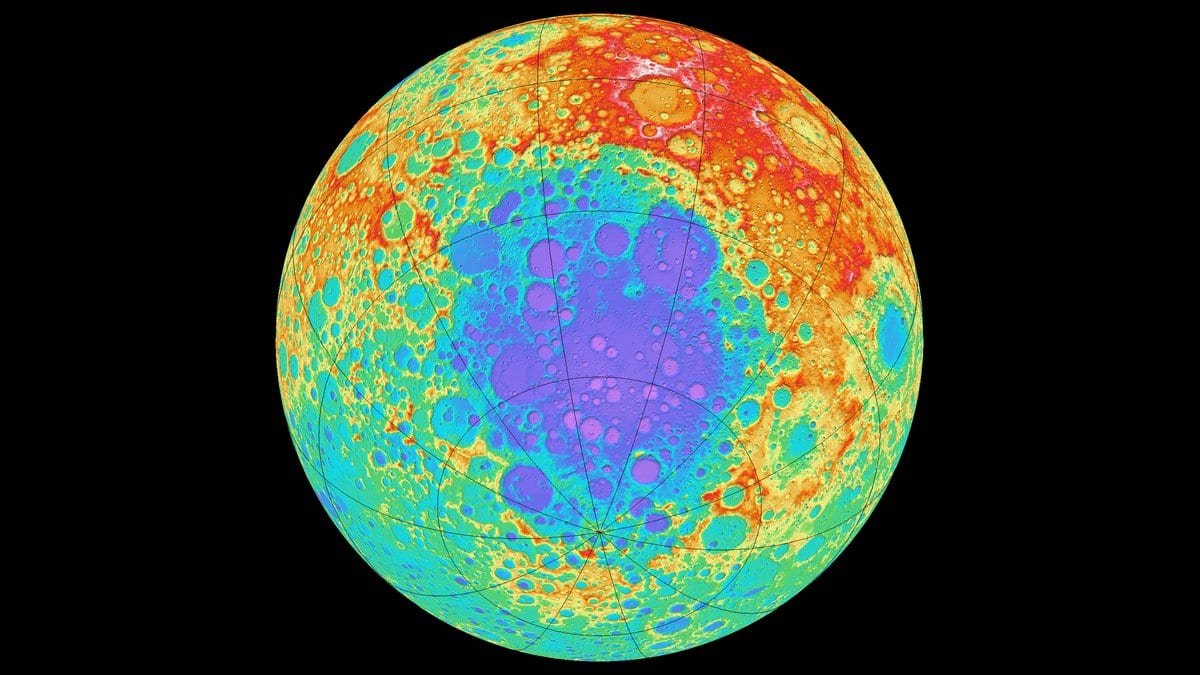
An international team led from the University of Hong Kong has put the impact that formed the Moon's largest basin at about 4.34 billion years ago, dating it from samples China's Chang'e-6 mission returned and from measurements the Chang'e-4 and Chang'e-6 landers made on the surface.
Yuqi Qian of the University of Hong Kong and colleagues describe the South Pole-Aitken basin as a critical region for settling basic questions about the Moon and as one that went unexplored before the Chang'e landings. They say the returned samples and the surface measurements are the first ground truth for how the basin evolved. The work was published Nov. 18, 2026, in Science Advances.
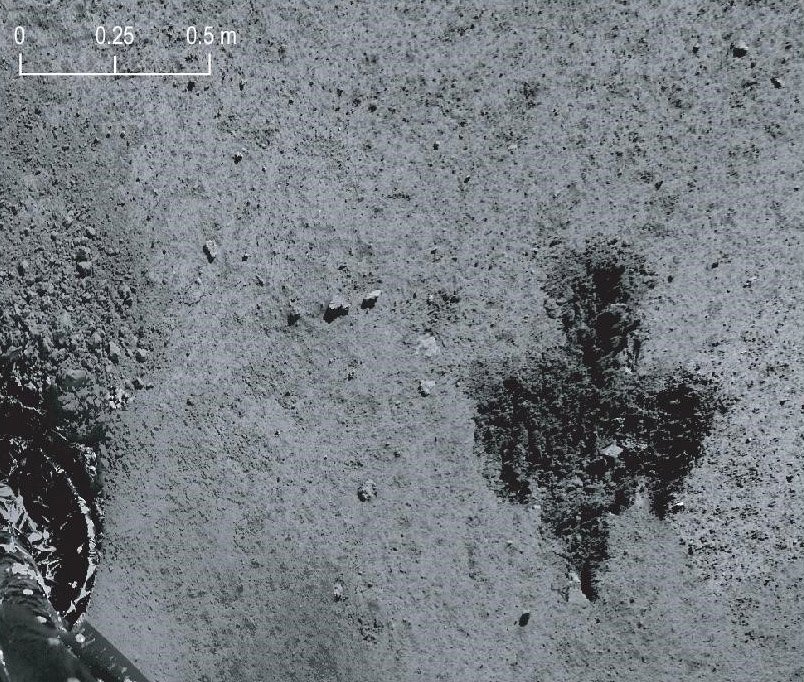
The team reports that the impact generated a thick sheet of molten rock, which separated into norites, rocks moderately rich in magnesium. Those norites are exposed at the basin's central peaks, and Chang'e-4 is studying them in Von Kármán crater — the Finsen impact carried them to that site.
Material far richer in magnesium also turned up inside the basin, likely formed from magnesium-rich magma, including rock exposed at the western peak ring of the Apollo basin. The Apollo impact first dug that material out about 4.2 billion years ago, and the Chaffee S impact later delivered it to the Chang'e-6 landing site.
A series of later events shaped the basin further, among them the Orientale impact at about 3.87 billion years ago.
Sources
- Science AdvancesPeer-reviewed