A Brazilian Policy Slowed Amazon Clearing on Private Land Without Pushing It Next Door
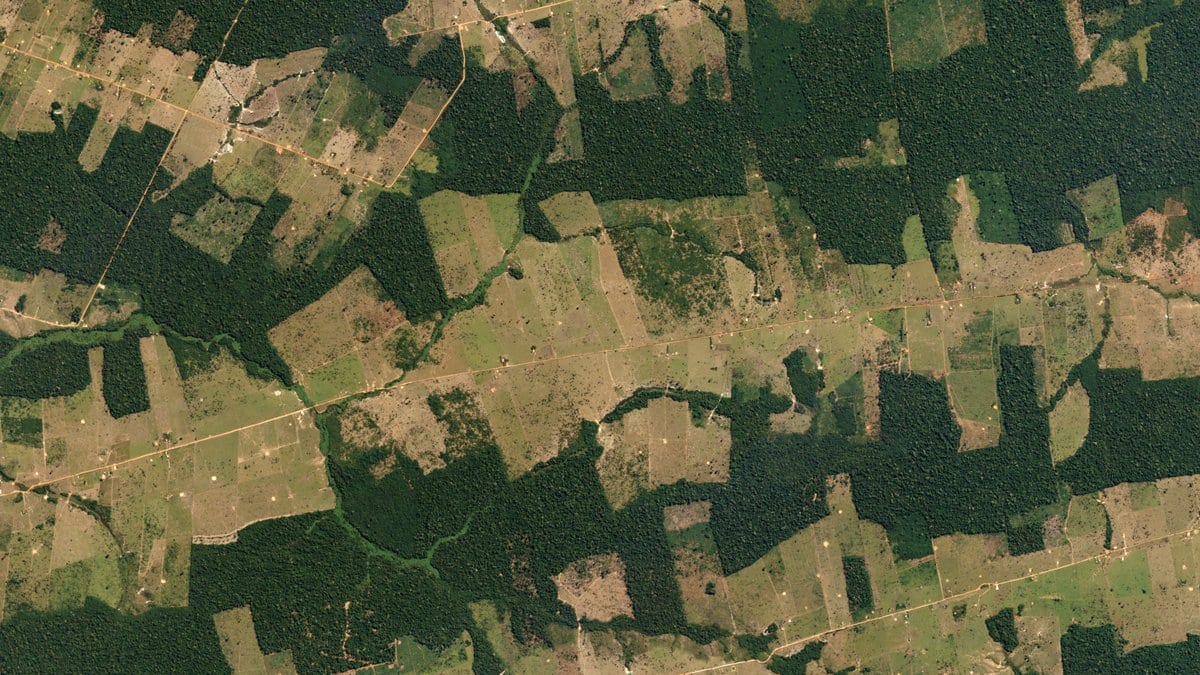
Brazil's Priority List, the federal designation that singles out the Amazon municipalities clearing the most forest, reduced deforestation almost entirely on private land and did not push clearing into neighboring municipalities, a team led by Salisbury University economist Jill L. Caviglia-Harris reports in a study published Nov. 16, 2026, in the Proceedings of the National Academy of Sciences.
According to the paper, the list, launched in 2008, works by naming municipalities with high deforestation, subjecting them to tighter monitoring, enforcement and credit restrictions, and setting conditions for leaving the list that hold each municipality accountable for clearing anywhere inside its borders.
Caviglia-Harris, Katrina Mullan of the University of Montana and three colleagues built a municipality-level data set for the Brazilian Legal Amazon covering 2000 to 2024, pairing the listing decisions with each year's forest loss broken down by who holds the land. They compared clearing in listed municipalities with clearing in unlisted ones, before and after a listing took effect. The reductions they report are large and statistically significant, and they sit on private land: on farms and other private property, and on settlements created under Brazil's agrarian reform.
Inside listed municipalities, the team found no sign that clearing either fell or rose on the other kinds of land it tracked — protected areas, Indigenous territories and public land with no designation. In the municipalities next door, total forest loss declined as well, again with the reductions concentrated on private land.
The paper notes that earlier studies had already found the Priority List lowers deforestation; what was unsettled was where those reductions fall, and whether clearing simply shifts onto another kind of land or across a municipal line.
The authors write that their results are consistent with the list turning national conservation priorities into local changes in land use while limiting displacement, and that they offer lessons for other conservation programs run at the state or municipal level rather than nationally. The National Science Foundation and the National Socio-Environmental Synthesis Center are listed as the study's funders.
Sources
- Proceedings of the National Academy of SciencesPeer-reviewed