Europe and China's Smile Mission Begins Science, Filming the Whole Ring of Northern Lights
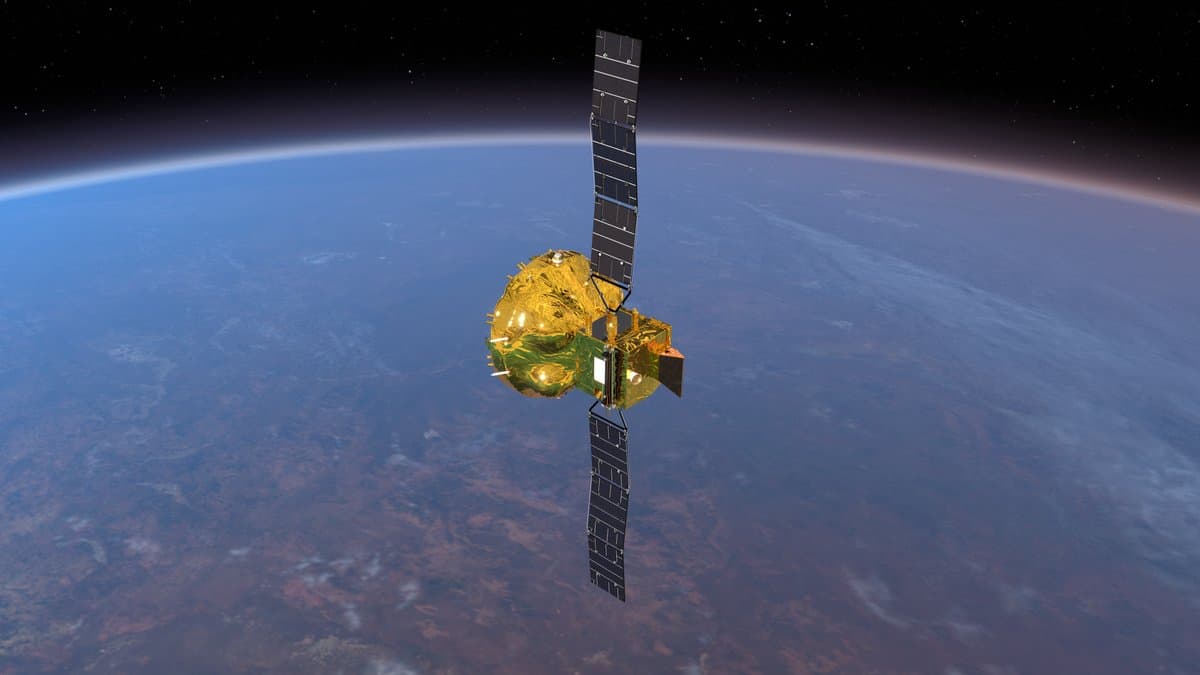
The European Space Agency and the Chinese Academy of Sciences have cleared their joint Smile spacecraft to begin science operations, and ESA has released the first footage from its ultraviolet camera, showing the complete ring of northern lights around the North Pole.
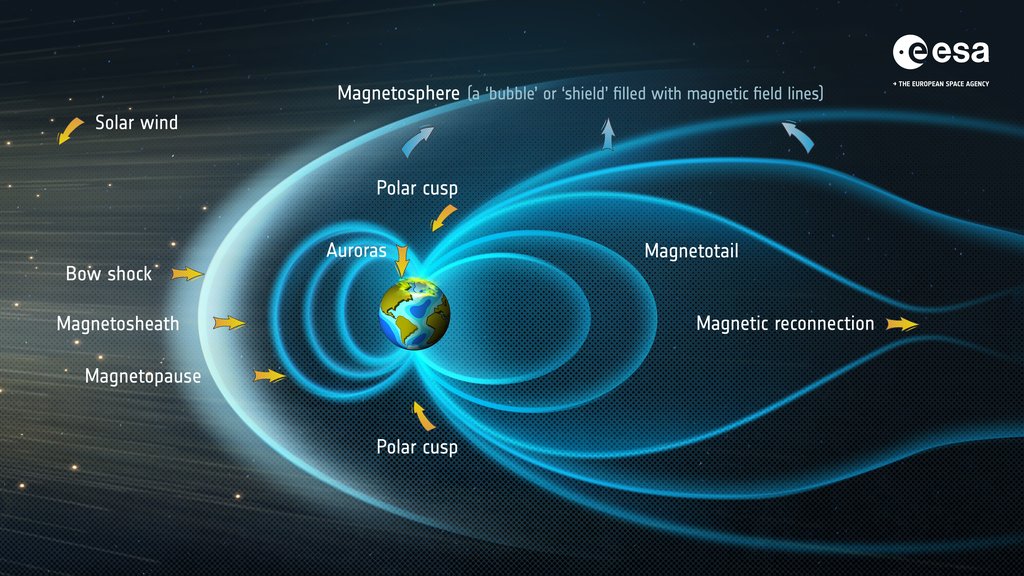
In its Sept. 30 announcement, ESA said Smile's instruments will measure how activity on the Sun interacts with Earth's magnetic field, how that interaction produces the auroras, and how it can disturb electronic equipment on the ground and in orbit.
The mission was declared ready on Sept. 23, at the end of a checkout period that began when the spacecraft launched on May 19.
ESA says the ultraviolet camera is the first since 2008 to capture the whole ring in ultraviolet light, and that it can now record the auroras for 45 hours at a stretch. The footage was recorded on July 24 and shows the ring brightening as a rush of particles from the Sun disturbed Earth's magnetic field.
The soft X-ray imager, Europe's main hardware contribution, has also been switched on and returned test images of an exploded star's remains. The camera picks up too much stray light when turned toward Earth, and settings and onboard software are being changed to reduce it. The agency expects the stray light to fade on its own as Smile points farther from Earth and the polar region darkens toward northern winter, reaching a minimum in mid-October.
The camera would then take its first usable image of the magnetopause, the boundary where the solar wind meets Earth's magnetic field. The other candidate is the northern polar cusp, a gap above the pole through which particles from the Sun funnel toward Earth.
ESA supplies Smile's payload module, the soft X-ray imager and the launcher, and contributes to the ultraviolet imager and to mission operations. The Chinese Academy of Sciences supplies the mission's other instruments and the spacecraft platform, and operates the spacecraft in orbit.