At COP31, Ocean Scientists Look to Ships, Cables and Fishing Gear to Fill Data Gaps
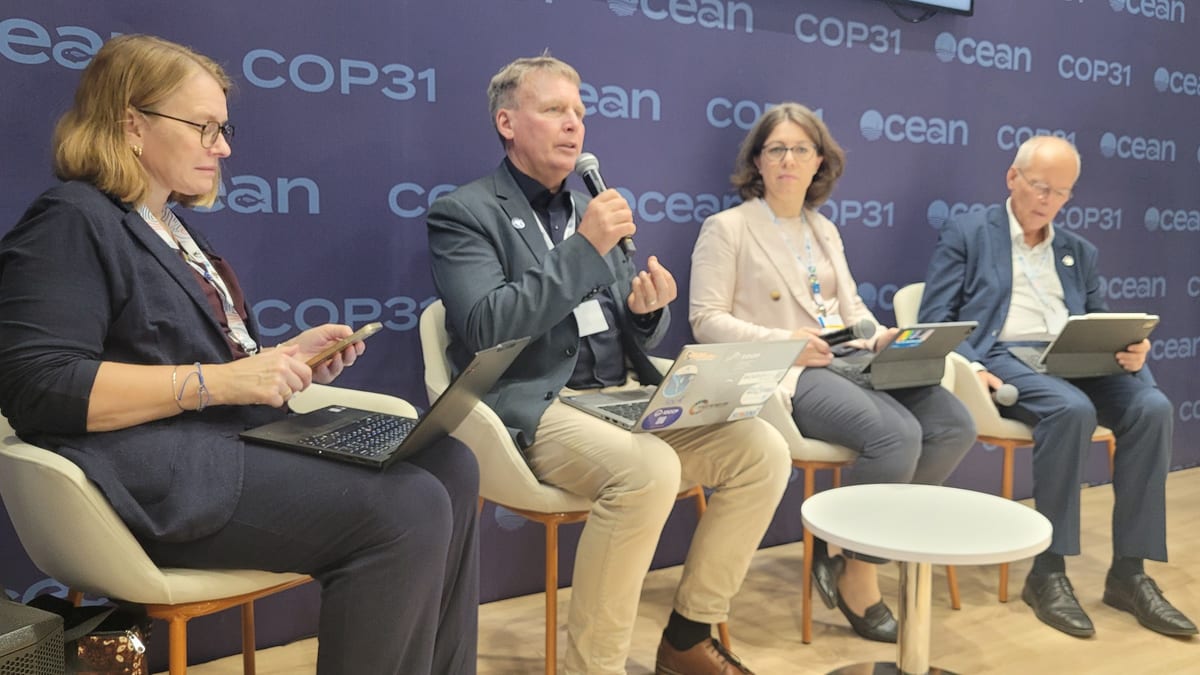
ANTALYA, Türkiye — Measurements of the ocean feed weather forecasts and early warnings, yet some seas are still barely measured, scientists said at a COP31 panel on Nov. 13, 2026.
Katja Matthes, director of the GEOMAR Helmholtz Centre for Ocean Research Kiel, said that "ocean observations enable weather forecasts and early warning systems," and that they serve fisheries, offshore energy and maritime infrastructure. Off West Africa there are very few measurements, she noted. In 2029, she added, a new German research vessel will go there under FUTURO, a GEOMAR-coordinated program with seven West African countries, to measure the seasonal upwelling cycle, when cold, nutrient-rich water rises along the coast.
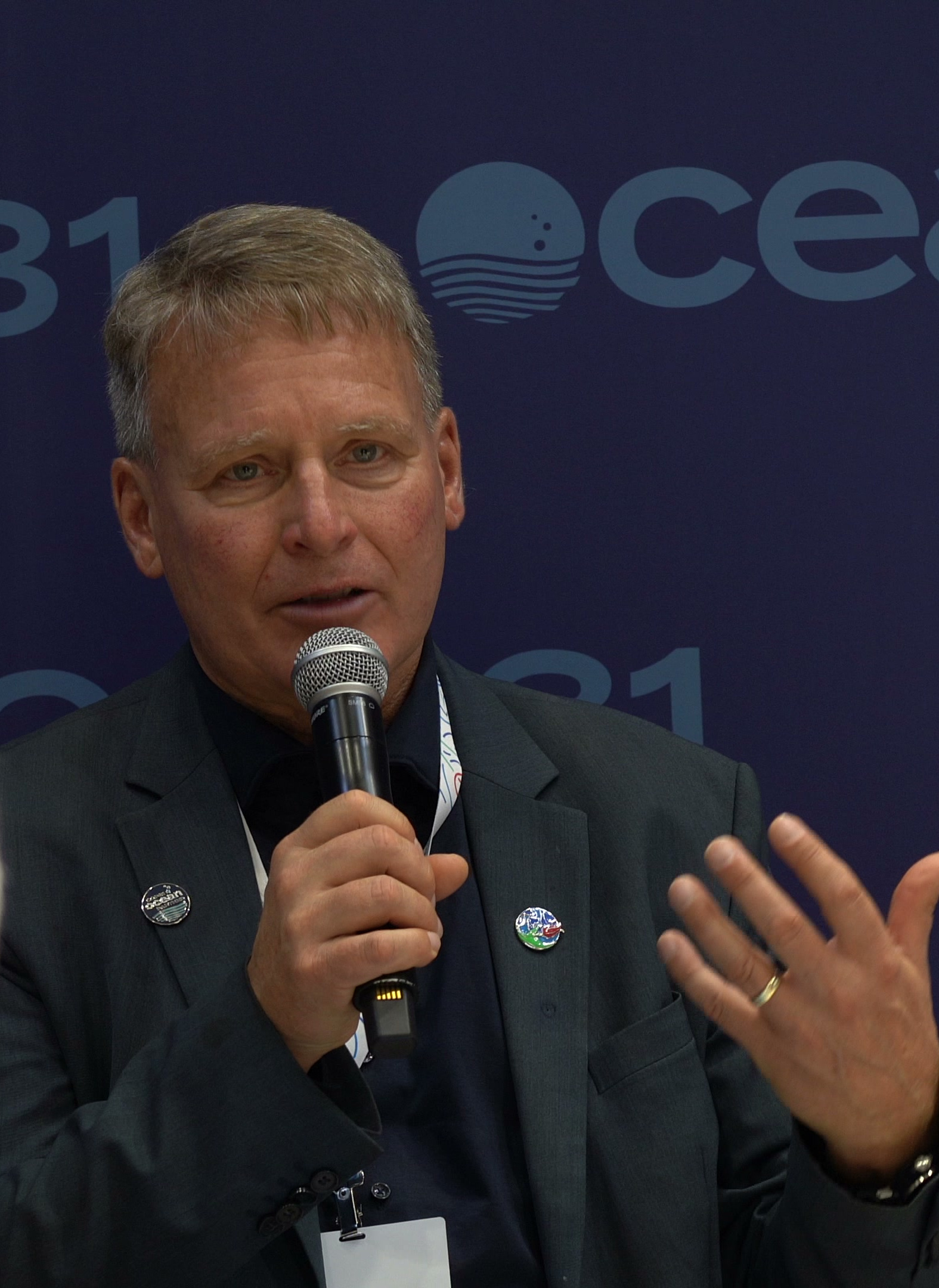
Research ships alone will not close such gaps, in the view of Toste Tanhua, a senior scientist at GEOMAR. The scientific community "will never be able to completely measure and monitor the ocean to the extent that we need," he said, so commercial ships, sailing boats, aquaculture and fisheries have to help. Only 3% of commercial vessels collect measurements for the Global Ocean Observing System (GOOS), according to its director, Joanna Post of UNESCO's Intergovernmental Oceanographic Commission. The 10,000 Ships for the Ocean campaign, launched in 2025 to support GOOS, aims to fit that many vessels with sensors by 2035.
Post also noted that countries must deliver weather observations through the World Meteorological Organization, while ocean observing has no global mandate. She said that "90% of that investment in the Global Ocean Observing System is from G7, 50-odd percent of that is from one country alone," without naming the country. GOOS's announcement of its Status Report 2026 gives no percentage; it says the work remains concentrated among "a relatively small number of major contributors, particularly the G7 countries and Australia." In her view, "even what we have is not secure."
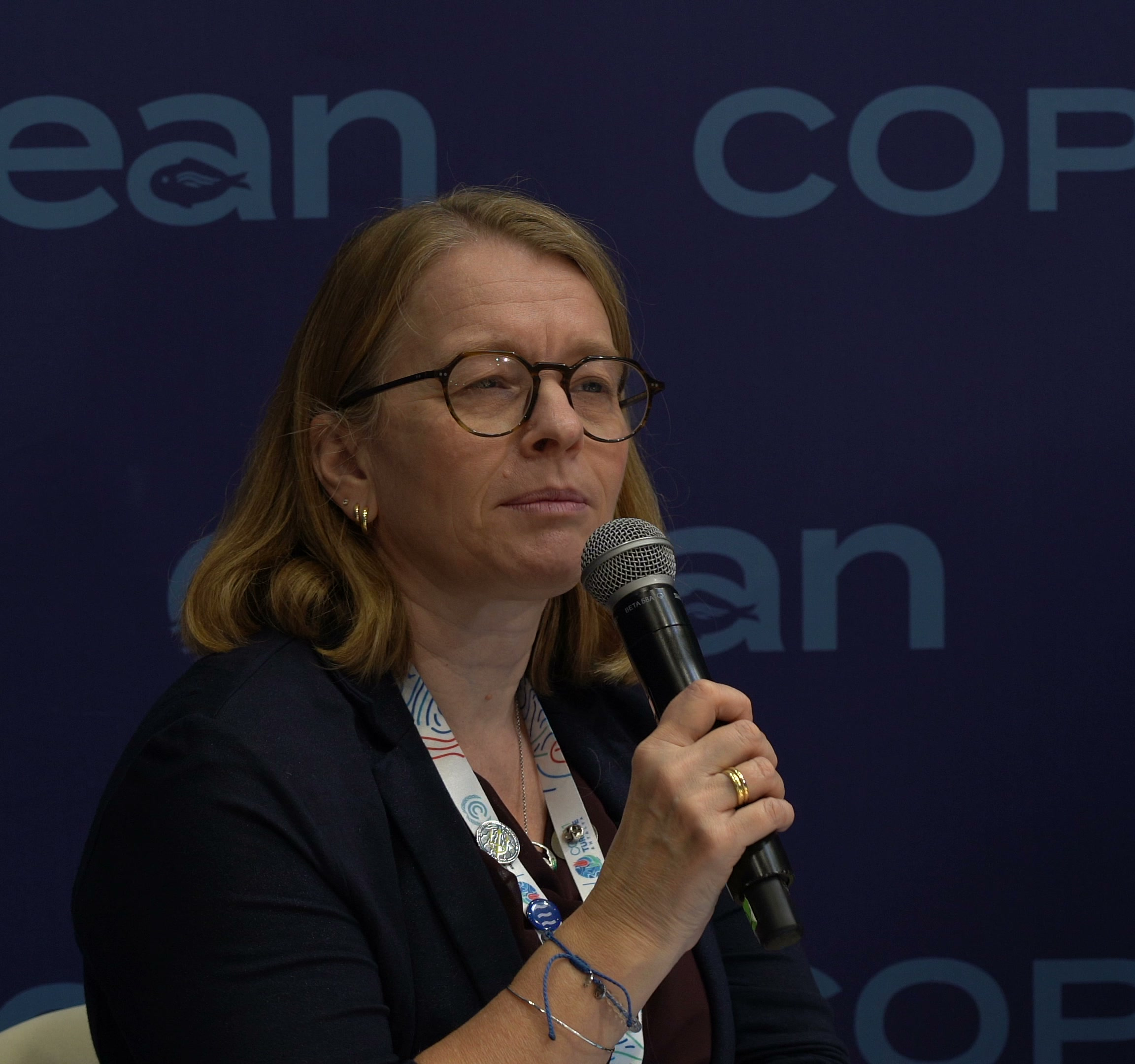
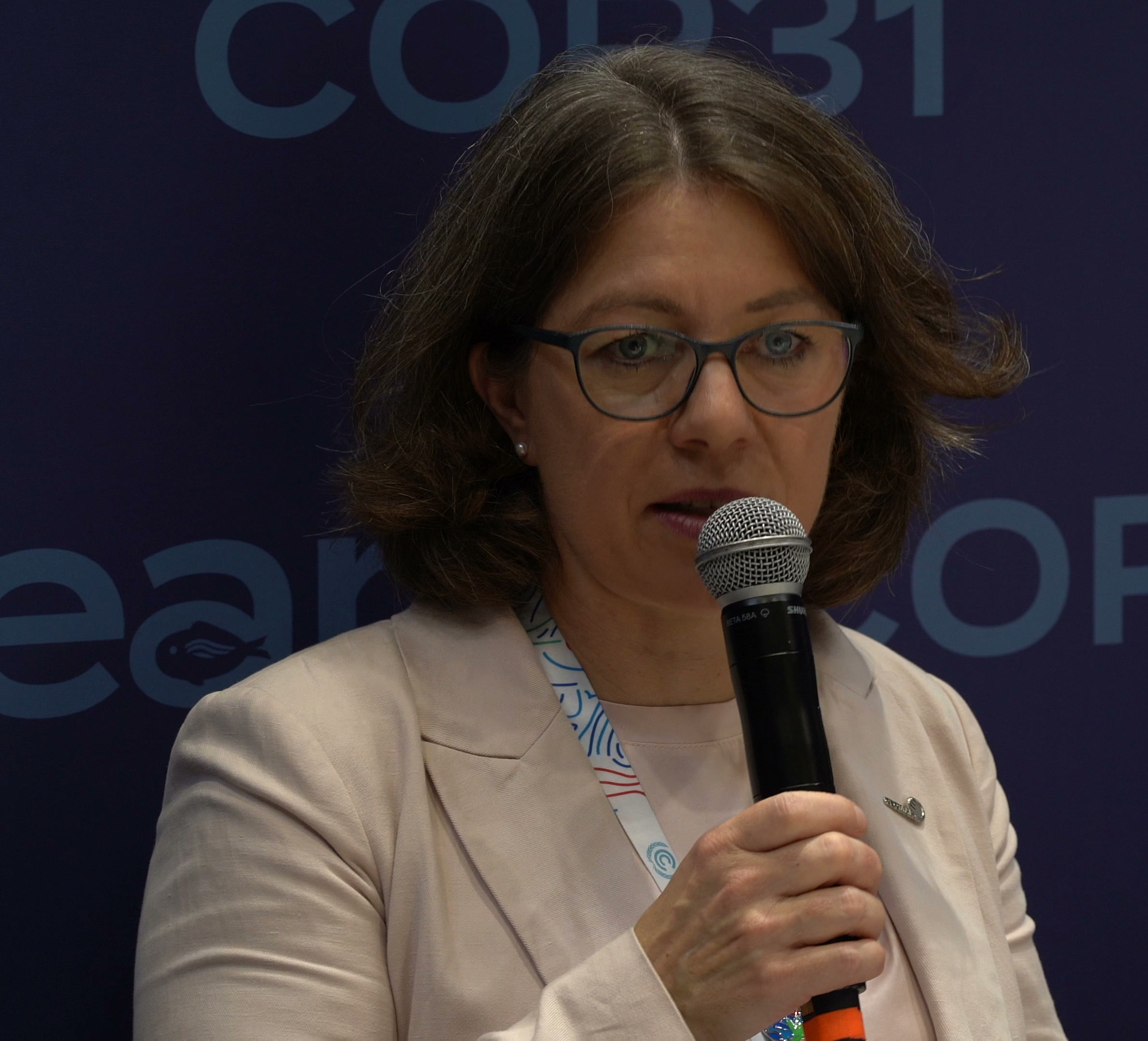
François Houllier, chairman and chief executive of Ifremer, France's ocean research institute, who moderated, called the pledges to OceanEye, a new EU- and Canada-led alliance for GOOS, a strong political signal but not enough money. The EU puts the total at almost 220 million euros.
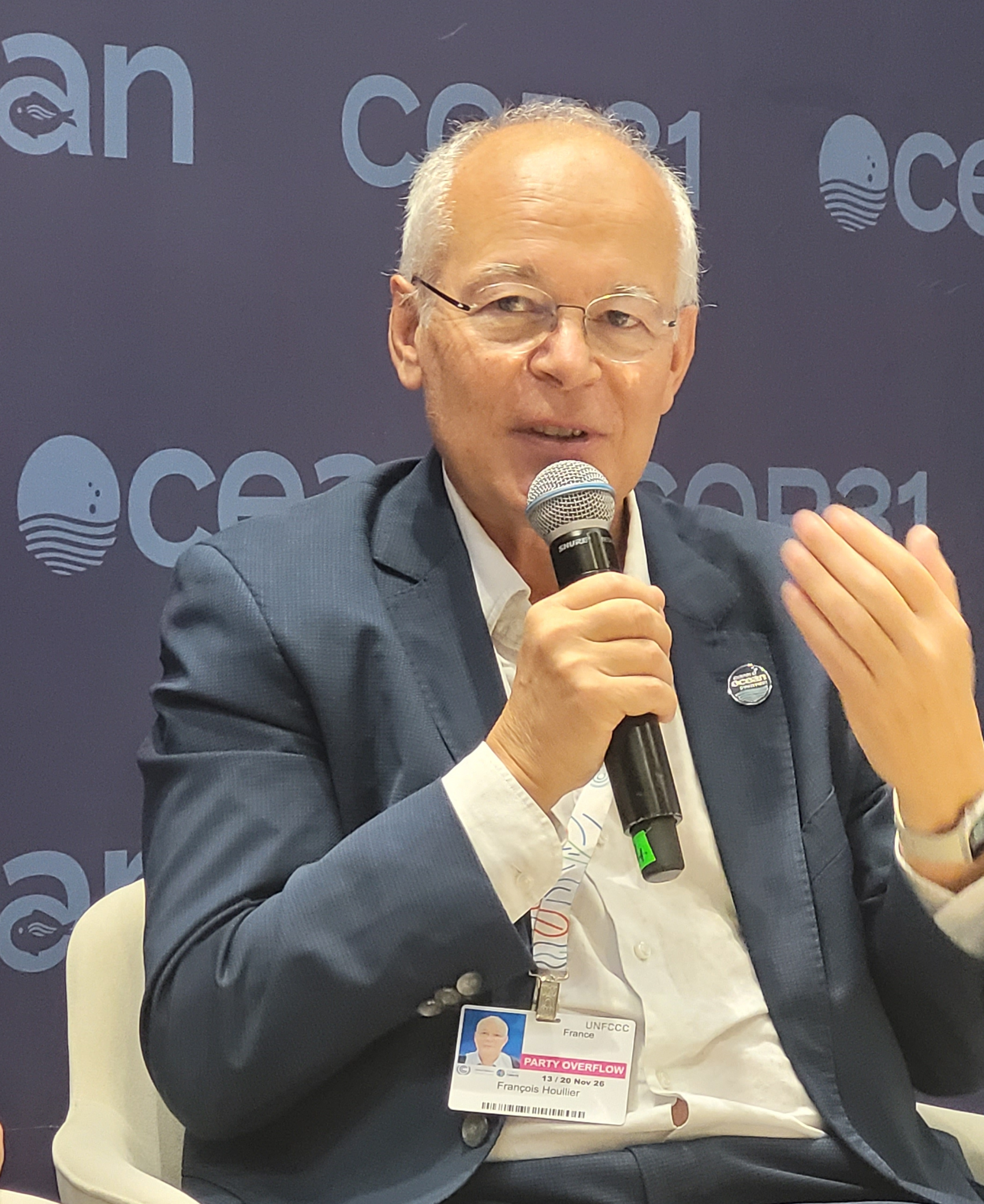
The panel, "A Close Eye on Our Ally," on the value of ocean observation, also heard where the next measurements may come from. Post said GOOS is bringing in sensors built into undersea cables to help with tsunami warnings, still at an early stage, and pointed to fishing crews who attach temperature sensors to gear going down into the water.
Sources
 By Nika Kulpin and Oli Kotyk