NASA's Roman Telescope Lines up Its Instruments Before Its First Surveys
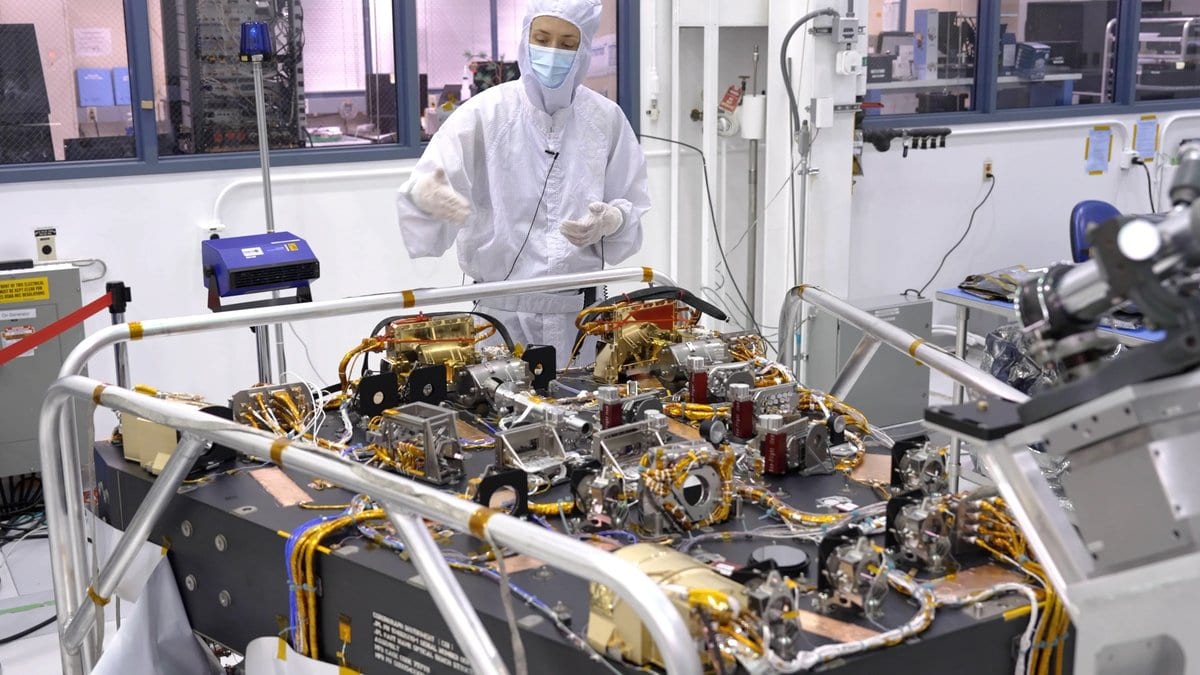
NASA said on Nov. 13, 2026, that its Nancy Grace Roman Space Telescope has brought its instruments into alignment in orbit, a checkout step the observatory had to clear before it can start taking science data.
NASA describes Roman's wide, deep surveys as a way to study dark energy, dark matter and planets around other stars. Dominic Benford, the mission's program scientist at NASA Headquarters, said in a post on the mission blog that Roman has to be "at least ten times more stable than our Hubble or Webb space telescopes" to do that work.
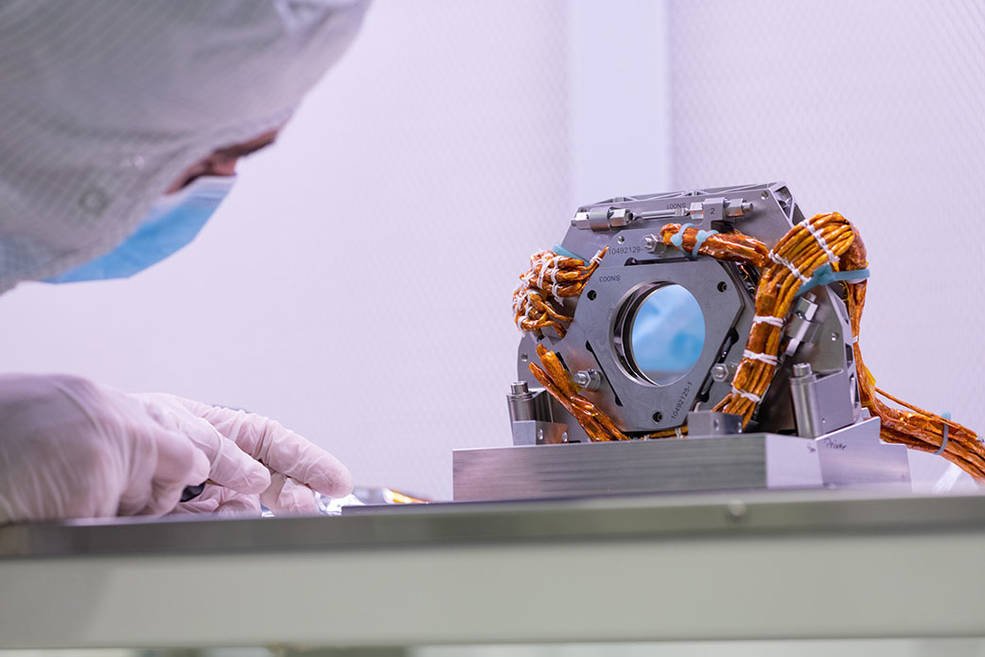
Roman's optics and instruments were lined up on the ground before launch. NASA's post attributes the small shifts since then to launch vibrations, temperature changes and the absence of gravity. Scientists measured the shifts by watching stars and comparing where each landed in Roman's images with where the observatory's internal map put it.
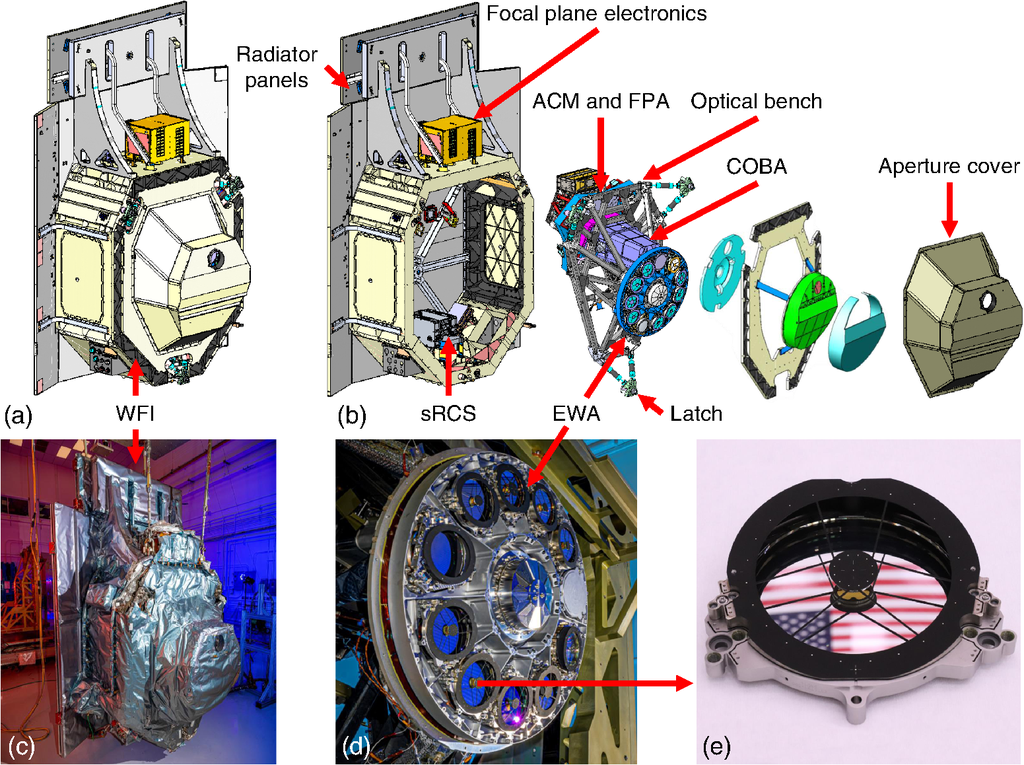
Tyler Desjardins, an astrophysicist at the Space Telescope Science Institute in Baltimore, said the 18 detectors in Roman's main camera, the Wide Field Instrument, have to work together when the telescope locks onto guide stars, and that guiding suffers if one star's position is off.
Tony Sohn, an astronomer working on Roman at the same institute, said: "Roman is now internally aligned to within a tiny fraction of a hair's breadth of perfection."
Roman's other instrument, a coronagraph, blocks a star's glare so that planets around it can be imaged. According to NASA, the team has adjusted the telescope's secondary mirror and the masks inside that instrument, and will next exercise more than 3,000 small moving parts behind mirrors that can change shape to redirect starlight. Brian Kern, an optical engineer at NASA's Jet Propulsion Laboratory, said that second stage of starlight control has been demonstrated in a laboratory but not yet in space.
NASA reported on Oct. 22, 2026, that Roman had entered its final commissioning phase. The Wide Field Instrument doubles as the observatory's guider, so while the coronagraph stares at a single star, the camera will track stars in a neighboring patch of sky.