At COP31, Forest Communities Describe Fire and Water Deals and Ask for Climate Money Sent Directly
ANTALYA, Türkiye — A forest fire damaged primary forest and crops and burned homes in an Asháninka community in Peru's Amazon, according to one of its representatives at COP31, where forest communities argued on Nov. 13, 2026, that climate money should reach them directly.
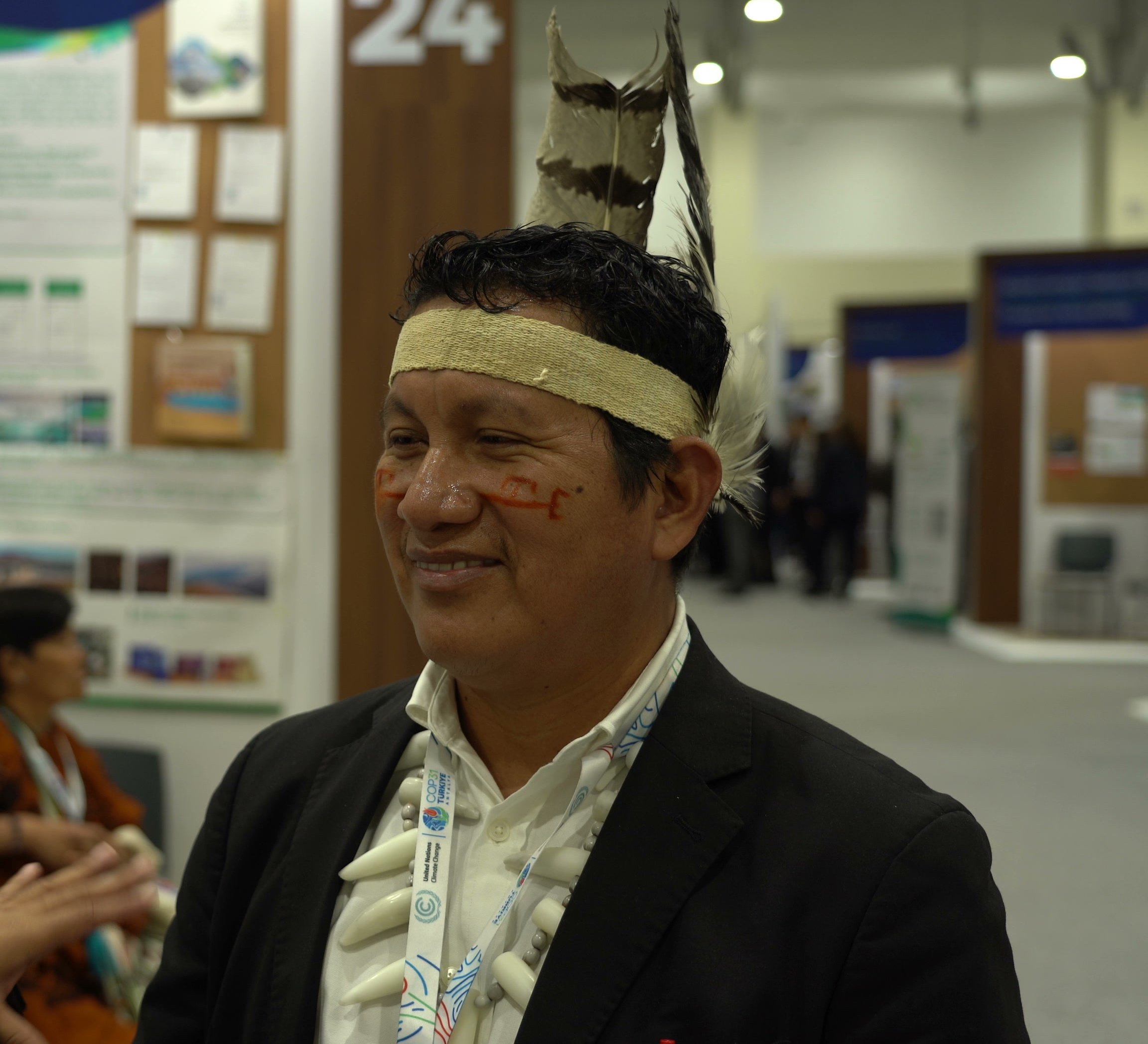
César Ramos Pérez, who represents the Asháninka Communal Reserve in Junín, Peru, said in an interview that the fire, in the reserve and the Cutivireni native community, damaged 1,000 hectares of primary forest and 50 hectares of cacao and food crops, burned homes and kept children from school. The Peruvian news site Actualidad Ambiental reported 350 hectares burned by Oct. 9, 2026, with the fire still spreading.
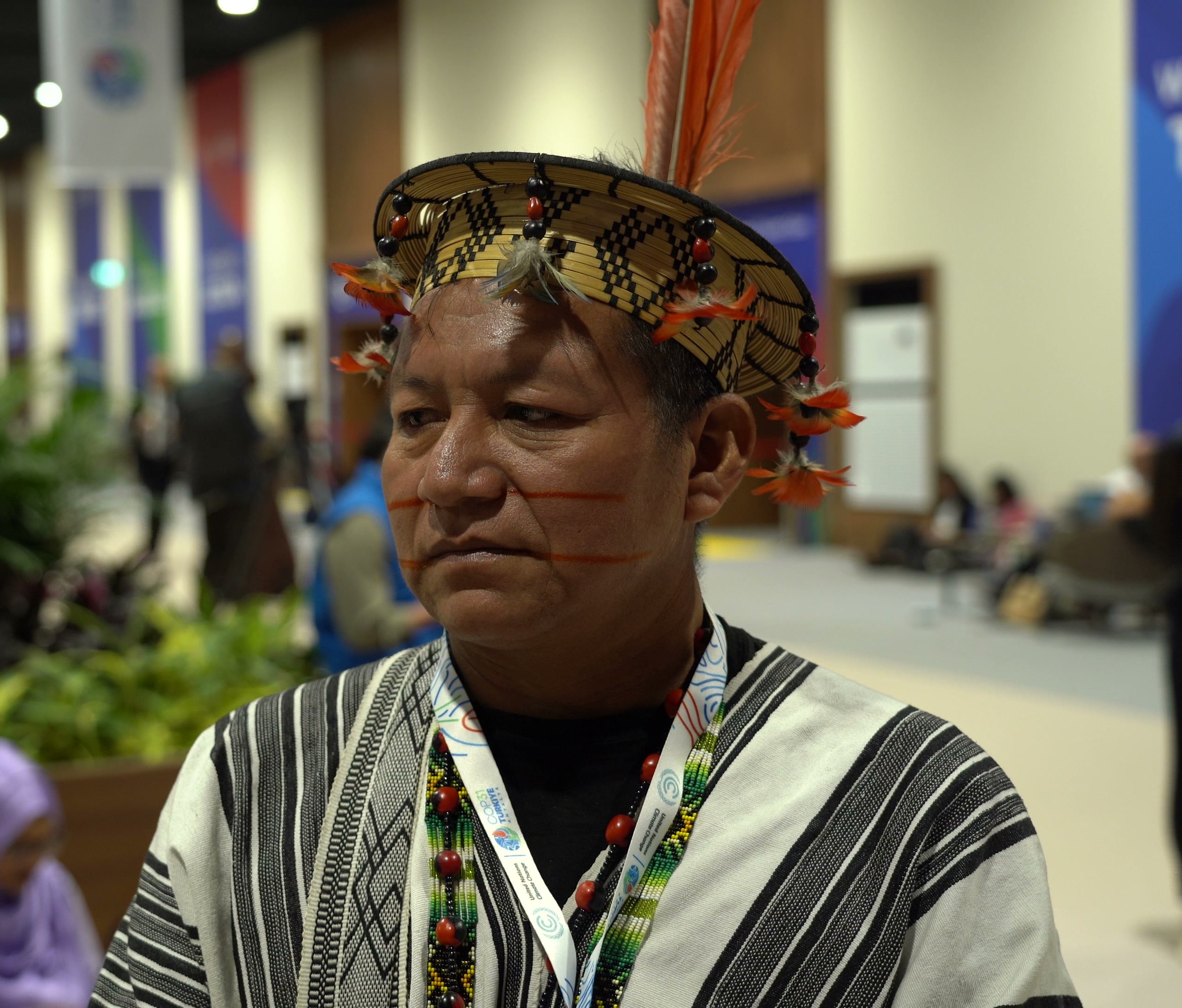
Community vigilance committees monitor Peru's communal lands and work to prevent fires, Ramos explained. His message to the world: "Conserving is life."
Other Amazon leaders described similar losses in interviews on Nov. 12, 2026. "Our forests are drying up; the main rivers of the Bolivian Amazon are losing their flow," said Lino Illimuri, president of the Confederation of Indigenous Peoples of Bolivia (CIDOB). Fany Kuiru Castro, general coordinator of COICA, the Amazon Basin's umbrella group of Indigenous organizations, noted that the calendar her communities use to manage their natural resources "is no longer the same ecological calendar; it is in great disarray."
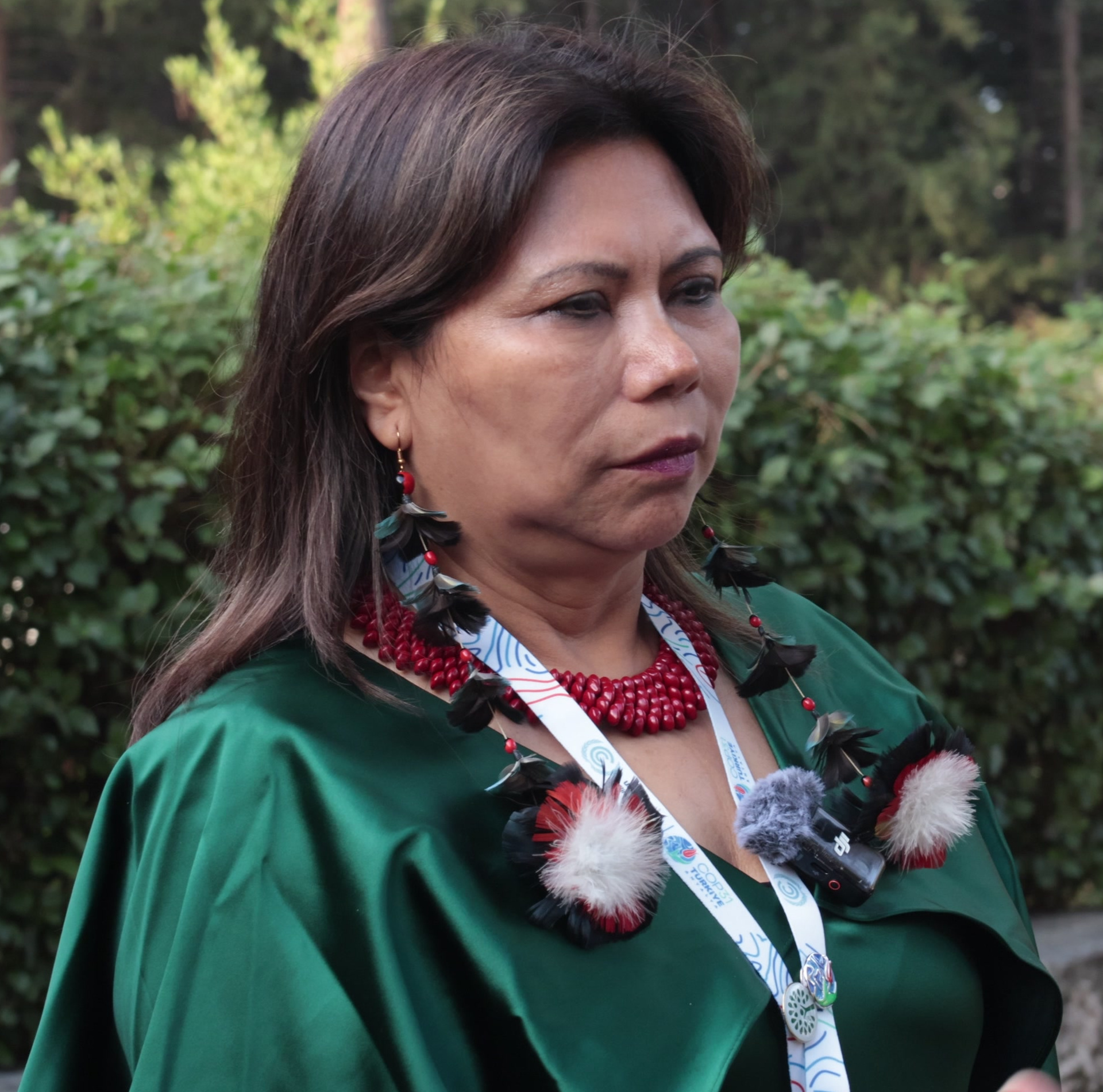
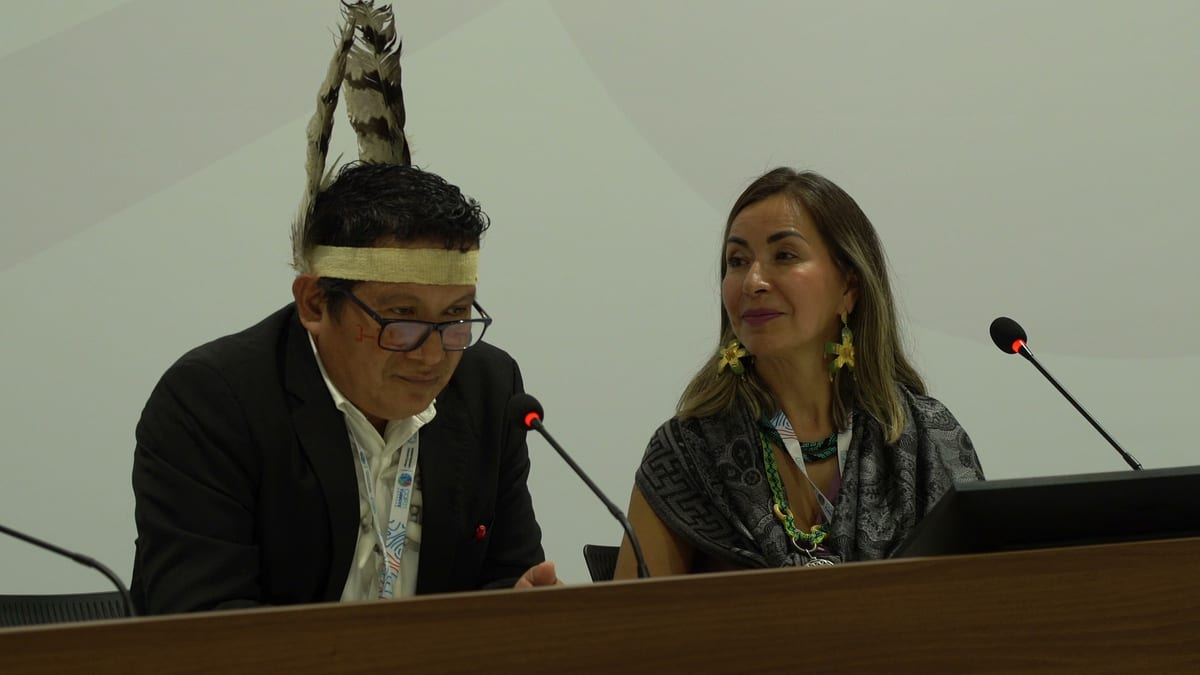
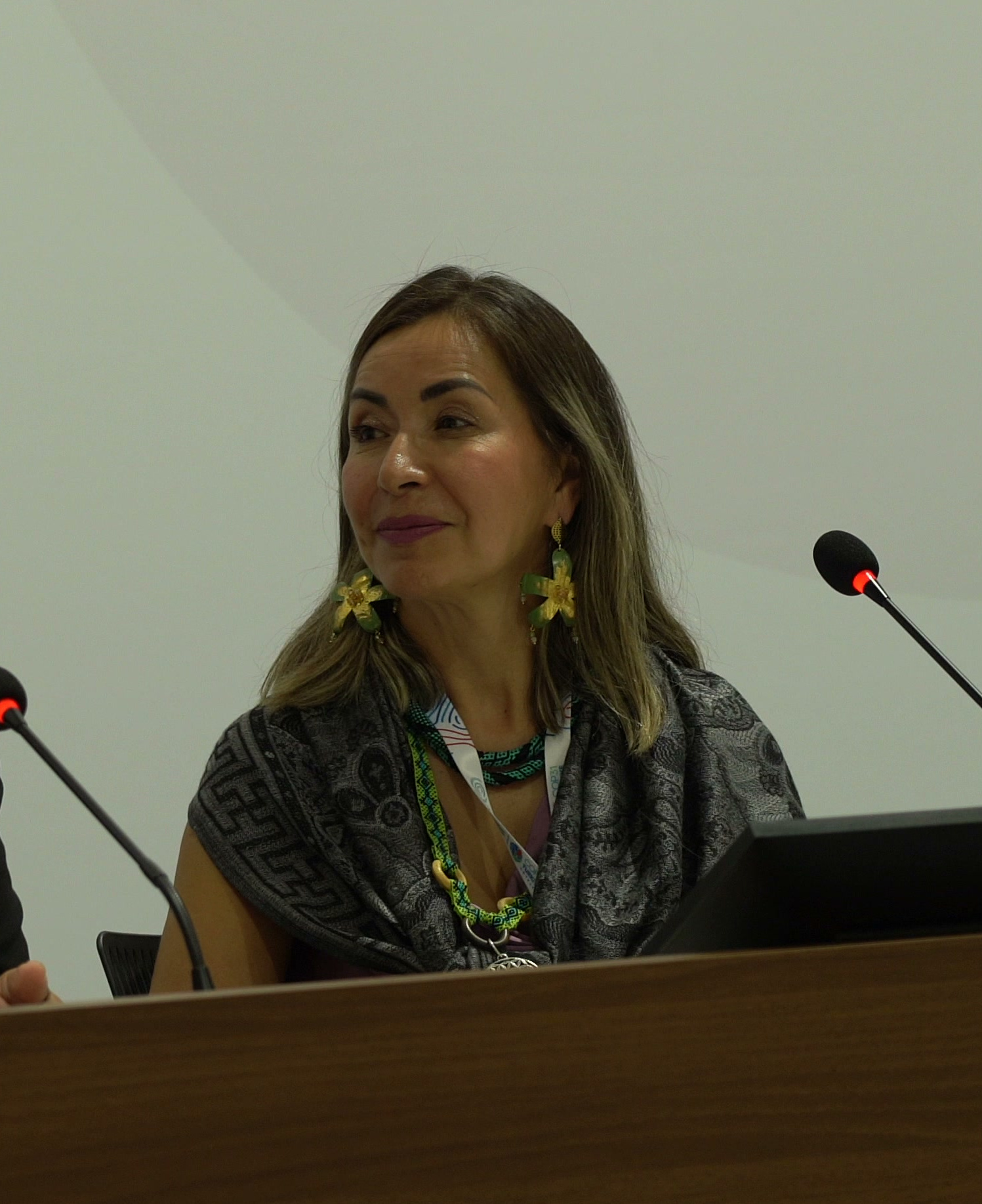
At the side event, "Climate Intervention Designed by Communities," María Teresa Vargas, executive director of Fundación Natura Bolivia, one of the organizers, described reciprocal water agreements, in which water users downstream pay farmers upstream to keep forest standing. In one example she gave, the Asunta community set aside 1,200 of its 2,000 hectares so that 56 families could have water at home.
Richard Smith, executive director of the PCI Institute in Brazil's Mato Grosso state, spoke about a program funded by Germany and Britain that pays the state for reducing deforestation and, in his account, supports Indigenous and traditional communities. Its first phase held wide consultations, he recalled, but "it was more about consultation than decision-making."
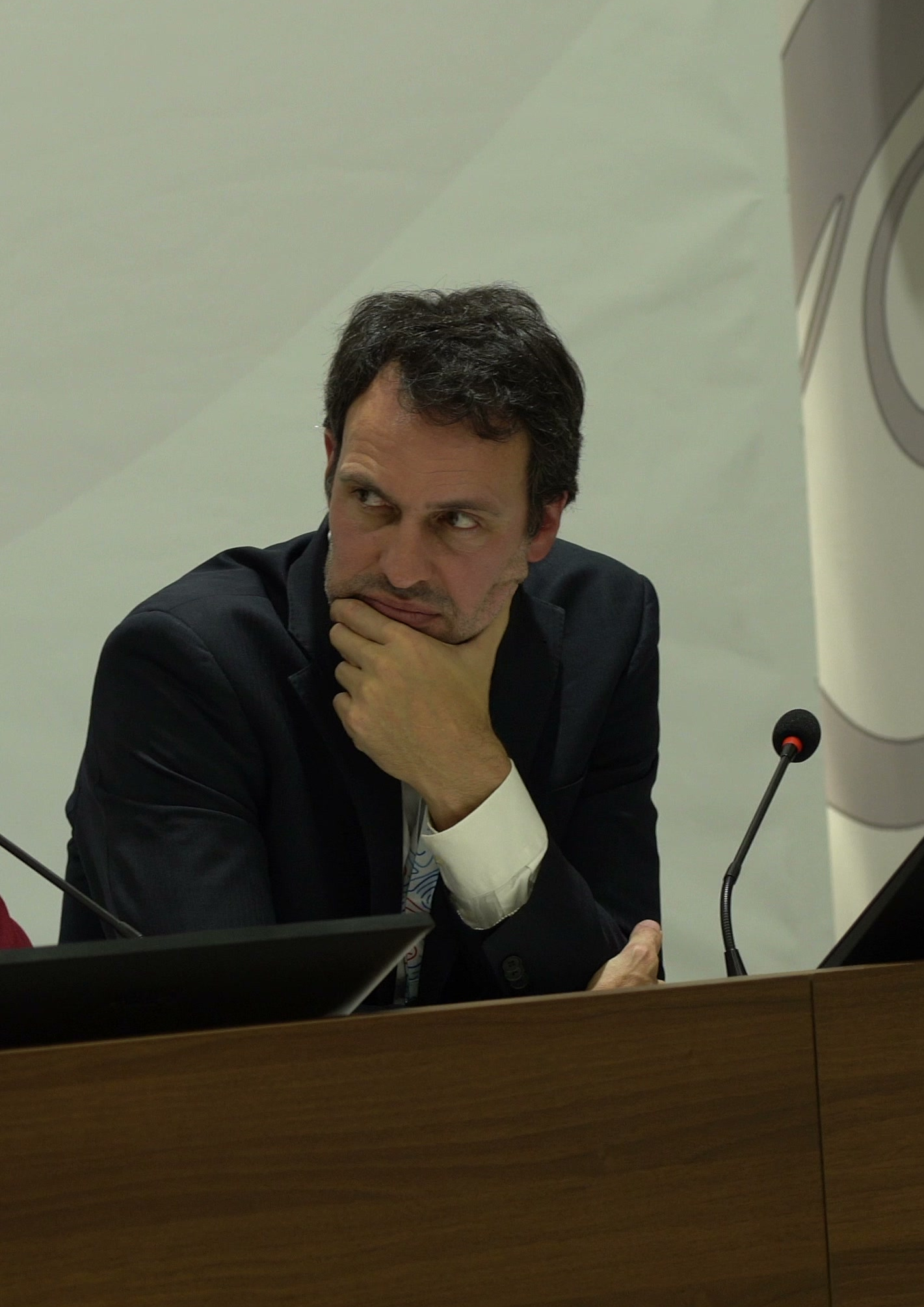
M. Zakir Hossain Khan, co-founder and managing director of Change Initiative, a think tank in Bangladesh, said about 10% of the $1.7 billion that donors pledged at COP26 for Indigenous and community land rights reached those communities directly. The donors' Forest Tenure Funders Group put the direct share of 2025 funding at 7.2% in its final report, Mongabay reported. Khan's slide proposed a "One Direct-Access Standard": one definition of "direct," one shared due-diligence check and one public scoreboard.
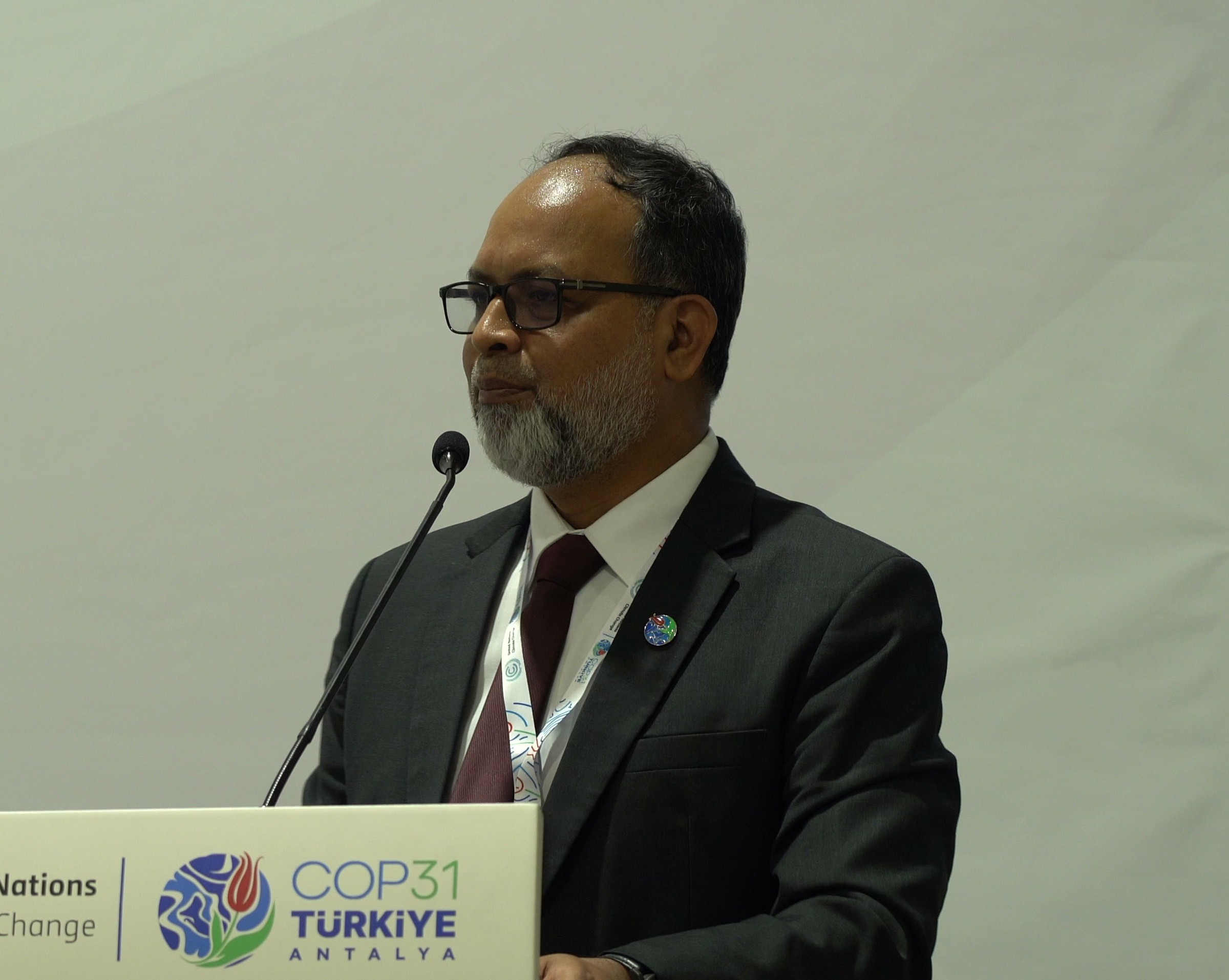
Fermín Chimatani Tayori, president of ANECAP, the association of Indigenous groups co-managing Peru's communal reserves, said the Indigenous peoples of the Peruvian Amazon had launched their own direct-access finance mechanism two days earlier. Indigenous peoples already know how to conserve their forests and do not lack the capacity, he told the room: "What is missing is the political will to recognize that decision-making power and guarantee direct access to resources to keep protecting the forests."
In an interview the same day, Chimatani asked that Indigenous peoples be recognized as "not beneficiaries of the climate project, but part of the solution." He also urged that, after the conference, "the commitments not stay on paper."
Vargas had ended her talk with Leopardus tilcayo, a wild cat from Bolivia's Yungas cloud forests described as a new species in Current Biology in September 2026. Such places stay intact, in her view, because the people there care for the forest. Closing the side event on community-designed climate action, moderator Nigel Asquith pointed back to the cat, which researchers describe as the first new living cat species named in more than a century. "That's why we should keep conserving our forests," he added.
Sources
 By Nika Kulpin and Oli Kotyk