Roman's Starlight Blocker Takes Its First Look at the Sky
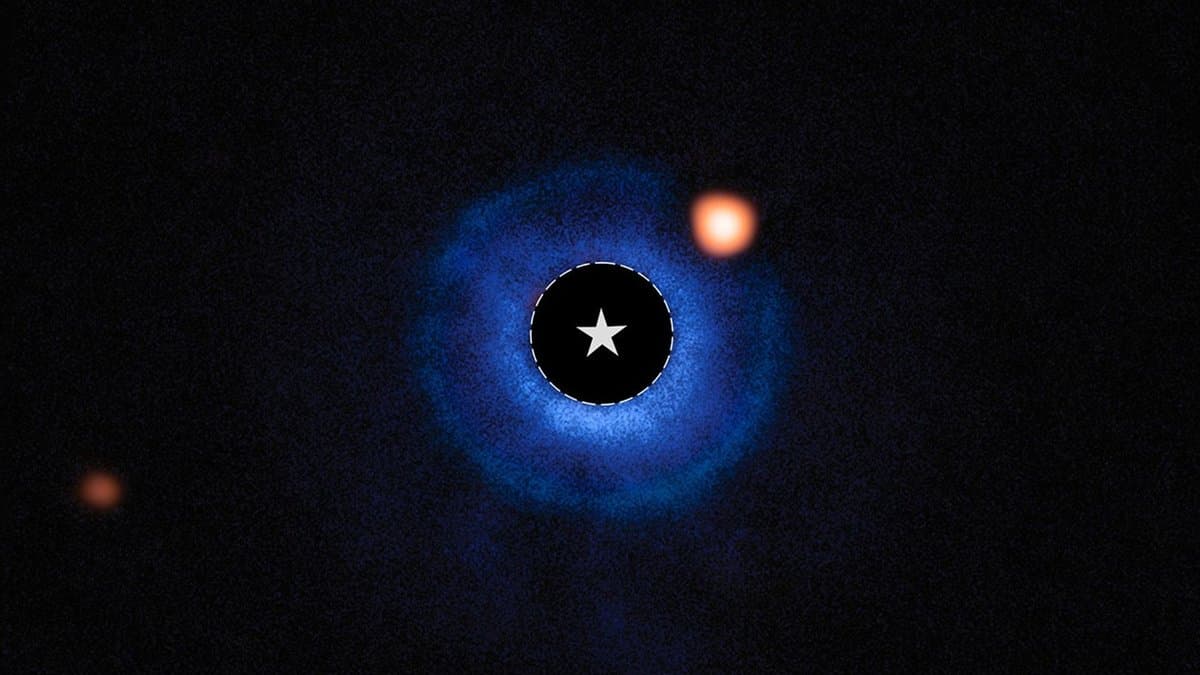
NASA's Nancy Grace Roman Space Telescope made the first on-sky observation with its Coronagraph Instrument on Sept. 22, and the observatory's fine-guidance system passed stability tests the week before, the agency said on Sept. 30.
The coronagraph is built to block a star's glare so that planets and dusty disks around nearby stars can be seen directly. Holding the telescope still is what makes such images possible. Roman carries no separate guider instrument, so the team assigned a small part of each of the 18 detectors in its main camera, the Wide Field Instrument, to track guide stars whose positions are already known.
Begoña Vila, Roman's guiding instrument systems lead at NASA's Goddard Space Flight Center, said in the mission's blog post that the tests confirmed the observatory can stay steady to better than 1/100,000 of a degree: half an hour at a time for Wide Field Instrument observations, and eight hours at a time for the longer coronagraph ones. NASA compares that steadiness to holding a laser beam on a dime from about 150 miles (240 kilometers) away.
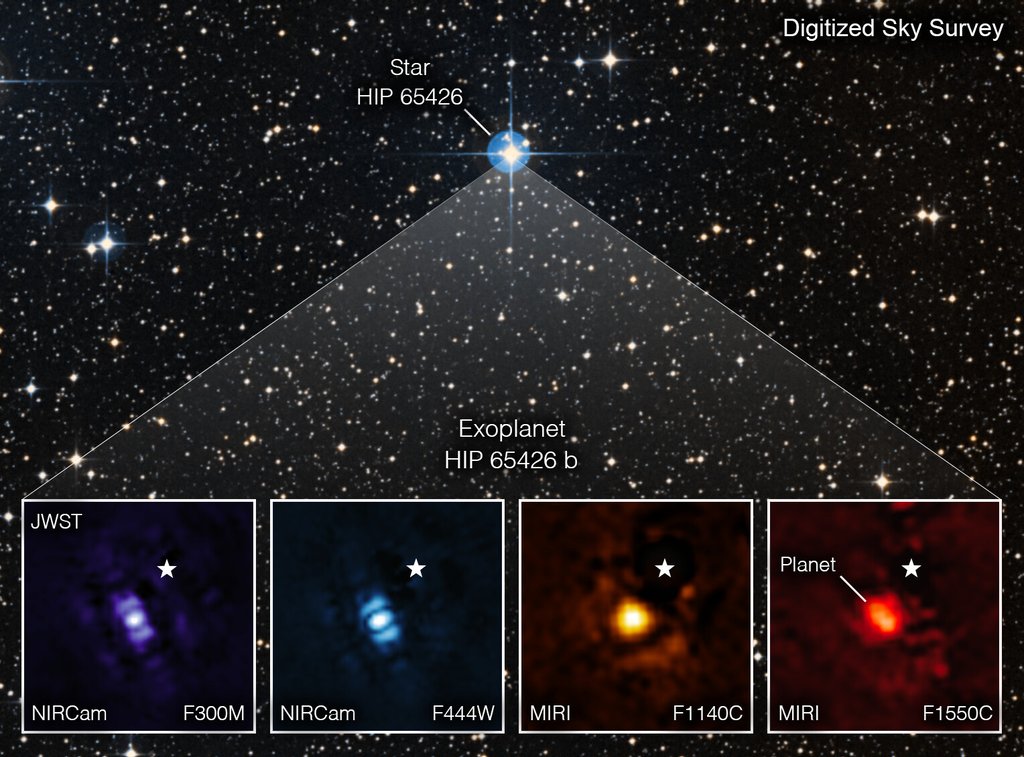
The coronagraph's first target was a faint star in the Large Magellanic Cloud, a small galaxy near our own, and the picture is noisy on purpose: NASA says the detectors are being held warmer than their eventual operating temperature so that contamination does not settle on them.
"This observation confirms that the instrument can produce a focused image," said Vanessa Bailey, a Roman Coronagraph Instrument scientist at NASA's Jet Propulsion Laboratory. "It's a very limited test that kicks off a methodical process of increasingly complex tasks that help us prepare for the instrument's future observations." The second observation, on Sept. 27, was made with the detectors cooled; it confirmed the instrument's pointing and showed many stars in a single image of a new part of the same galaxy.
Roman will also guide on spectra, the detailed wavelength patterns it already records, instead of on a star's point-like appearance. NASA says that kind of guiding has not been attempted before, and that validating it comes next.